
Anyone can publish a blog post. That is not the hard part. The hard part is writing one that ranks on Google, gets read past the first paragraph, and makes someone trust you enough to do business with you.
Most company blogs are ghost towns. A few posts from 2021, some generic advice nobody asked for, and a last-updated date that screams "we gave up." That is not blogging. That is wasting a perfectly good content channel.
Professional blogging is a business function. It drives organic traffic, builds authority, and creates a library of content that works for you 24/7. Here is how to do it right.
Pick Topics That People Are Searching For
This is where most blogs fail before they even start. Someone at the company picks a topic that sounds interesting to them, writes 500 words, and publishes it. Nobody searches for it. Zero traffic.
Professional bloggers start with keyword research. Not because they are obsessed with SEO, but because there is no point writing something that nobody is looking for.
Use tools like Google Search Console (free), Ahrefs, or Ubersuggest to find out what your target audience actually types into Google. Look for topics with reasonable search volume and competition you can realistically beat.
Then check the existing results. If the top 10 results are massive publications with deep, comprehensive guides, you need a different angle or a more specific keyword. If the results are thin, outdated, or off-topic, there is your opportunity.
For a detailed walkthrough, check out our guide on writing SEO-optimized blog posts.
Write for One Specific Person
Every strong blog post has a single reader in mind. Not a "target demographic." A person. Someone with a specific problem, a specific level of knowledge, and a specific reason they are reading your post.
If you are a web development company writing about e-commerce, your reader might be a small business owner who has been selling on Instagram and wants to build a proper online store. That person does not need technical jargon about API endpoints. They need to understand what their options are and what questions to ask.
When you write for one person, the post becomes focused. The language is natural. The examples are relevant. Everyone who is similar to that person will feel like you are talking directly to them.
Structure Is Not Optional
A blog post without structure is a wall of text. Nobody reads walls of text. Here is a format that works:
A hook in the first two sentences. State the problem. Make the reader feel seen. Show them you understand their situation.
An overview of what the post covers. Not a table of contents, just a sentence or two that tells the reader what they will get if they keep reading.
H2 sections for major points. Each section should be able to stand on its own. Someone who scans straight to section three should still get value.
Short paragraphs. Two to three sentences each. Long paragraphs kill readability, especially on mobile. Your readers are not sitting at a desk with a cup of tea. They are on their phone in a waiting room. Respect that.
A strong ending. Not a summary. A next step. Something actionable. Or a link to a related post that keeps them on your site.
Make SEO Work Without Making It Weird
Good SEO and good writing are not opposites. They overlap more than people think.
Put your primary keyword in the title, in the first 100 words, and in one or two subheadings. Use related terms naturally throughout the post. That is 80% of on-page SEO for blog content.
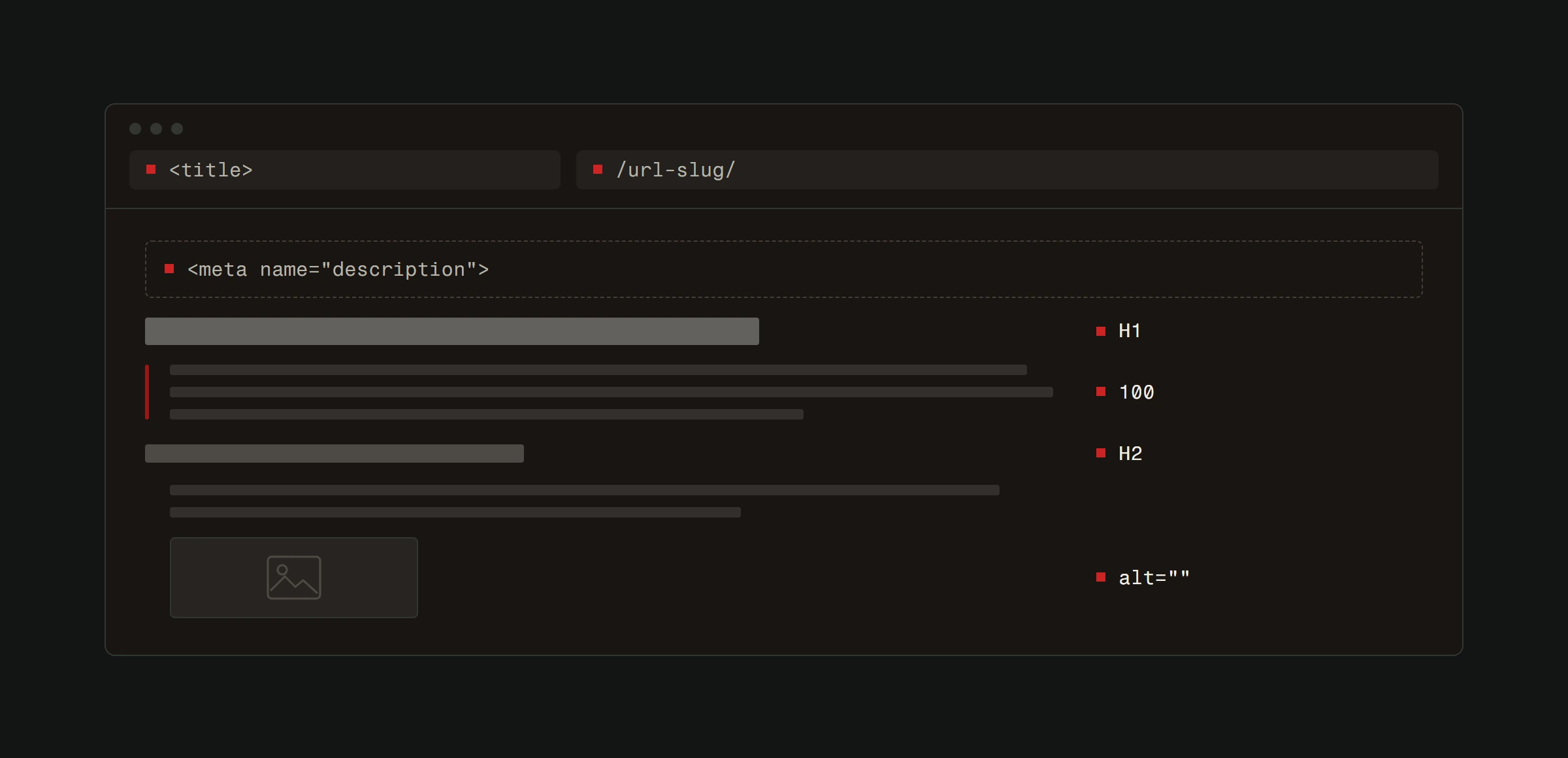
Write a meta title that makes people want to click. Write a meta description that previews the value. Make sure your URL is clean and includes the keyword.
Then focus on writing something genuinely useful. Google ranks content that answers the searcher's question better than the alternatives. That is the whole game. Write the best answer on the internet and the algorithm tends to notice.
Understanding what SEO optimization actually means will make all of this easier.
Images and Media Pull Their Weight
A blog post with zero images feels incomplete. But images need to earn their spot.
Use images that add information. Screenshots, diagrams, charts, examples. Skip the generic stock photos of people smiling at laptops.
Optimize every image. Compress files. Use modern formats like WebP. Add descriptive alt text. An image-heavy post with no optimization will tank your page speed, and Google will notice.
Consider embedded content. A short video explainer, an interactive tool, or an embedded code demo can dramatically increase time on page. But only if it is genuinely useful, not just flashy.
Consistency Beats Intensity
Publishing ten posts in one week and then nothing for three months is worse than publishing one post every two weeks for a year.
Google likes fresh, regular content. Readers do too. If someone finds your blog and sees you post consistently, they are more likely to come back. If the last post is from eight months ago, they assume the blog is dead.
Set a realistic schedule. For most businesses, two to four posts per month is a sustainable pace that moves the needle. If that feels like a lot, remember that blogging is one of the most important things you can do for your website. It is worth the investment.
Edit Ruthlessly
The first draft is never the final draft. Professional bloggers cut 20-30% of what they write because they know that tighter is always better.
Remove filler words. Kill sentences that do not add value. Cut paragraphs that repeat what you already said. Every word should justify its existence.
Read it out loud. If you stumble over a sentence, rewrite it. If a section feels slow, it is too long. If the post could start at paragraph three, delete paragraphs one and two.
The Goal Is Not Just Traffic
Traffic is great. But the real purpose of a business blog is to build trust with people who might become customers.
Every post is a chance to demonstrate that you know your stuff. That you understand the reader's problems. That you can help. Over time, this compounds. Someone reads three or four of your posts, and when they need the service you offer, you are already at the top of their list.
That is professional blogging. Not a marketing checkbox. A business asset that grows in value over time.
Want your blog to actually drive results? See how our SEO services turn content into traffic that grows your business.