A lot of small business owners think branding means getting a nice logo and picking some brand colors. Then they wonder why nobody remembers them.
Branding is not decoration. It is the entire experience someone has with your business. From the first time they see your website to the way you answer emails. Every touchpoint either builds trust or erodes it. And for most businesses, the website is where that first impression happens.
What branding actually means
Your brand is not your logo. Your logo is part of your brand. Big difference.
A brand is the gut feeling people get when they encounter your business. It is built from how you look, how you sound, what you promise, and whether you deliver. It is your visual identity, your tone of voice, your values, and the consistency with which you show up everywhere.
When all of those things align, people start to trust you. When they do not, people feel it even if they cannot explain why. Something just feels off.
Start with strategy, not design
The biggest branding mistake is jumping straight into visual design. Picking fonts and colors is fun. But without a strategy underneath, you are decorating a house with no foundation.
Before you touch any design tool, answer these questions:
Who is your audience? Not "everyone." Think about the specific people you serve. What do they care about? What frustrates them? What are they looking for when they find you?
What do you stand for? Every business needs a clear position. Not a mission statement that sounds like every other mission statement. A real point of view about how things should be done in your industry.
What makes you different? If someone compares you to three competitors, what would make them choose you? If you cannot answer this clearly, your brand has work to do.
Once these answers are solid, the visual and verbal identity flows naturally from them.
Your website is your brand's home base
Here is something many businesses overlook: your brand lives or dies on your website. Social media profiles come and go. Business cards end up in drawers. But your website is the one place you fully control.
That means your website needs to reflect your brand perfectly. The colors, the typography, the photography style, the way you write your copy. All of it should feel intentional and consistent. A visitor should land on your homepage and immediately understand who you are and what you are about.
If your website looks like a template that anyone could use, your brand is already losing. A well-designed website is the single most important branding asset you own.
Building your visual identity
With your strategy in place, now you can design. The core elements of visual brand identity are:
Logo. Keep it simple. The best logos work at every size, on every background, in one color or many. Your logo should be recognizable, not complicated. If you are working on this, our guide on how to design a good logo covers the full process.
Colors. Your color palette does real psychological work. Blues build trust. Reds create urgency. Greens suggest growth. Pick colors that match your brand personality, not just your personal preference. Understand how colors affect user experience before committing.
Typography. Fonts carry tone. A law firm and a surf school should never use the same typeface. Pick fonts that match your brand voice and work well on screens. Web font loading affects site speed, so performance matters here too. For a deeper look at building a cohesive brand from the ground up, our guide on building a brand from scratch walks through every step from strategy to visual identity.
Photography and imagery. The images on your website set the mood. Stock photos that look like stock photos will undermine everything else you have built. Invest in real photography or curate images that actually fit your brand.
Consistency is the whole game
A brand that looks different on every platform is not a brand. It is a mess.
Create simple brand guidelines. Document your colors (with exact hex codes), your fonts, your logo usage rules, and your tone of voice. Share these with everyone who creates anything for your business.
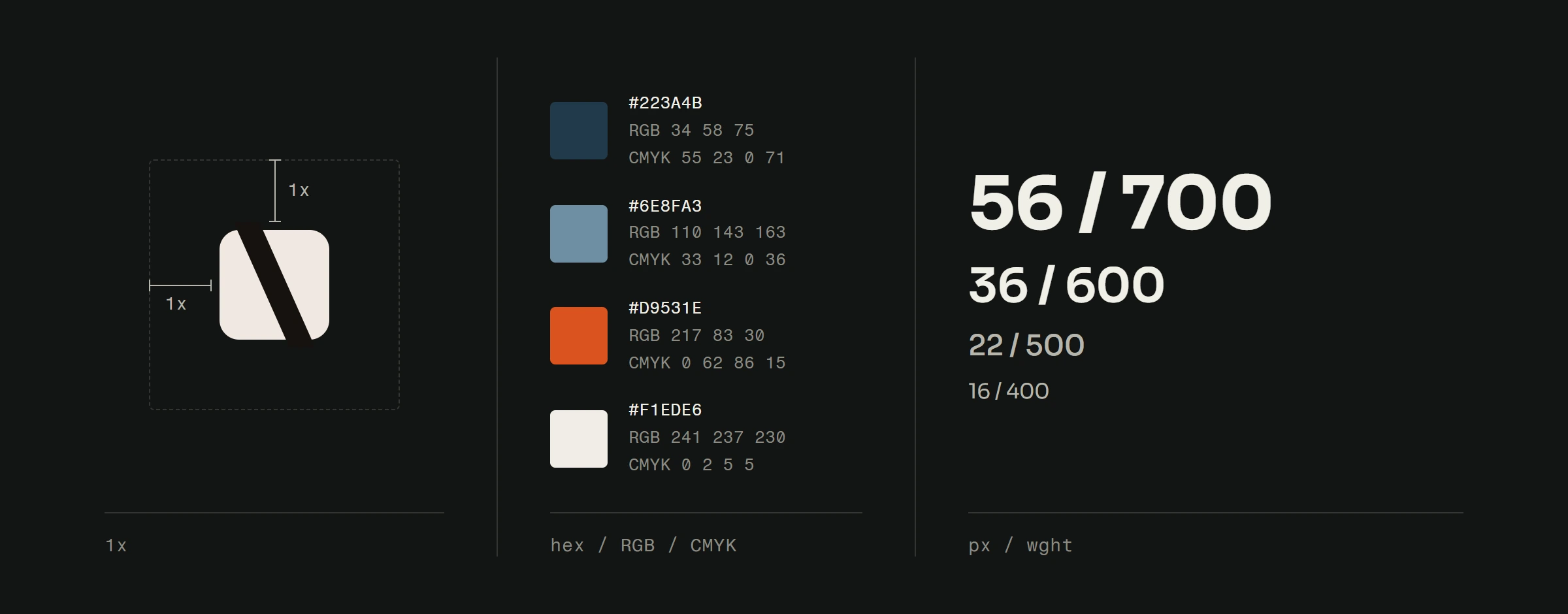
Consistency builds recognition. Recognition builds trust. Trust builds revenue. It is that straightforward.
Measure what matters
Branding is not a one-time project. It is an ongoing process that needs attention. Track the things that tell you whether your brand is working:
Direct traffic. Are people typing your name into Google? That means they remember you. Understanding what branding actually is and how it works online helps you connect these metrics to real brand equity.
Brand mentions. Are people talking about you without being prompted?
Customer feedback. What words do people use to describe your business? Do those words match what you want your brand to say?
Website engagement. Do visitors stay on your site? Do they explore multiple pages? These signals tell you whether your brand is connecting. A free website analysis can show you exactly how visitors interact with your site.
If the numbers are flat, something about your brand is not landing. Revisit your strategy before throwing more money at design.
The hard part
Good branding takes time. It is not a weekend project. You will not see results in a week.
But businesses that invest in building a real brand, one that is consistent, clear, and connected to a real strategy, always outperform those that skip this work. It is the difference between being forgettable and being the obvious choice. The strongest brands we have seen share one trait: every element, from product photography to SEO strategy, ties back to one coherent story.
Ready to build a brand that starts with a great website? See how we approach web design and let's figure out what your brand needs.