Every link pointing to your website is a signal to Google. It says: "This site is worth referencing." The more of those signals you have from reputable sources, the higher you rank. Simple concept. Not-so-simple execution.
Let's talk about how to actually earn backlinks you can be proud of.
Why backlinks still matter
Google's algorithm considers hundreds of ranking factors. Backlinks remain one of the top three. The reason is straightforward: if other websites stake their reputation by linking to yours, your content is probably worth showing to more people.
But not all links are equal. A link from a well-respected industry blog with real traffic carries serious weight. A link from a spammy directory nobody visits? That can actually hurt you.
Think of it this way. A recommendation from a trusted colleague lands differently than a flyer stuck to your windshield. Google knows the difference too.
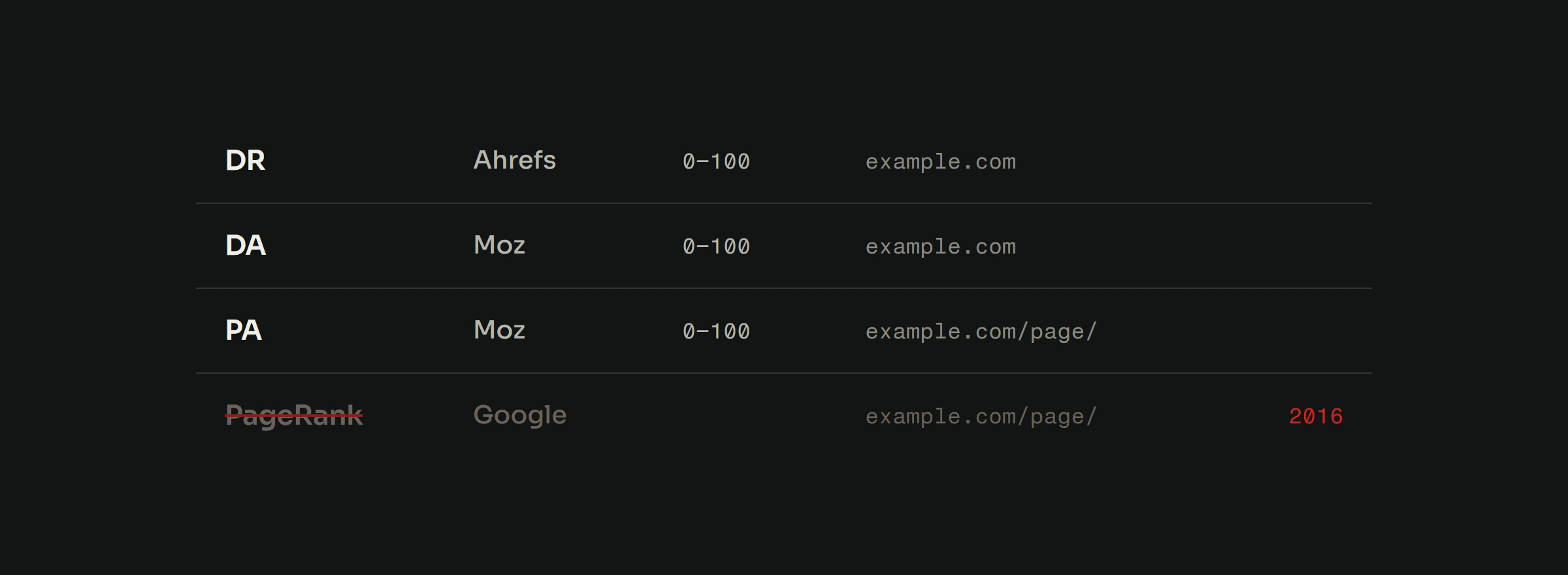
The metric to watch here is Domain Rating. Sites with higher domain authority pass more link equity to you. One link from a site with a DR of 70 is worth more than 100 links from sites with a DR of 10.
Create content that earns links naturally
Here's a hard truth: most website content doesn't deserve backlinks. It's generic, it rehashes what ten other sites already said, and there's no reason for anyone to reference it.
Content that earns links has at least one of these qualities:
Original data. Run a survey. Analyze your industry. Share stats nobody else has. Journalists and bloggers are always looking for data to cite. If you're the source, the links come to you.
Comprehensive guides. When your guide on a topic is genuinely the best resource available, people link to it because it saves them from writing the same thing. Make it thorough, make it current, make it easy to reference.
Useful tools and calculators. Free tools that solve a specific problem generate links on autopilot. A cost calculator, a checklist template, a comparison chart. If it's useful, people share it.
Strong opinions backed by evidence. Controversial takes get attention. If you can argue a position with data and experience, people will link to it, whether they agree or not. Content that covers adjacent topics like SEO and web accessibility also earns links because it bridges two audiences that don't always overlap.
Visual assets. Original infographics, diagrams, and charts get embedded on other sites with attribution links. Create something that explains a complex topic visually and watch it spread.
Guest posting that actually works
Guest posting has a reputation problem. Too many people abused it with low-effort articles on irrelevant sites. But done right, it remains one of the most reliable link-building tactics.
The key: write for publications your audience actually reads.
Find the right sites. Look for blogs and publications in your industry with real traffic and engaged audiences. Check their domain rating. Read their existing content to understand their editorial standards.
Pitch topics they need. Don't pitch self-promotional fluff. Offer genuine expertise on a topic their audience cares about. Look for gaps in their existing content.
Write your best work. Your guest post should be at least as good as what you publish on your own site. Maybe better. This is your first impression with a new audience.
Include natural links. Link back to relevant pages on your site where it genuinely adds value for the reader. One or two contextual links. Not a keyword-stuffed anchor text fest.
Digital PR and relationship building
The best backlinks come from real relationships. Not cold outreach templates. Not "I noticed you wrote about X and I have a similar article" emails that end up in spam folders.
Help first, ask later. Share other people's content. Leave thoughtful comments on their work. Introduce them to useful contacts. Build genuine goodwill before you ever mention your own content.
Respond to journalist requests. Services like HARO (Help A Reporter Out), Qwoted, and Featured.com connect journalists with expert sources. When a reporter needs a quote about web design or SEO, you provide it. They publish it with a link to your site.
Collaborate on content. Co-author a study. Participate in an expert roundup. Host a webinar with someone whose audience overlaps with yours. Collaborative content naturally generates links from all participants.
Speak at events and on podcasts. Every conference talk and podcast appearance typically generates at least one backlink from the event or show page. Plus you build authority that leads to more organic mentions over time.
Competitor backlink analysis
Your competitors are ranking for the keywords you want. That means they have backlinks you could potentially have too.
Here's how to find them:
- Pull their backlink profile. Use Ahrefs, SEMrush, or Moz to see every site linking to your competitors.
- Identify patterns. Are they getting links from industry directories? Guest posts? News mentions? This tells you which tactics work in your niche.
- Find replicable links. If a competitor has a link from a directory, you can submit there too. If they guest posted on a blog, that blog probably accepts pitches.
- Find broken links. If a competitor's linked page is dead (404 error), contact the linking site and offer your content as a replacement.
This isn't about copying competitors. It's about understanding the playing field and finding opportunities they've proven exist.
What not to do
Some link-building tactics will get you penalized. Google has been cracking down on manipulation since the Penguin update, and they keep getting better at detecting it.
Don't buy links. It's tempting. It's fast. It also violates Google's guidelines and can result in a manual penalty that tanks your entire site.
Don't use private blog networks (PBNs). These are networks of sites built solely to link to a target site. Google identifies and devalues them regularly.
Don't spam comments and forums. Dropping your link in blog comments and forum threads with no context adds zero value and makes you look desperate.
Don't do reciprocal link exchanges. "I'll link to you if you link to me" at scale looks exactly like what it is: manipulation.
Don't obsess over quantity. Ten excellent links from relevant, authoritative sites will always outperform a thousand weak ones. Play the long game.
Building links takes time. That's the point.
If backlinks were easy to get, they wouldn't be valuable. The difficulty is what makes them a reliable ranking signal. Google trusts links precisely because they require effort and represent genuine endorsement.
Start by auditing your current backlink profile. Know what you have. Then create one piece of genuinely link-worthy content. Then reach out to five people who might find it useful. Do this consistently, and your backlink profile will grow month over month.
It compounds. Slowly at first, then noticeably. The sites that rank on page one for competitive terms didn't get there overnight. They built their link profiles steadily over months and years. If reaching that first page of Google is the goal, backlinks are one of the most reliable paths there.
Links do the most for a site that's already sound. Our free website analysis checks that part: a developer goes through your site by hand and sends back what to fix first, ranked by impact, within 48 hours.