Google pushed several major algorithm updates in 2024 and 2025 that hit hard. Sites that relied on thin content, recycled articles, or shady link schemes saw their traffic drop off a cliff. Google's March 2024 core update alone targeted a 40% reduction in low-quality results, and the updates kept coming: August 2024, November 2024, December 2024, and multiple rounds in 2025 continued tightening the screws.
If your traffic dipped and you don't know why, this article will help. If your traffic held steady, this will help you keep it that way.
What Google actually changed
The war on junk content
Google's core updates have one consistent theme: reward sites that produce genuinely useful content and punish sites that don't. The 2024 updates sharpened this significantly, and Google integrated its Helpful Content System directly into its core ranking algorithm with the March 2024 update, making quality evaluation a continuous signal rather than a periodic check.
AI-generated content farms got hammered. Sites that mass-produced articles using AI without any human editing or expertise saw massive ranking drops. Google's official stance remains clear: they don't penalize AI-generated content automatically, but they do penalize content with "little to no effort, little to no originality, and little to no added value." Content that blends AI assistance with genuine human expertise and editing continues to perform fine.
Duplicate and near-duplicate content also took a hit. If your site has multiple pages covering the same topic with slightly different wording, Google now handles that more aggressively. Consolidate. Pick your best page and redirect the rest.
Link quality matters more than link quantity
Google updated how it evaluates backlinks. The changes:
High-quality backlinks carry more weight. A single link from a respected industry publication or news site now moves the needle more than before.
Low-quality links carry less weight (or negative weight). Links from spammy directories, link farms, or irrelevant sites don't just fail to help. They can actively hurt.
Manipulative link patterns get caught faster. Buying links, participating in link schemes, or using private blog networks is riskier than ever. Google's detection has gotten meaningfully better.
Context matters. A link from a cooking blog to your restaurant's website is relevant. The same link to your accounting firm isn't. Google now evaluates the relationship between linking and linked content more carefully.
The takeaway: stop chasing link quantity. Focus on earning links from sites that are genuinely relevant to your industry. Our guide on how to build quality backlinks covers practical strategies.
User experience is a real ranking factor
Google has been talking about user experience for years. Now they're backing it up with teeth.
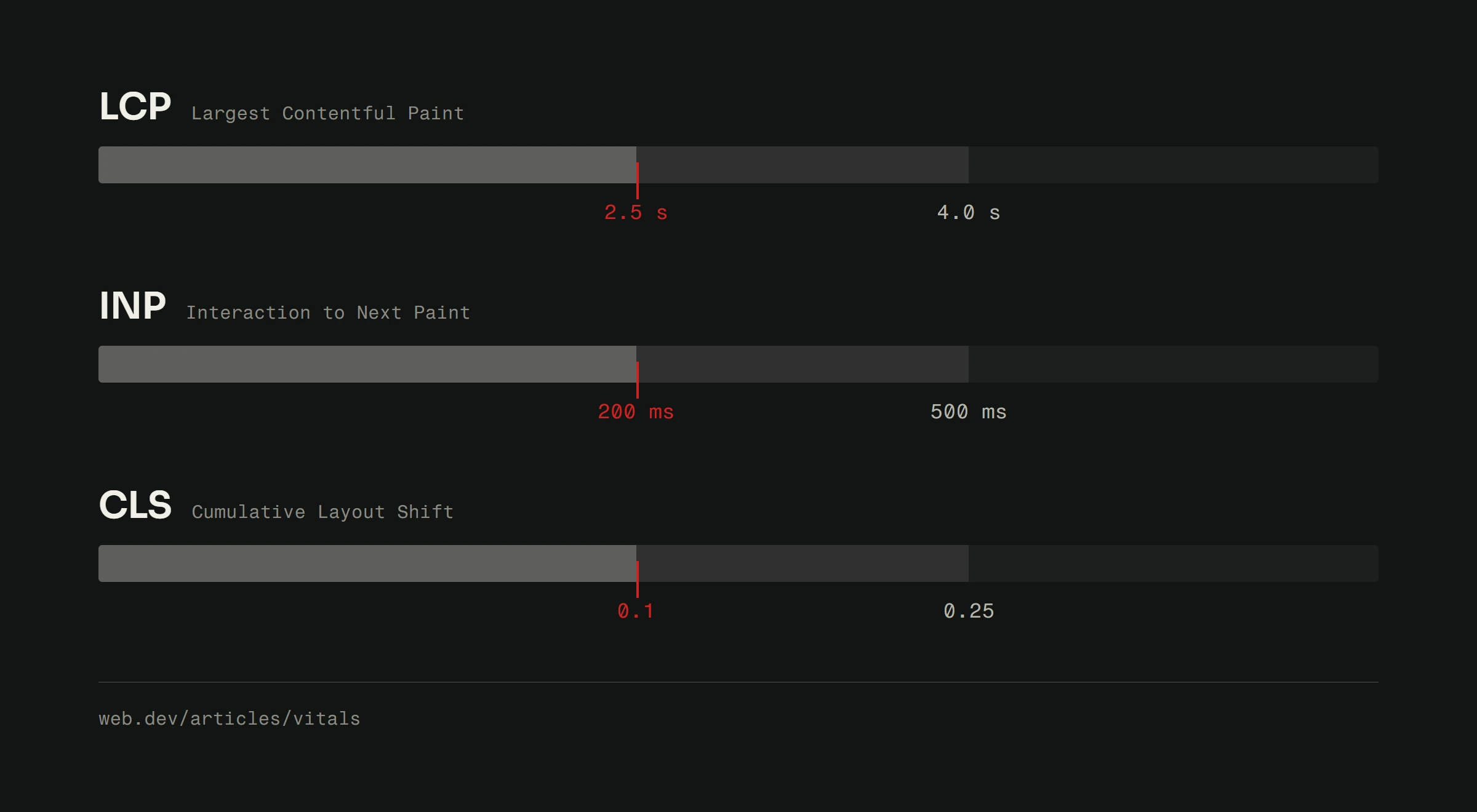
Page speed. Sites that load fast rank better. Period. Google uses Core Web Vitals (LCP, INP, CLS) as ranking signals. INP (Interaction to Next Paint) replaced the older FID metric in March 2024, measuring how fast your page responds to all user interactions, not just the first one. If you don't know your numbers, check them at PageSpeed Insights. For practical fixes, see our speed optimization guide.
Mobile performance. Mobile-first indexing isn't new, but Google is now more aggressive about demoting sites that perform poorly on mobile. If your site isn't great on a phone, your desktop rankings suffer too. More on this in our responsive design guide.
Engagement signals. How users interact with your content matters. If people click your result and immediately hit the back button, that tells Google your content didn't satisfy their query. Write content that actually answers what people are searching for, and they'll stick around.
The Gemini factor
Google integrated its Gemini AI model into search, producing AI-generated overviews (AI Overviews) at the top of many search results. As of late 2025, AI Overviews appear for roughly 15-30% of queries depending on the device and market, and Google has expanded the feature to over 200 countries in more than 40 languages. This changes the game for organic traffic.
For informational queries ("what is a backlink"), Google now often answers the question directly in the search results. Users don't need to click through to your site. This means:
- Simple informational content generates less click-through traffic.
- In-depth content with original insights, specific examples, and expert perspectives still drives clicks because AI overviews can't replicate genuine expertise.
- Content that answers "how" and "why" with real specificity performs better than content that just defines terms.
What to do about all this
Audit your content quality
Go through your existing content page by page. For each page, ask:
- Does this provide genuine value that someone can't get from a quick Google search?
- Is there original insight, experience, or data here?
- Would I trust this article if I found it as a user?
If the answer to any of these is no, either improve the page substantially or redirect it to a better one. Thin content isn't neutral. It drags your whole site down.
Fix your technical foundation
Run your site through PageSpeed Insights and fix everything flagged as a problem. Focus on:
- Largest Contentful Paint (LCP) under 2.5 seconds.
- Cumulative Layout Shift (CLS) under 0.1.
- Interaction to Next Paint (INP) under 200 milliseconds.
These aren't aspirational targets. They're the minimum for competitive rankings.
Clean up your backlink profile
Use Google Search Console or a tool like Ahrefs to review your backlinks. If you see links from spammy, irrelevant, or suspicious sites, disavow them. Then focus your link-building efforts on earning mentions from reputable, relevant sources.
Publish with purpose
Don't publish for the sake of publishing. Every piece of content should target a specific keyword with clear search intent, provide better coverage than what currently ranks, and give readers a reason to stay on the page.
Quality and consistency beat volume every time. Two excellent articles per month outperform ten mediocre ones. For writing tips, check our SEO blog writing guide.
Track your results
Set up Google Search Console if you haven't already. Monitor:
- Organic traffic trends (are you growing or declining?).
- Keyword position changes (which terms moved and why?).
- Click-through rates (are your titles and descriptions compelling enough?).
- Core Web Vitals scores (are technical issues creeping in?).
Review this data monthly. Not daily. SEO changes take weeks to show results. Checking daily just creates anxiety without actionable insight.
The bigger picture
Google's algorithm updates aren't random. They follow a clear trajectory: reward genuine expertise, punish shortcuts, and prioritize user satisfaction. Every major update in the past five years has pushed further in this direction.
The sites that survive every update are the ones that never relied on tricks in the first place. They publish quality content, maintain fast and accessible websites, and earn authority through legitimate means.
That's not exciting advice. But it's the advice that still works after every algorithm change.
Worried about how recent updates affected your site? Get a free website analysis and we'll show you exactly where you stand.