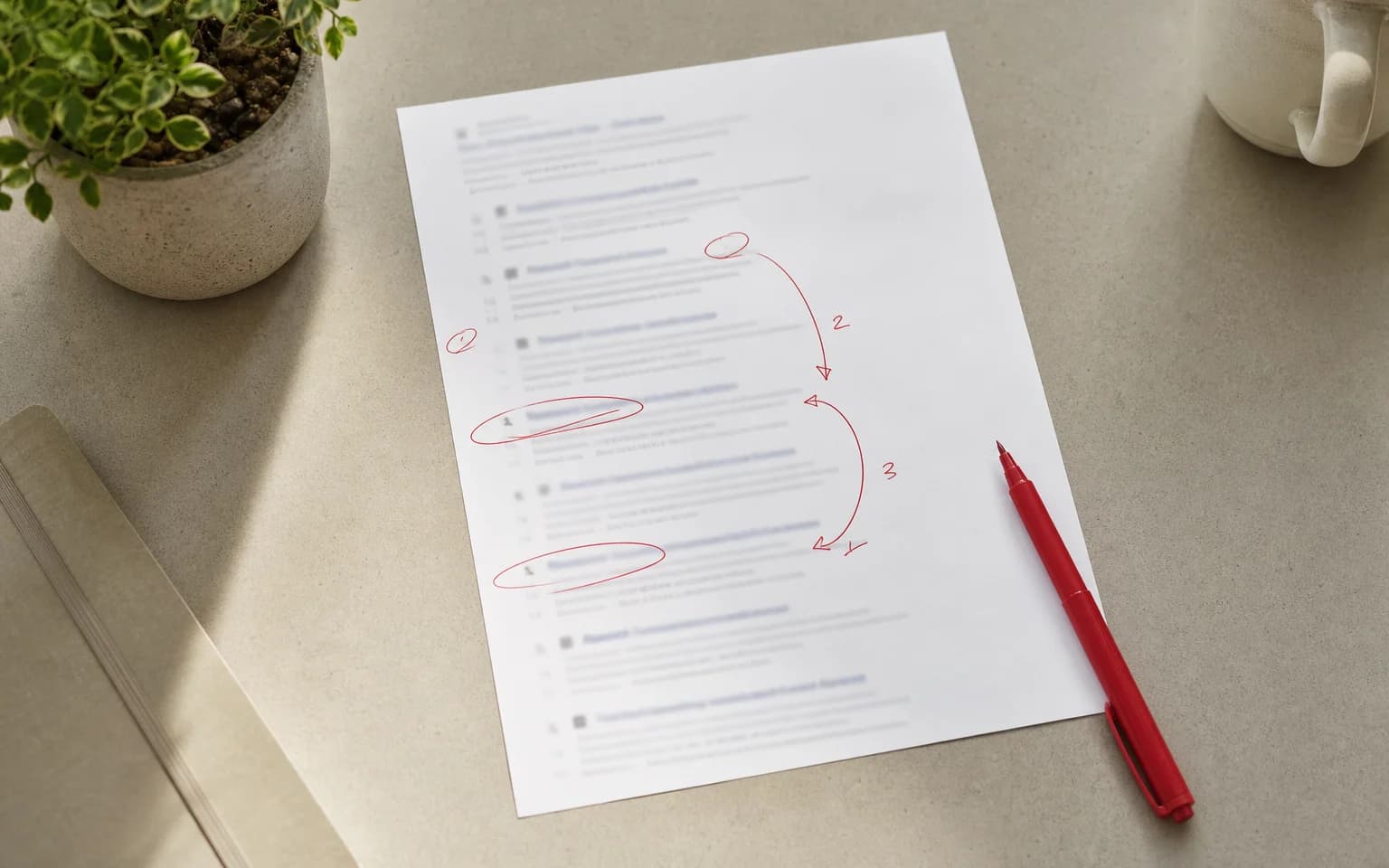
Google in 2020 and Google today are practically different search engines. The algorithms got smarter. The features got richer. The competition got fiercer. But a lot of businesses are still running SEO playbooks from five years ago.
That's a problem. Not because those old tactics are harmful. But because they're incomplete. The game added new rules, and you need to play by all of them.
Google understands meaning now
The shift from keyword matching to intent matching happened gradually, but the impact is massive. Google doesn't just look for pages containing the words someone typed. It tries to understand what the person actually needs.
Search for "how to fix a slow website" and Google knows you want step-by-step technical guidance, not a sales page for hosting. Search for "website speed optimization service" and now it knows you want to hire someone.
Same general topic. Completely different intent. Google serves completely different results.
What this means for your SEO strategy: every page on your site should target a specific intent. Not just a keyword. Ask yourself: when someone lands on this page, what do they want to do? Learn something? Compare options? Make a purchase? Then build the page to deliver exactly that.
Zero-click searches aren't going away
Google answered the question before you could click. Featured snippets. Knowledge panels. People Also Ask boxes. AI Overviews. More than half of all searches now end without a single click to any website.
This isn't a doomsday scenario. It's a shift in strategy.
How to adapt:
Optimize for featured snippets. Structure your content so Google can pull clean answers. Use clear H2 questions followed by direct 2-3 sentence answers. Use numbered lists for processes. Use tables for comparisons.
Build brand awareness through SERP visibility. Even if users don't click, they see your brand name in the snippet. That compounds over time. When they're ready to buy, they search for you by name.
Target queries that still drive clicks. Product comparisons, in-depth guides, tool reviews. These are topics where a snippet can't satisfy the full need. Users want to explore.
Focus on blogging with purpose. Every post should target a specific question your audience asks. Not generic topics. Specific, searchable questions.
AI is Google's engine now
Google's search algorithm runs on AI models. RankBrain, BERT, MUM, and the technology behind AI Overviews all work together to evaluate content quality, relevance, and usefulness.
This isn't theoretical. It has practical implications for how you create content.
Write for humans, structure for machines. Your content should read naturally. No keyword stuffing. No awkward phrasing to force a keyword in. But your HTML should be clean and well-structured. Proper heading hierarchy. Schema markup. Logical content flow.
Depth beats breadth. Google's AI can tell the difference between a page that genuinely covers a topic and one that superficially skims it. If you're writing about keyword research, don't just define what keywords are. Explain how to find them, which tools to use, how to evaluate difficulty, and how to prioritize.
Original perspective matters. AI-generated content floods the internet. Google explicitly said they reward content with original insight. Share your actual experience. Include data from your own projects. Have opinions. That's what separates your content from a thousand AI-generated articles saying the same thing.
Local SEO got more competitive
The local pack (those three business listings at the top of local searches) drives serious traffic for service businesses. But more businesses are competing for those spots than ever before.
Winning local SEO requires consistency and effort:
Your Google Business Profile needs to be complete, accurate, and active. Post updates weekly. Add photos regularly. Respond to every review.
Your NAP (Name, Address, Phone) information must be identical across every directory and platform. One inconsistency can hurt you. Audit your listings quarterly.
Local content helps. Write about your service area. Create pages for specific locations you serve. Reference local landmarks and neighborhoods naturally in your content.
Reviews are a ranking factor. Not just the star rating. The number of reviews, how recent they are, and whether you respond to them all matter. For more local tactics, see our local SEO strategies guide.
Technical foundations matter more than ever
Here's something that hasn't changed: a technically broken site won't rank. What has changed is Google's standards for what "technically sound" means.
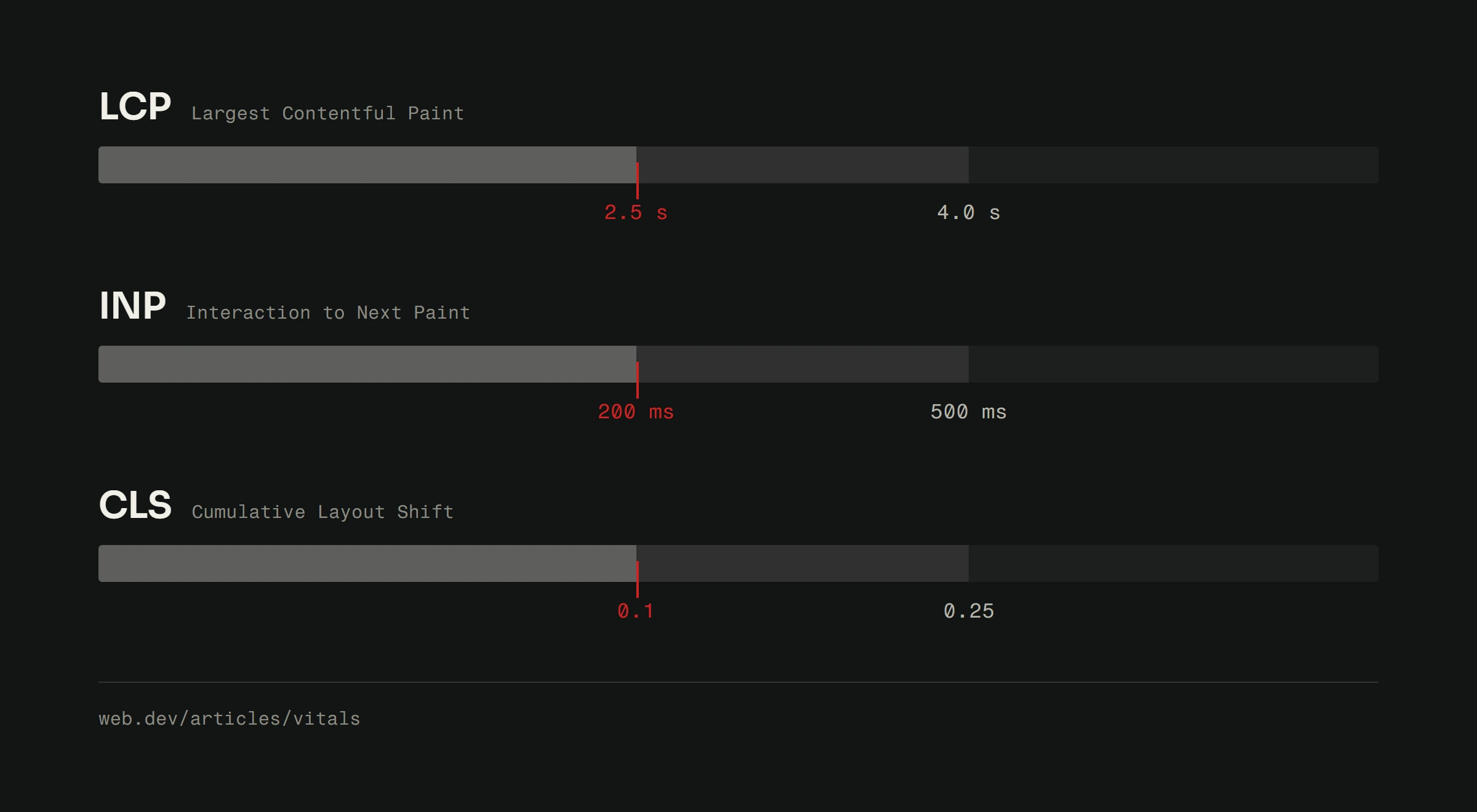
Core Web Vitals are a ranking factor. Your pages need to load fast (LCP under 2.5 seconds), respond quickly to interactions (INP under 200ms), and stay visually stable during loading (CLS under 0.1). Test with PageSpeed Insights. Fix the issues.
Crawl budget matters for larger sites. If Google can't efficiently crawl your site, new and updated content takes longer to get indexed. Clean up redirect chains. Fix 404 errors. Remove low-quality pages that waste crawl budget.
Structured data is table stakes. Schema markup helps Google understand your content. Article schema for blog posts. FAQ schema for question-answer content. LocalBusiness schema for local companies. Product schema for e-commerce. Implement it.
For a detailed speed optimization walkthrough, check our website speed guide.
The new SEO playbook
Here's the honest version of what modern SEO requires:
- Understand intent before you write a single word. Check the actual search results. Match the content format that's already working.
- Create genuinely useful content with original perspective. Not keyword-stuffed filler. Not AI-generated slop. Real insight.
- Nail the technical basics. Speed. Mobile. Crawlability. Schema. No excuses.
- Earn authority through quality backlinks, E-E-A-T signals, and consistent brand presence.
- Optimize for the SERP features that exist now, not the ten blue links of 2015.
- Measure and adapt. Use Search Console data to find what's working and double down on it.
The businesses that treat SEO as an ongoing discipline, not a one-time project, are the ones capturing traffic while everyone else wonders where their rankings went.
Want to know how your site stacks up against modern SEO standards? Get a free website analysis.