Ask ten business owners what branding means and you'll get ten different answers. A logo. A color scheme. A catchy slogan. These are parts of branding, sure. But they're the wrapping paper, not the gift.
Your brand is the feeling people get when they interact with your business. It's what they remember after they leave your website. It's the reason they pick you over the competitor with the same services and lower prices. Get branding right, and you stop competing on price entirely.
Branding vs. visual identity
Let's clear this up immediately because the confusion costs businesses real money.
Visual identity is what your brand looks like. Logo, colors, typography, photography style. It's important, but it's a subset of branding. If you need guidance on the visual side, check out our piece on designing a good logo.
Branding is the complete experience. How you answer the phone. What your website copy sounds like. How fast you respond to inquiries. The quality of your work. The feeling someone gets when they open your email. All of this is branding.
A beautiful logo on a slow, confusing website does nothing. A mediocre logo on a website that's fast, clear, and speaks directly to the customer's problem? That converts.
Why branding matters more online
In a physical store, you have atmosphere. Music, lighting, how the staff greets you. Online, your website IS the entire experience. There's no friendly handshake, no warm shop smell. Just pixels on a screen.
This makes every detail of your online presence a branding decision. The font you choose communicates something. The speed of your site communicates something. Whether you have real photos or generic stock images communicates something.
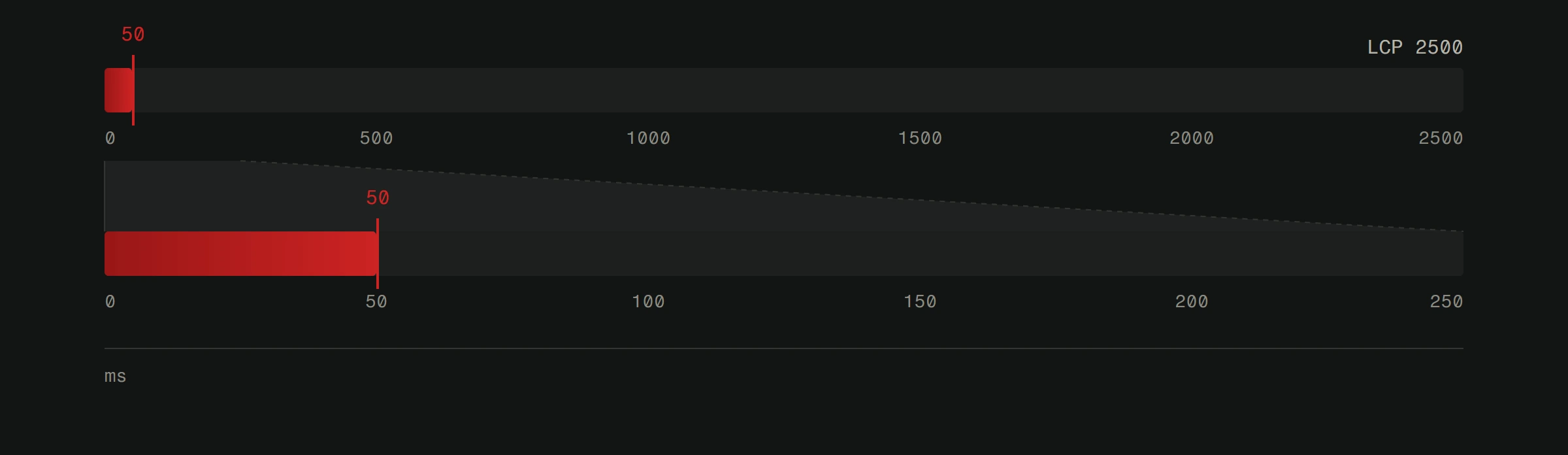
Visitors form an opinion about your business within 50 milliseconds of landing on your website. If that first impression says "outdated" or "confusing" or "generic," your branding has already failed. No amount of great service behind the scenes will fix a first impression that never happened because someone bounced in three seconds.
This is exactly why web design and branding can't be separate conversations. They're the same conversation.
The five pillars of practical branding
Forget the MBA frameworks. Here's what actually matters for building a brand that works.
1. Know who you're talking to
Not "everyone." Not "small to medium businesses." Specific people. What do they worry about? What have they tried before? What would make them trust a stranger on the internet?
A web design studio targeting restaurants has a completely different brand than one targeting law firms. The language changes. The visual style changes. The case studies change. Everything changes because the audience changed.
2. Have a clear position
What do you do, who do you do it for, and why should they choose you? If you can't answer this in two sentences, your branding has a foundation problem.
Your position doesn't need to be revolutionary. "We build fast, good-looking websites for small businesses in Croatia" is a perfectly clear position. Vague is the enemy. Specific is the strategy.
3. Be consistent everywhere
This is where most small businesses fail. The website says one thing, the Instagram bio says another, and the business card says something completely different. Every touchpoint should feel like it comes from the same company.
Consistency builds recognition. Recognition builds trust. Trust builds revenue. It's not complicated, but it requires discipline.
4. Let your personality show
Corporate language is forgettable. Personality is memorable. If your business has a sense of humor, let it show. If you're direct and no-nonsense, write that way. If you're warm and community-focused, that should come through in every interaction.
The brands that get remembered are the ones that sound like humans, not committees. For more on building a recognizable brand, read our guide on how to brand your business.
5. Deliver on the promise
This is the part no branding guide can do for you. If your brand promises quality, deliver quality. If it promises speed, be fast. The gap between brand promise and reality is where trust goes to die.
Your website as brand headquarters
Think of your website as the headquarters of your brand. Social media is rented space. Email platforms change. But your website is yours.
That means your website should be the most complete expression of your brand. Here's what that looks like in practice.
Copy that sounds like you. Not generic industry language. Not what your competitors say. Your actual voice, written in a way that connects with your specific audience.
Design that matches your positioning. A luxury brand with a basic WordPress template sends conflicting signals. A budget-friendly service with an overly complex website does too. The design should reinforce what the brand stands for.
Speed that respects your visitors. A slow website says "we don't care about your time." That's a brand message, even if you didn't intend it.
Content that proves your expertise. Blog posts, case studies, project examples. These aren't just SEO tools (although they are that too). They're brand-building assets that show visitors you know what you're talking about.
User experience that feels intentional. Can people find what they need in three clicks? Is the contact form easy to use? Does the mobile version work properly? Every UX decision is a brand decision.
Common branding mistakes
Copying competitors. If your brand looks and sounds like everyone else in your industry, you don't have a brand. You have a disguise. Study competitors to find gaps, not templates.
Rebranding too often. Every time you change your visual identity, you reset the recognition clock. Evolve gradually. Don't start from scratch every two years.
Ignoring your website. Spending thousands on a logo and business cards but running a website that looks like it was built in 2015. Your website gets more eyeballs than any business card ever will.
Chasing trends. That design trend that's everywhere right now? It'll look dated in 18 months. Good branding outlasts trends because it's built on substance, not style.
Being everything to everyone. The fastest way to build a forgettable brand is to try to appeal to every possible customer. Pick a lane. Own it. The right people will find you.
Building brand equity over time
Strong brands aren't built in a week. They're built through hundreds of small, consistent actions over months and years.
Every email you send is a branding moment. Every project you deliver is a branding moment. Every blog post you publish is a branding moment. Every time someone visits your website, they're updating their mental model of who you are.
The businesses with strong brands didn't get there through one brilliant campaign. They got there by showing up consistently, delivering on promises, and making sure every touchpoint felt intentional.
Start with clarity about who you are and who you serve. Build a website that reflects that clearly. Then be relentlessly consistent in everything you do after that. It's simple, but simple is usually what works.
Want a website that actually reflects your brand? See how Version2 approaches web design or get deeper into visual identity with our guide on designing a logo that works.