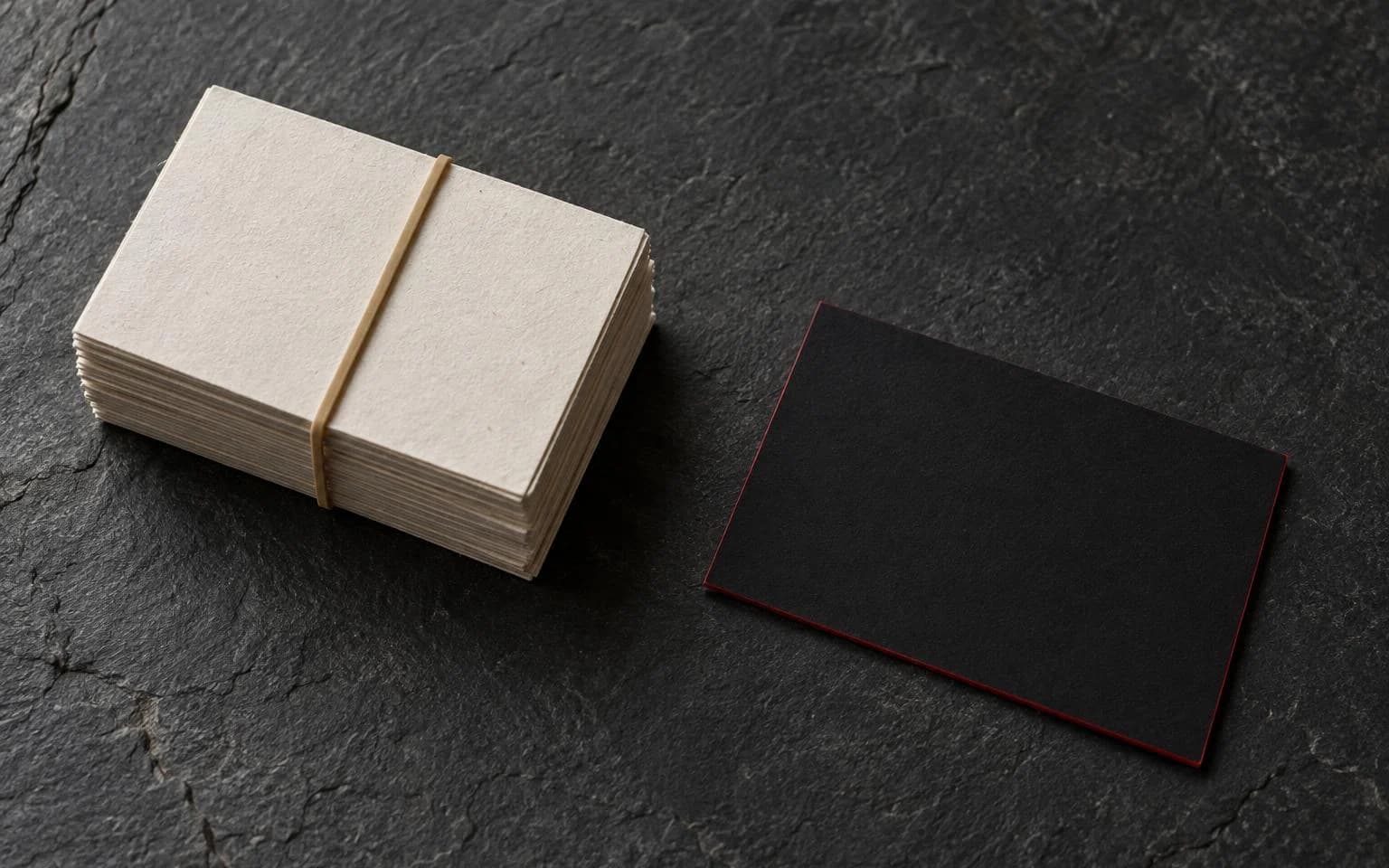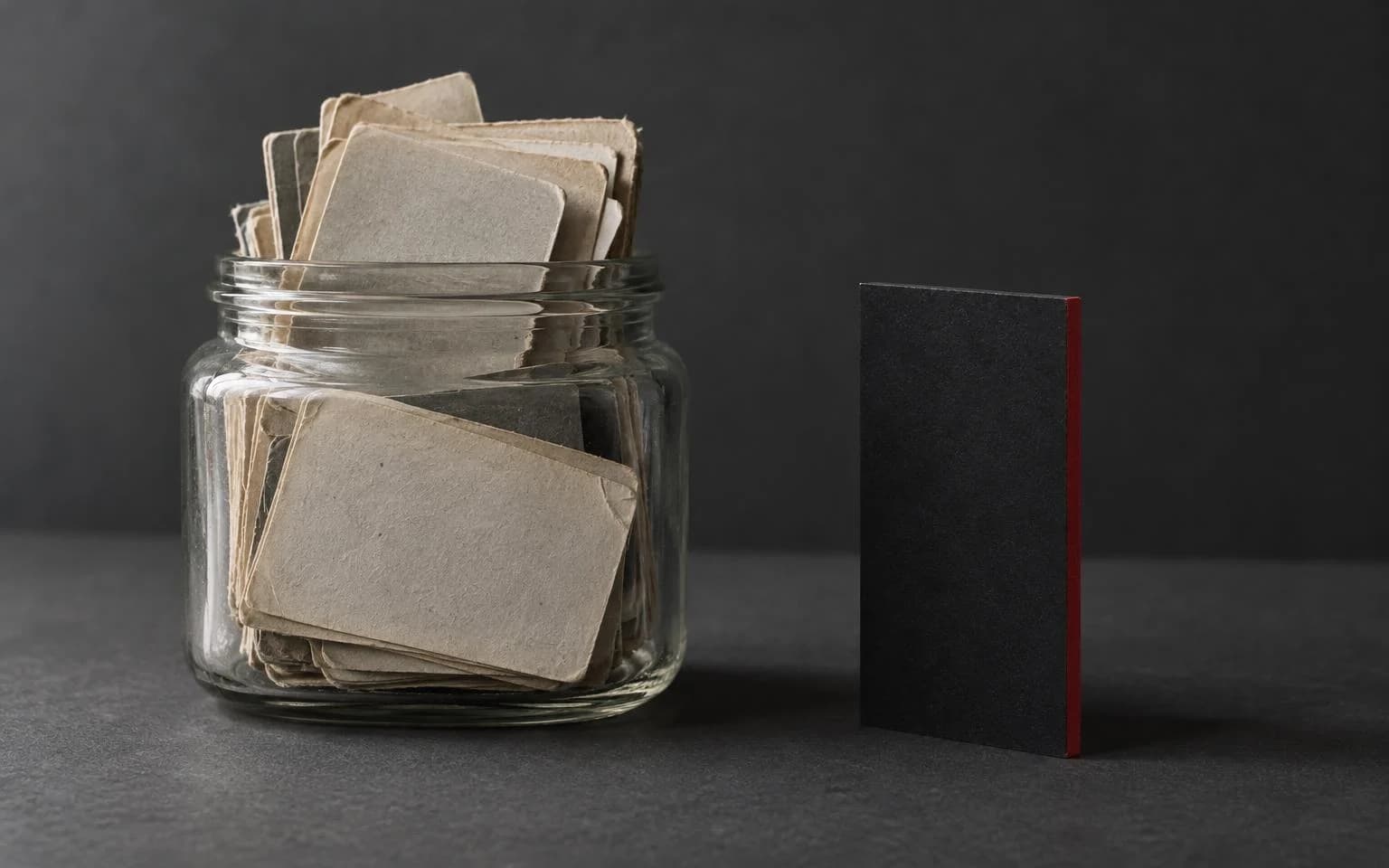
Someone hands you a paper business card. You glance at it. Name, title, phone number, email. Maybe a website. You put it in your pocket and forget about it by the time you get home.
A digital business card fixes every part of that interaction.
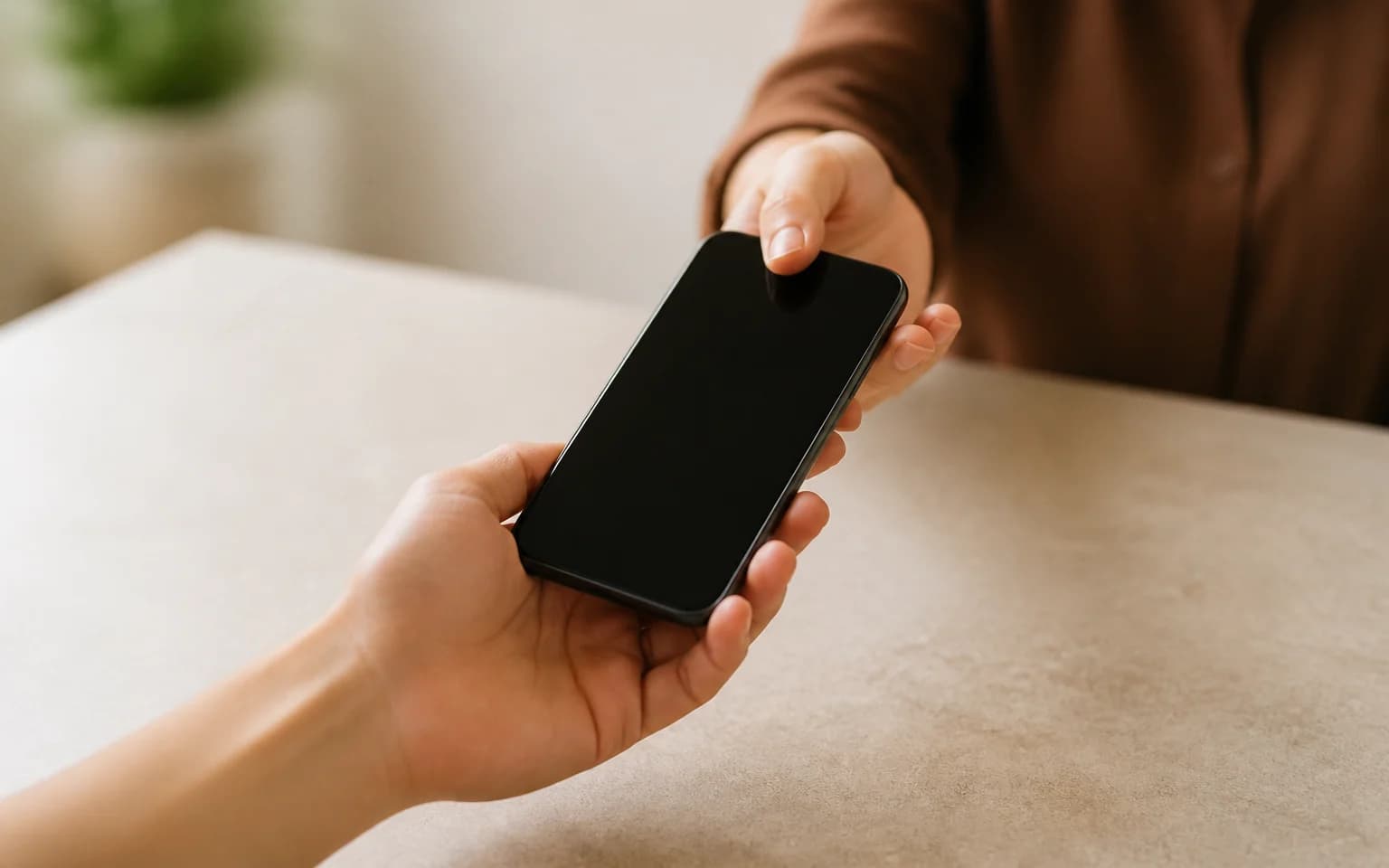
You tap a card against someone's phone. Your full contact profile opens instantly. They save it with one tap. Your info is in their phone. Done in five seconds.
That's the short version. Here's the full picture.
The basics
A digital business card is a way to share your professional contact information electronically. But unlike a vCard file or a LinkedIn QR code, the best digital business cards are actual physical cards that look and feel like premium business cards.
The difference is what's inside. An NFC chip. A tiny antenna. And sometimes a printed QR code on the surface.
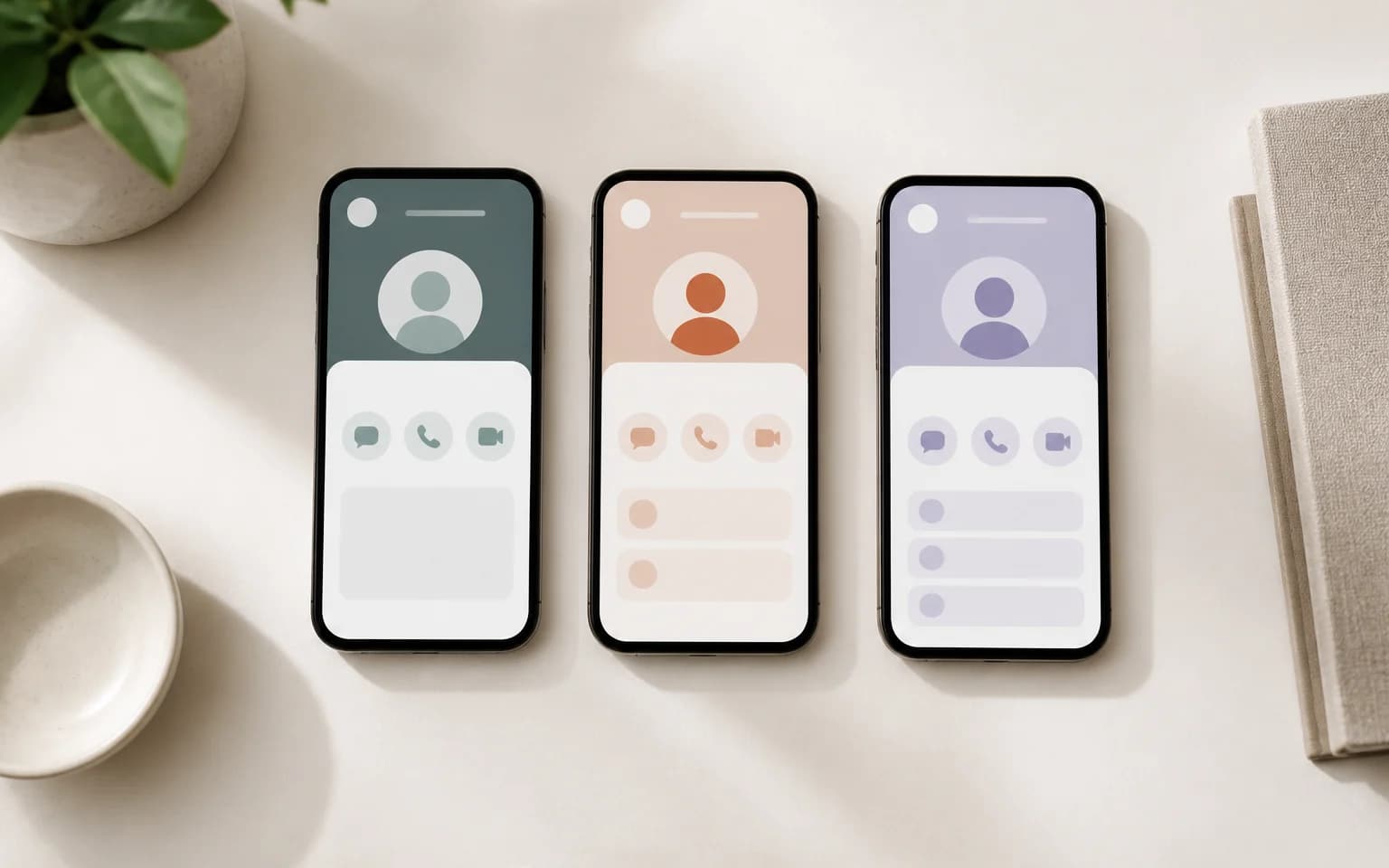
When you tap this card against a smartphone, the NFC chip communicates with the phone and opens a URL. That URL leads to your digital profile page. Your name, photo, job title, company, phone numbers, email addresses, website, social media links, bio, and anything else you want to share.
The recipient taps "Save Contact" and you're in their phone. No typing. No searching. No apps to download.
How NFC technology works
NFC stands for Near Field Communication. It's the same technology behind contactless payments. When you tap your bank card on a payment terminal, that's NFC.
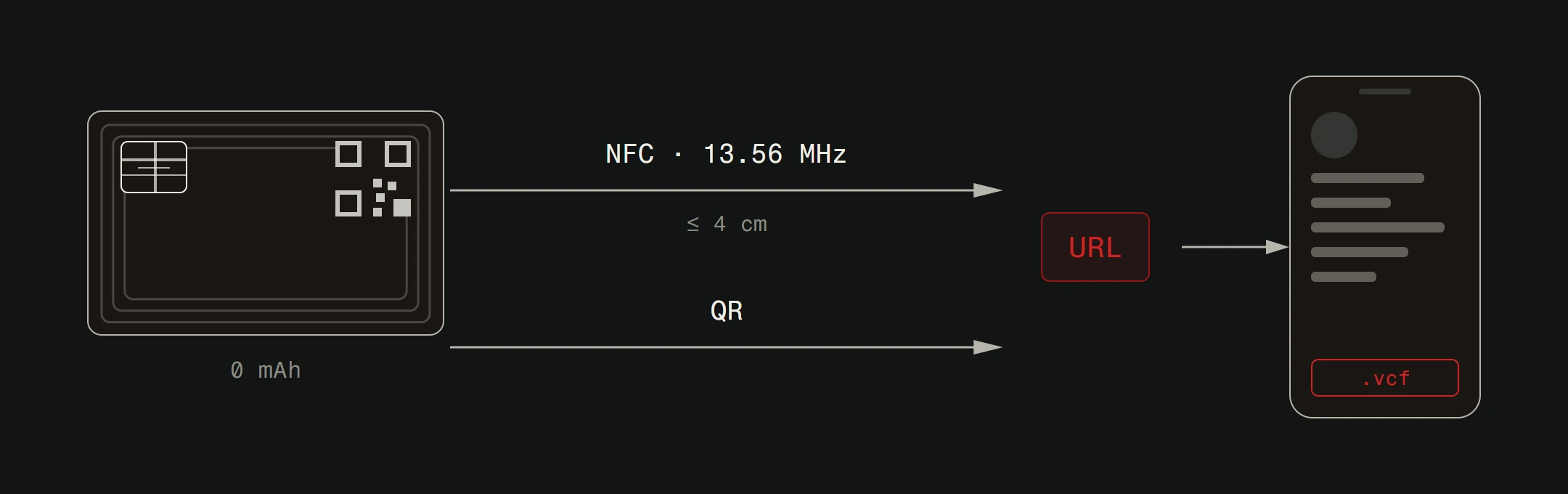
In a digital business card, the NFC chip is programmed with a URL. When a phone gets close (within a few centimeters), the chip powers up using the phone's electromagnetic field and transmits that URL. The phone opens it automatically.
This works on every iPhone from the XS onwards and virtually every modern Android phone. No app needed. No Bluetooth pairing. No WiFi. Just a tap.
The whole exchange takes about two seconds. That's faster than pulling out your phone, opening an app, and finding a QR code to display.
What's on a digital business card profile?
Your digital profile is a web page that you control. Typical content includes:
Contact information. Phone number, email address, office address. The basics.
Social links. LinkedIn, Instagram, Twitter/X, Facebook, YouTube. Whatever platforms you use professionally.
Website. Your company site, portfolio, or personal page.
Bio. A short description of who you are and what you do.
Photo. A professional headshot helps people remember who they met.
Call to action. Book a meeting, view portfolio, visit website. Direct people to take the next step.
The key advantage: you edit this page anytime. Changed jobs? Updated in minutes. New phone number? Fixed instantly. Your physical card keeps working because it points to the page, not to the data itself.
Physical NFC cards vs. app-only options
There are two schools of thought on digital business cards:
Physical NFC cards (like what Version2 makes) are actual tangible cards with embedded chips. You carry them in your wallet. You hand them over or tap them. They feel professional and work instantly.
App-only options live on your phone. You open an app, display a QR code, and the other person scans it. Some use your phone's built-in NFC to share. The downside: you need to unlock your phone, find the app, and do this while trying to have a conversation.
For in-person networking, the physical card wins hands down. It's fast, it's smooth, and it doesn't make you look like you're checking your phone mid-conversation.
The QR code isn't gone, though. Version2 cards print a QR code on the card itself as a backup. If someone's phone doesn't support NFC for any reason, the QR code does the same job. Both paths lead to the same profile.
Why people switch from paper
The reasons are practical, not trendy:
No reprinting. Paper business cards become outdated the moment your info changes. Digital cards stay current because you update the profile, not the card.
No running out. Ever been at a conference and realized you handed out your last card three conversations ago? One digital card handles unlimited contacts.
More information. A paper card gives you maybe seven lines of text. A digital profile gives you everything. Social links, bio, portfolio, working hours, location map.
Better recall. When your contact info is saved in someone's phone, you're a search away. Paper cards get lost, damaged, or thrown away.
Analytics. With Version2 cards, you can see how many people have tapped your card and when. Try getting that data from a paper card.
Sustainability. No paper, no ink, no waste. One card replaces hundreds of printed ones. For a broader perspective on where this trend is heading, our post on the future of business cards covers the shift in detail.
Want a deeper look at these benefits? Read our post on why a digital business card is the right choice.
What a Version2 digital business card looks like
Here's what you get:
The physical card. High-quality PVC with your custom design. NFC chip embedded inside. QR code printed on the surface. It looks and feels professional.
The online profile. A customizable web page with all your contact information, social links, and a save-to-contacts button. Accessible 24/7 from any device.
The dashboard. Edit your profile, view analytics, manage your information. All from a simple web interface.
Custom design. We don't hand you a template and wish you luck. Our design team creates a card that matches your brand. Your colors. Your logo. Your style.
Starting at EUR 29.99. No monthly fee for the card itself. You buy it, you own it.
Common questions
Does the other person need an app? No. The profile opens in their regular web browser. Works on any smartphone.
Does it work with phone cases? Yes. NFC works through most phone cases. Very thick metal cases might be an exception, but that's rare. And there's always the QR code backup.
How long does the card last? The NFC chip has no battery and doesn't wear out. The card lasts as long as the PVC material does. Years.
Can I have multiple profiles? Yes. Order cards with different profiles for different contexts. Personal, business, side project.
What if I lose the card? Your profile stays online. Order a replacement card programmed to the same URL.
Who needs a digital business card?
Anyone who meets people professionally. But especially:
Sales reps who network constantly. Consultants who work across multiple clients. Real estate agents who meet new prospects weekly. Freelancers who need to make a strong first impression. Small business owners at trade shows and local events.
If you still rely on paper business cards, you're spending more money, sharing less information, and making it harder for people to remember you. That's worth fixing. The data backs this up: digital business cards are gaining popularity fast across industries.
See the full lineup of Version2 digital business cards. Or compare options in our guide to the best digital business card on the market.