Here's a scenario you've probably lived through.
You start a new job. You order 500 business cards. Six months later, your company changes its phone system. New number. 400 cards go in the recycling bin. You order 500 more.
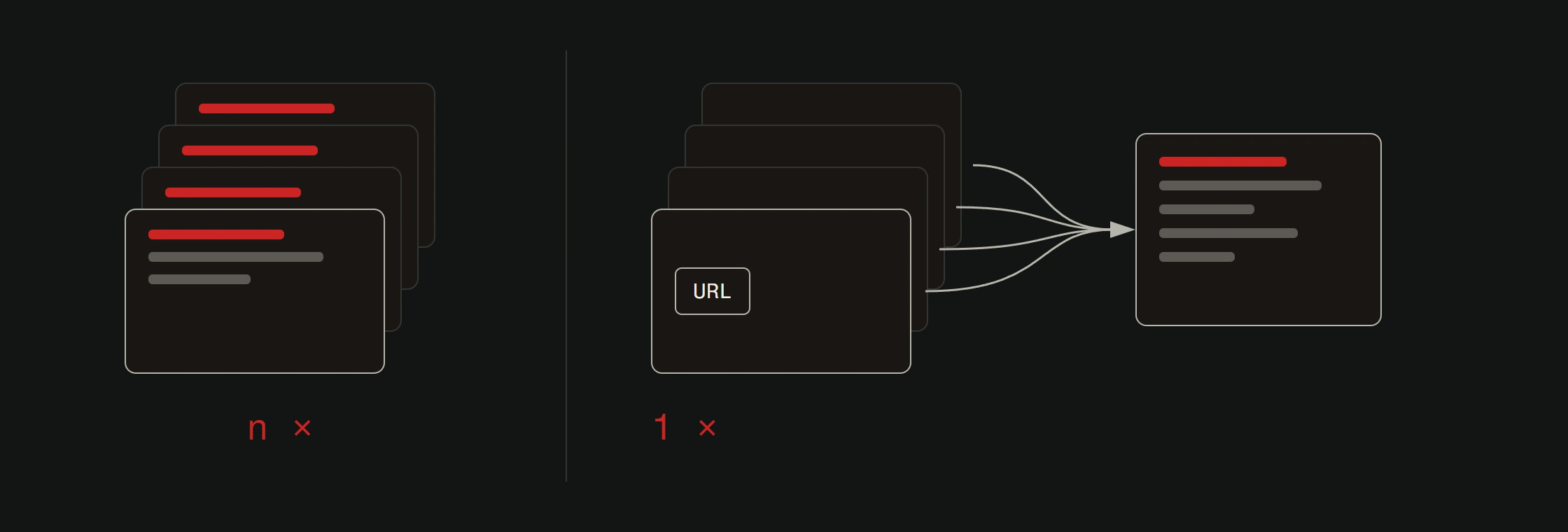
Or this one: you hand someone a card at a conference. Two weeks later, they want to reach you. They dig through a pile of 30 cards they collected that day. Yours might be there. It might not. They give up and email someone else.
Paper business cards have been the standard for centuries. But the standard is broken. Here's why a digital business card is the practical upgrade.
The problem with paper
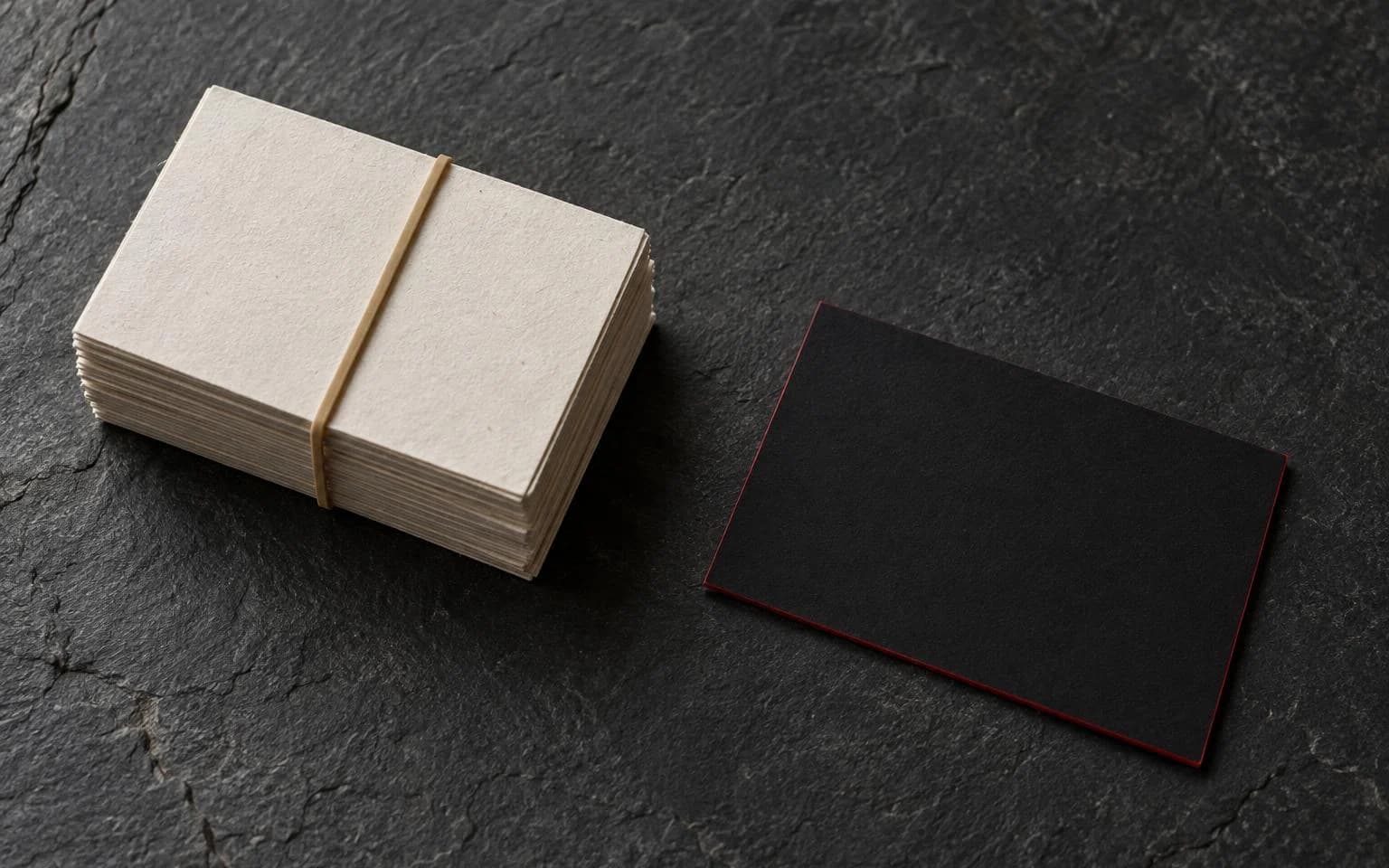
Let's be honest about what paper business cards actually are: a small piece of cardstock with static text that becomes outdated the moment anything about you changes.
They expire. New phone number, new title, new company, new email. Any change makes your existing cards wrong. You either hand out incorrect info or throw away perfectly good cards and reprint.
They get lost. Studies suggest most paper business cards get thrown away within a week. They end up in desk drawers, jacket pockets, hotel room trash cans, and between car seats.
They carry limited info. You get maybe seven lines of text. Name, title, company, phone, email, website, address. That's it. No social links. No portfolio. No bio. No photo to help them remember your face.
They cost money repeatedly. Every print run costs EUR 20-80. Every info change triggers a new print run. Over a career, that adds up.
They waste resources. Billions of cards printed annually. Most discarded. Paper, ink, shipping. All for something people usually throw away.
What a digital business card does differently
A digital business card flips every one of those problems.
It never expires. Your card links to an online profile. Change your info on the profile. The same physical card keeps working with your updated details. New job? Two minutes of editing. Done.
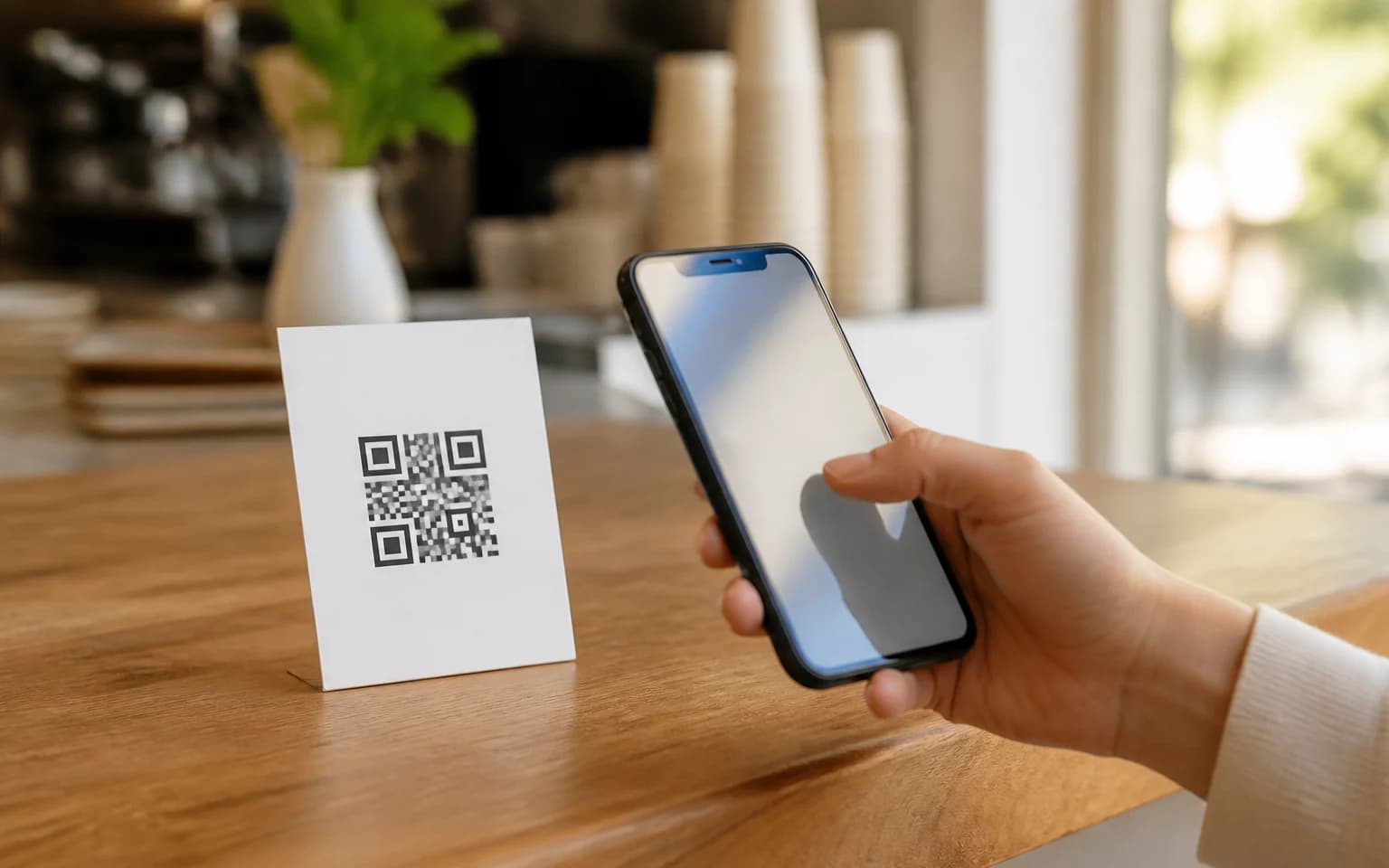
It gets saved, not lost. When someone taps your NFC card or scans your QR code, your contact info opens on their phone. They tap "Save" and you're in their contacts app. Permanently. No paper to lose.
It carries everything. Your digital profile page can include phone numbers, email addresses, website links, social media profiles, a bio, a photo, a portfolio link, office hours, a map to your location, and more. All on one page.
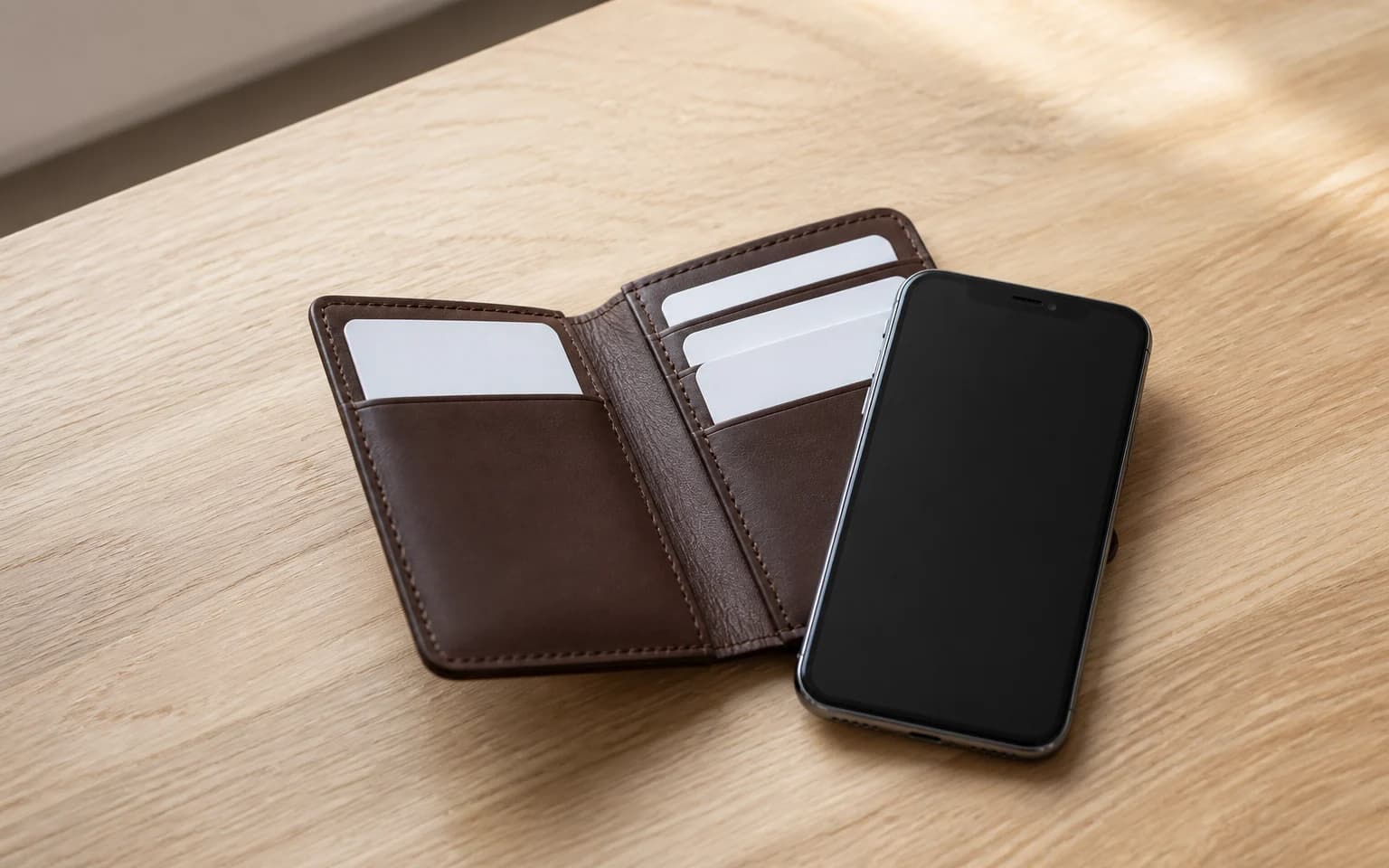
It costs once. A Version2 digital business card starts at EUR 29.99. That's it. No reprints. No reorders. The card works until you physically lose it, which takes years because it lives in your wallet.
It produces zero waste. One card replaces hundreds of paper cards over its lifetime. No paper. No ink. No packaging.
How it works in practice
Let's walk through a real interaction.
You're at a business event. You meet someone interesting. You pull out your card. It looks like a premium business card. Custom design, your brand colors, your logo.
You tap the card against their phone. Their browser opens your profile page. Your name, photo, title, company, and all contact details are right there.
They tap "Add to Contacts." Your information saves to their phone. The whole exchange takes about five seconds.
Three months later, they need a service you offer. They search their contacts for your name. There you are. Current phone number. Current email. Current website. They reach you on the first try.
That's the entire point. Not just sharing information, but making sure that information survives beyond the initial handshake.
Not sure exactly what a digital business card is? Read our full explainer here.
The technology behind it
Two technologies make this work:
NFC (Near Field Communication)
The same tech in your contactless payment card. A small chip inside the card stores a URL. When the card gets close to a phone (within a few centimeters), the chip activates and sends that URL to the phone. The phone opens it.
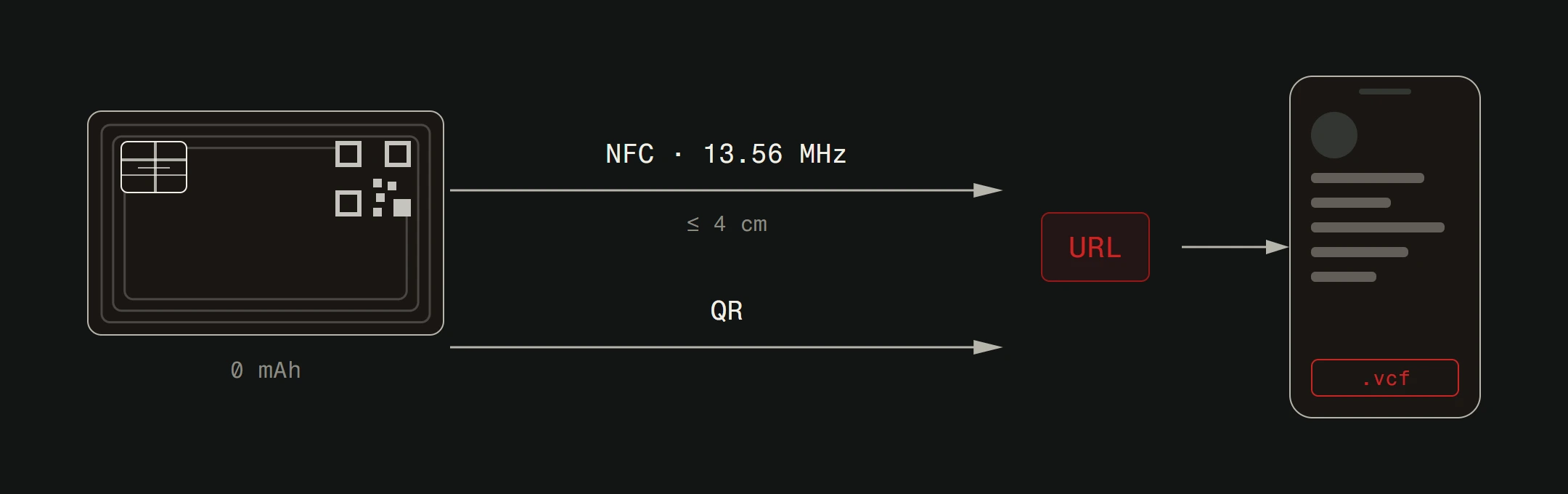
Works on all modern iPhones and Android devices. No app required. No setup on the recipient's end.
QR code
Printed right on the card. For phones that might not read NFC reliably, or for situations where you want to share remotely (like showing the code on a video call), the QR code provides a backup path to the same profile.
Two methods. One destination. You're always covered.
For more on QR codes specifically, see our guide on how to create a free QR code.
Real benefits, real numbers
Let's get specific about what the switch looks like:
Cost comparison. 500 paper cards: EUR 30-80. You reorder every time info changes, maybe 1-2 times per year. Over 5 years, that's EUR 150-800. One Version2 card: EUR 29.99. Once.
Contact retention. Paper cards: roughly 12% are kept and used. Digital cards: saved directly to phones, retention is near 100% for anyone who taps "Save Contact."
Info accuracy. Paper cards: wrong the moment anything changes. Digital cards: always current, updated in real time.
Networking speed. Paper cards: hand over, wait for them to read it, maybe they ask you to spell something. Digital cards: tap, done, move to the conversation.
Environmental impact. Paper cards: billions printed, most discarded. Digital cards: one PVC card per person, lasting years.
Who should make the switch?
Business professionals
If you attend meetings, conferences, or networking events, you're handing out business cards. Doing it digitally is faster, more impressive, and more effective.
Sales teams
Sales reps meet the most people. They also have the most to gain from analytics. Knowing who tapped your card and when gives you follow-up intel that paper cards never provide.
Freelancers
When you are your brand, first impressions carry extra weight. A custom-designed NFC card with a link to your portfolio speaks louder than a Vistaprint template.
Real estate agents
You meet new people constantly. Properties change. Your listings update. A digital card lets you link to your current portfolio and update it without reprinting.
Small business owners
Equip your team with branded cards that you can update centrally. New team member? Order one card, set up one profile. Someone leaves? Deactivate the profile. No waste.
Students and job seekers
Starting your career? A digital business card with your LinkedIn, portfolio, and resume link makes a stronger impression at career fairs than a paper card you designed in Word.
The Version2 difference
We build digital business cards that combine physical quality with digital intelligence.
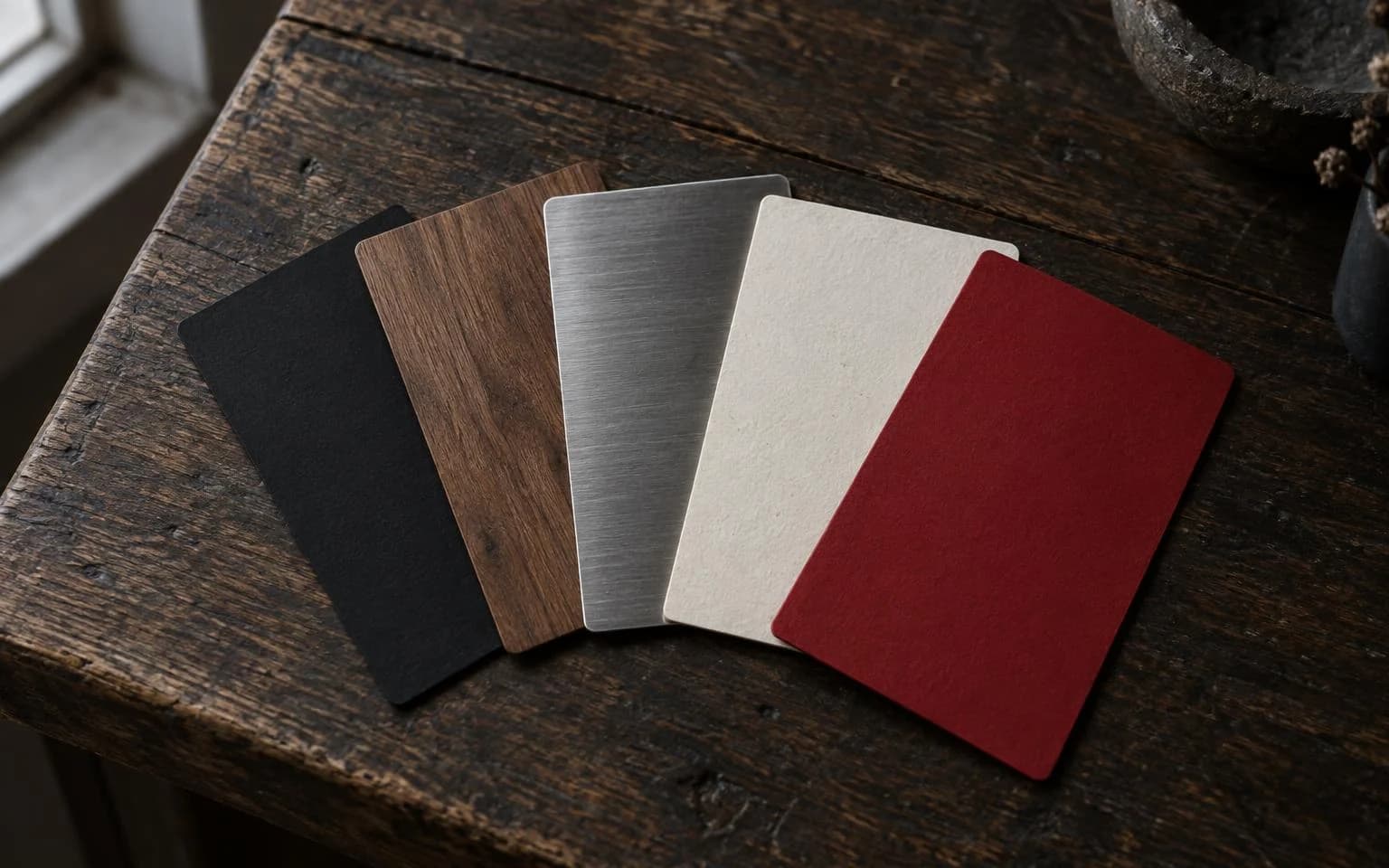
Your design, or one of ours. Send your own artwork, or start from one of our designs and we set it up with your details.
PVC durability. Solid cards that feel professional and last for years.
NFC + QR code. Dual sharing methods on every card.
Editable profiles. Change anything, anytime. No reprinting.
Analytics. Track taps, scans, and engagement.
Read what a Version2 digital business card includes.
See how Version2 cards compare to others in our breakdown of the best digital business card options.
Making the switch
Getting started is simple:
- Choose your card. Visit our digital business card page and pick the option that fits.
- Design it. Work with our team to create a card that matches your brand.
- Build your profile. Add your contact info, links, and bio.
- Receive and use. The card arrives at your door, programmed and ready.
Once production starts, estimated delivery is 7 to 14 business days. After that, you're set for years.
Stop reprinting paper cards that people throw away. Check out Version2 digital business cards and get a card that works as hard as you do.