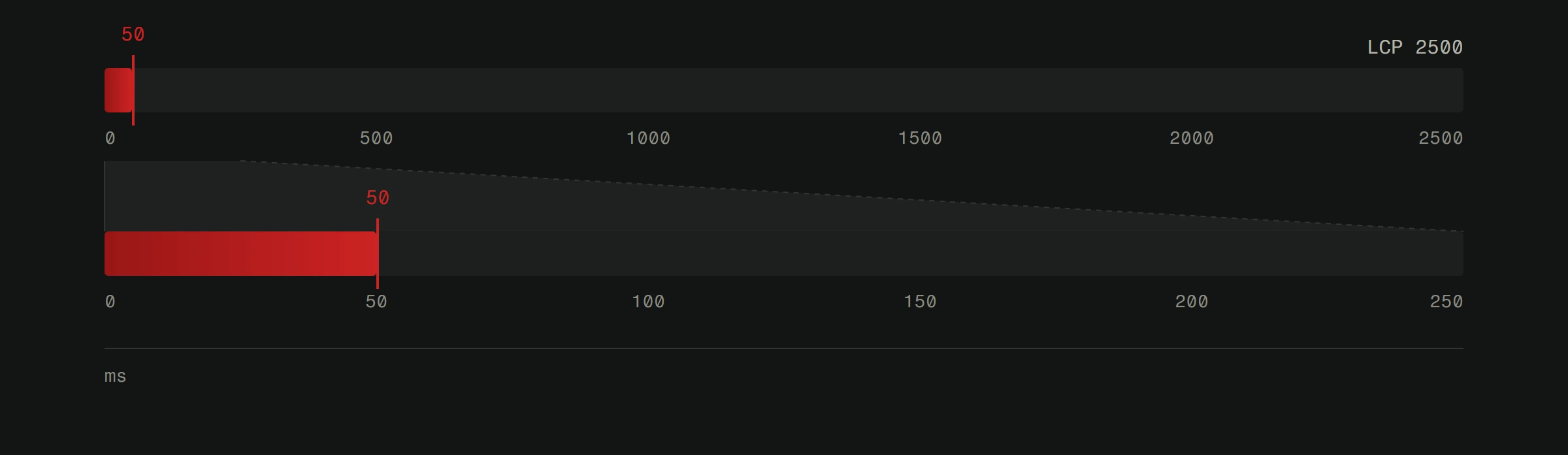
People decide if they trust your website in about 50 milliseconds. That's faster than a blink. Before they read a single word, their brain has already formed an opinion based on design, layout, and visual cues.
If your site looks like it was built in 2009, visitors assume your business is equally outdated. If it looks polished and professional, they assume your products and services are too. Fair or not, that's how it works.
Here's how to land on the right side of that snap judgment.
Design is the first trust signal
Nobody reads your "About Us" page before deciding if you're credible. They look at your site and feel it. Good design creates that feeling instantly.
What does "good design" actually mean for trust? It means visual consistency. Same fonts throughout. A cohesive color palette. Proper spacing between elements. No clashing styles that make the page look like five different people built it.
It means your site works perfectly on phones. Over 60% of web traffic is mobile. If your site is broken or awkward on a phone screen, you've lost the majority of your audience before they even start. Responsive design isn't a bonus feature. It's table stakes.
It means fast loading times. A site that takes 4 seconds to load feels broken. Visitors don't wait around to see if you're trustworthy. They bounce. Site speed and trust are directly connected.
And it means no stock photos of people in suits shaking hands. You know the ones. Everyone knows they're fake. Use real photos when possible. Authentic visuals beat polished fakeness every time.
Show real proof from real people
Saying "we're great" means nothing. Other people saying "they're great" means everything.
Testimonials work. But only the specific ones. "Great service!" is worthless. "They rebuilt our e-commerce site in 6 weeks and our conversion rate went up 34%" is gold. The more specific the testimonial, the more believable it is.
Case studies go even further. Show the problem, the process, and the result. Real numbers. Real outcomes. This is the kind of social proof that actually moves the needle.
Reviews from third-party platforms carry more weight than testimonials on your own site. Google Reviews, Trustpilot, Clutch. People know you can't fake those as easily.
If you have logos of companies you've worked with, display them. Brand recognition transfers trust. If someone sees a logo they recognize, your credibility goes up by association.
Make contact information impossible to miss
Sketchy websites hide their contact information. Or worse, they only have a contact form with no other way to reach a human.
Put your phone number, email, and physical address in the footer of every page. If you have a physical office, include it. If you have a Google Maps embed, even better. Real businesses have real addresses.
A dedicated contact page with multiple ways to reach you signals transparency. People might never actually call you. But knowing they could makes them trust you more.
This also applies to your "About" page. Show real team members with real photos and real names. Anonymous businesses feel like they have something to hide.
SSL, security badges, and technical trust
That little padlock in the browser bar matters more than you think. Visitors notice when it's missing. Chrome literally labels HTTP sites as "Not Secure." That's an instant trust killer.
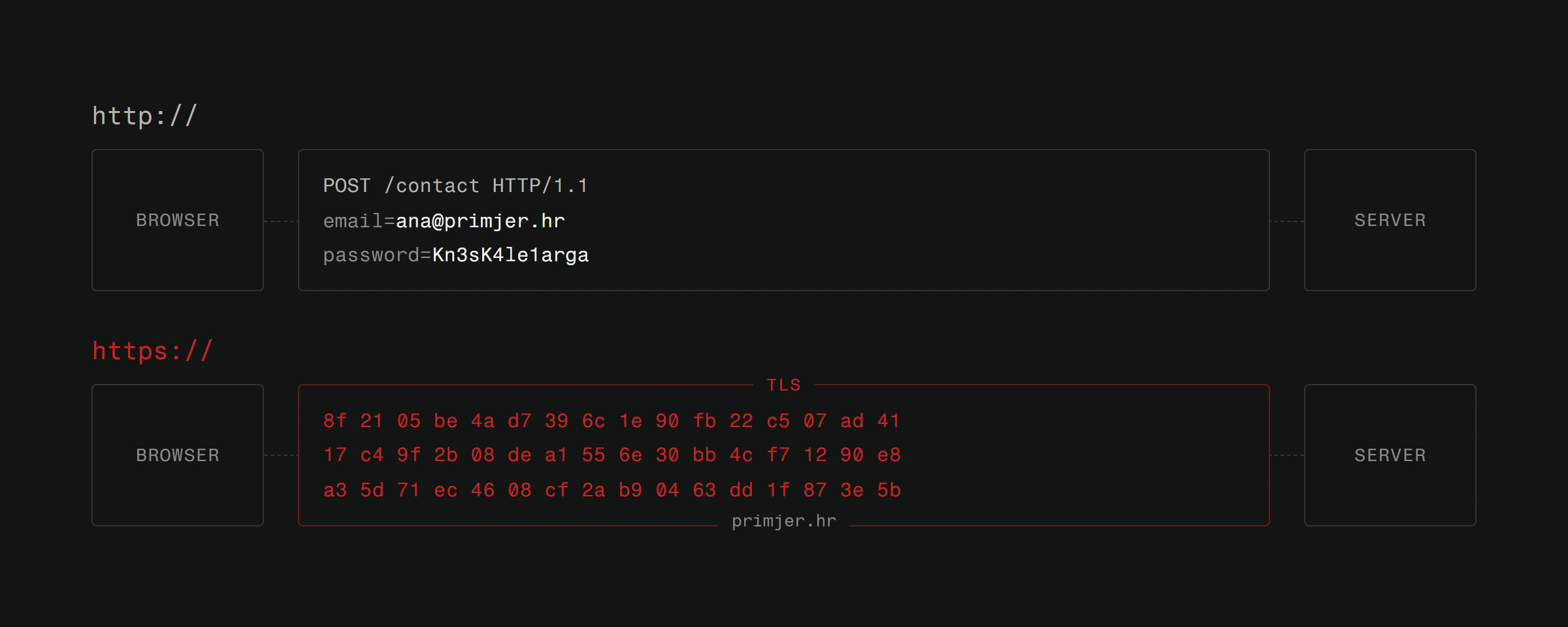
Beyond SSL, consider adding trust badges where they make sense. Payment processor logos on checkout pages. Industry certifications. Privacy seals. These work because they borrow trust from established brands.
Don't go overboard though. A footer covered in 15 different badges looks desperate. Pick the ones that matter most to your audience and display them prominently where they're relevant.
For a deeper look at keeping your site safe, read our guide on website security.
Content freshness signals life
A blog with the last post from 2021 tells visitors one thing: nobody's home. An outdated copyright year in the footer. Old news in a "Latest Updates" section. These small details erode trust.
Fresh content shows you're active, current, and invested. You don't need to blog weekly. But quarterly updates at minimum keep things looking alive.
This goes beyond blog posts. Product information should be current. Prices should be accurate. Team pages should reflect who actually works there. If someone reaches out to a team member who left two years ago, that's a bad experience.
Regularly updated content also helps your SEO, which brings more visitors, which builds more trust through increased visibility. It's a virtuous cycle.
Clear policies build confidence
People want to know the rules before they engage. A clear privacy policy explains what happens with their data. A straightforward return policy reduces purchase anxiety. Terms of service set expectations.
These pages don't need to be written in legalese. In fact, they shouldn't be. Write them in plain language. Explain what you do and don't do with customer information. Be specific about your refund process.
Cookie consent should be handled properly too. A well-designed cookie banner that lets people make real choices shows you respect their privacy. A dark-pattern popup that makes "Accept All" the only visible option does the opposite.
Navigation that makes sense
If people can't find what they're looking for, they don't trust that it exists. Confusing navigation isn't just a UX problem. It's a trust problem.
Keep your main navigation to 5-7 items maximum. Use clear labels that match what people actually search for. "Services" is better than "What We Offer." "Pricing" is better than "Investment Options."
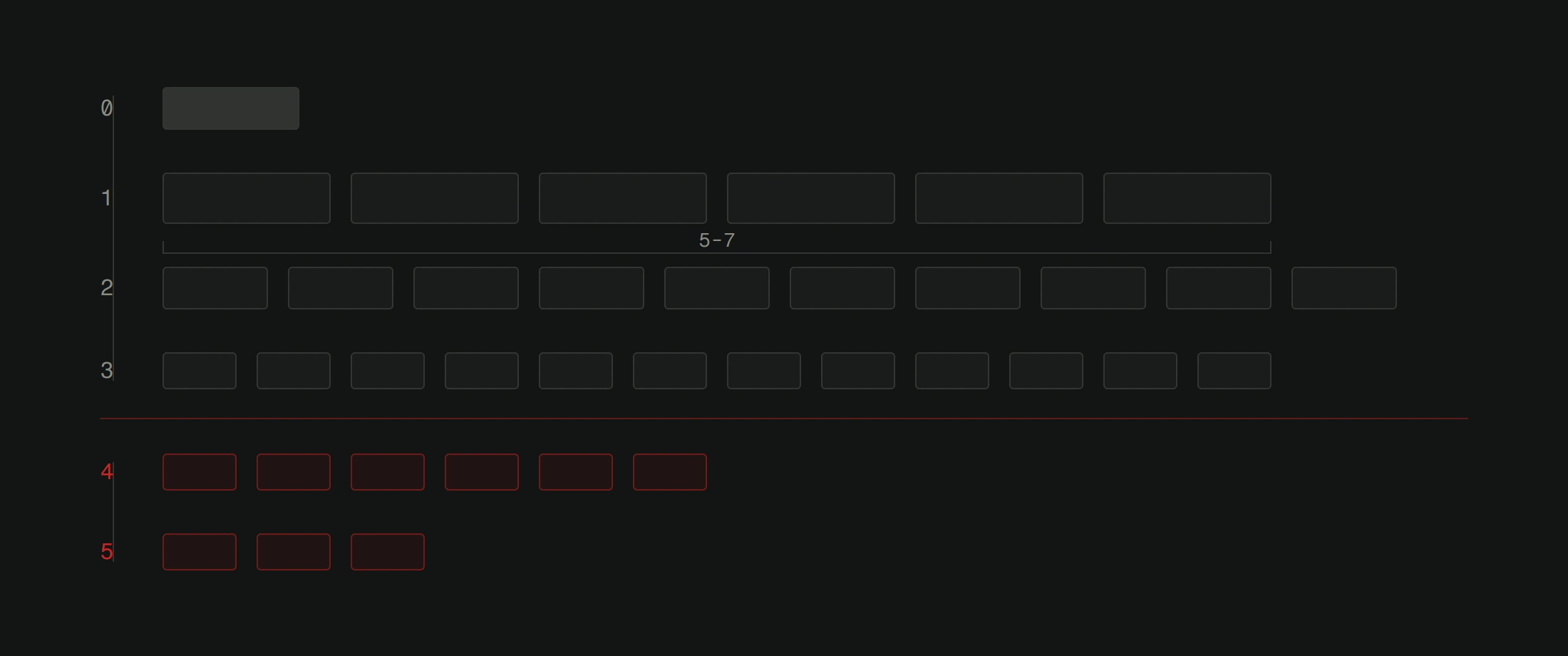
Make sure every page is reachable within 3 clicks from the homepage. Include a search function for content-heavy sites. And make your CTAs obvious so people always know what to do next.
Breadcrumbs help too, especially on larger sites. They show people where they are and how to get back. Small detail, big impact on confidence.
Performance is trust
This deserves its own section because it's that important. A slow website doesn't just annoy people. It makes them question your competence.
If your site can't load a page in 2-3 seconds, what does that say about your ability to deliver on bigger promises? Speed is a subconscious trust signal. Amazon found that every 100ms of latency cost them 1% in sales. Your visitors think the same way, even if the stakes are lower.
Optimize images. Minimize JavaScript. Use proper caching. Choose good hosting. These technical details directly impact whether people trust you enough to stick around.
Trust isn't built with a single element. It's the sum of dozens of small signals that all point in the same direction: "These people know what they're doing, and they care about doing it right." If your website isn't sending those signals, take a look at what we do and see if it fits.