
Your website is your best salesperson. Or your worst one. It depends on how well it is optimized.
A slow, confusing, or poorly structured site does not just annoy visitors. It costs you money. Every second of unnecessary loading time. Every confusing navigation choice. Every page that does not work on a phone. These are not minor annoyances. They are revenue leaks.
Here is how to plug them.
Speed is money
This is not a metaphor. Research consistently shows that every additional second of page load time reduces conversions by roughly 7%. On a site doing $10,000 a month, shaving one second off your load time could mean an additional $700 per month. Scale that up and the numbers get serious fast.
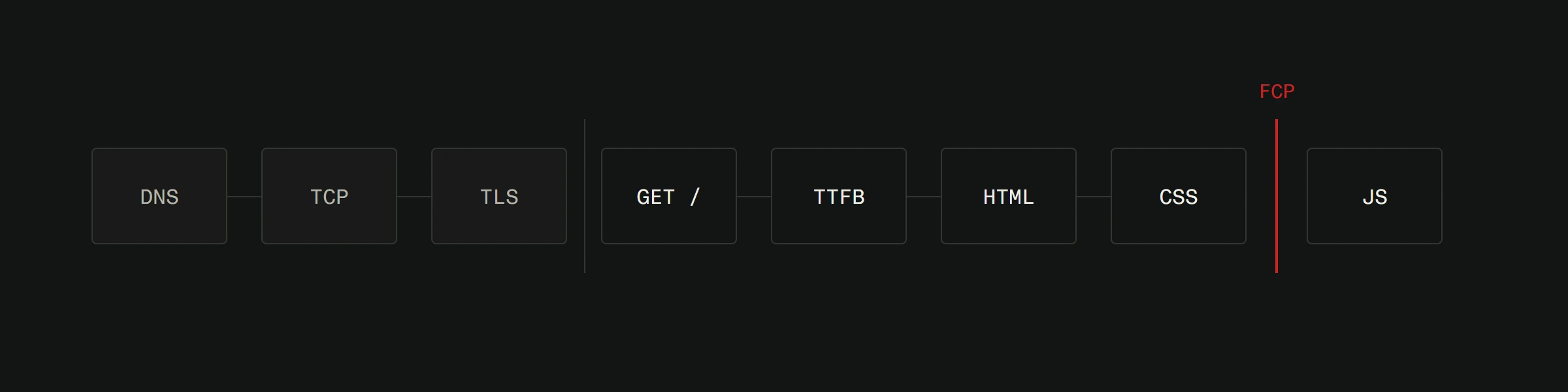
Users have zero patience for slow sites. If your page takes more than three seconds to load, roughly half your visitors leave before seeing anything. They do not wait. They hit the back button and click the next search result. That is a customer you paid to attract through ads or SEO, gone in seconds.
The fixes are well-documented. Compress and properly size your images. Minimize CSS and JavaScript. Use a content delivery network. Enable browser caching. Reduce server response time. None of this is glamorous work. All of it directly affects your revenue.
We wrote a full guide on why fast websites matter and another on how to optimize your site's speed. Both are worth reading if your site feels sluggish.
Mobile optimization is not optional
More than half of all internet traffic comes from mobile devices. In e-commerce, that number is even higher. If your site does not work well on a phone, you are ignoring the majority of your potential customers.
"Works on mobile" and "works well on mobile" are different things. A responsive site that technically displays on a phone but has tiny buttons, text you have to pinch-zoom to read, and forms that are painful to fill out is not optimized. It is just not completely broken.
True mobile optimization means designing the purchasing journey for thumbs. Large touch targets. Simplified navigation. Streamlined checkout flows. Forms with appropriate input types so the right keyboard appears. Auto-fill enabled so returning customers can move fast.
Test your checkout process on a phone. Actually do it. Pull out your phone right now and try to buy something from your own site. If any step is frustrating, your customers feel that frustration too. Except they have the option to leave.
SEO gets people to your door
You can have the best-optimized, most beautifully designed website in the world. If nobody finds it, it does not matter.
Search engine optimization is what gets potential customers to your site in the first place. It is the difference between paying for every visitor through ads and having them arrive organically because your site ranks for the terms they search.
Keywords matter, but specificity matters more. Ranking for "shoes" is nearly impossible. Ranking for "handmade leather boots Zadar" is achievable and those visitors are much closer to buying. Long-tail keywords attract people who already know what they want.
Technical SEO is the foundation. Your site structure, page speed, mobile-friendliness, meta descriptions, heading hierarchy, and internal linking all affect how search engines understand and rank your content. Ignore the technical side and no amount of great content will save your rankings.
Backlinks build authority. When reputable sites link to yours, search engines treat it as a vote of confidence. Earning backlinks takes effort. Guest posts, valuable content that others want to reference, industry partnerships. There are no shortcuts worth taking.
For a more thorough look, check out our SEO services and how they connect to overall site performance.
UX is your silent salesperson
User experience is where optimization meets psychology. A well-designed user flow guides visitors from curiosity to purchase without them feeling pushed.
Navigation should be obvious. If a user has to think about how to find your products or services, your navigation has failed. The path from landing page to purchase should be as short and clear as possible.
Calls to action should be specific. "Learn More" is vague. "See Pricing" tells the user exactly what happens next. "Get Your Free Quote" gives them a reason to click. Specific CTAs convert better because they set clear expectations.
Trust signals reduce friction. Testimonials, reviews, case studies, security badges, clear return policies. These do not just look nice. They address the anxieties that stop people from buying. Place them near decision points, not buried on a separate page.
Remove unnecessary steps. Every additional form field, every extra page in the checkout process, every required account creation is a point where users drop off. Audit your conversion funnel and eliminate anything that does not absolutely need to be there.
Content that sells without being salesy
Your content should help users make decisions. Not pressure them. Not overwhelm them with marketing speak. Just give them the information they need to feel confident about buying.
Product descriptions should be specific and honest. What does the product do? Who is it for? What makes it different? Answer these questions clearly and you have done more than most competitors.
Blog content builds authority and catches search traffic for questions your customers are asking. The post you are reading right now is an example. It is not a sales pitch. It is useful information that happens to come from a web development company that can help you implement it.
Update your content regularly. A blog that has not been touched in a year signals neglect. Fresh, relevant content tells both users and search engines that your business is active and current.
Measure, fix, repeat
Optimization is not a one-time project. It is an ongoing process. The sites that consistently outperform their competitors are the ones that continuously measure, analyze, and improve.
Set up proper analytics. Track not just traffic, but the path users take through your site. Where do they enter? Where do they leave? Which pages produce conversions and which ones have high bounce rates?
Run A/B tests on important pages. Test different headlines, different CTA placements, different page layouts. Let the data tell you what works instead of guessing. Small improvements compound over time.
Review your metrics monthly at minimum. Quarterly is too slow. The web moves fast and user expectations shift. What worked six months ago might be underperforming now.
Your website should pay for itself
A properly optimized website is not a cost center. It is a revenue generator. Every dollar spent on speed improvements, mobile optimization, SEO, and UX refinement should come back multiplied through increased conversions.
If your website is not actively helping you sell, something is wrong. And the good news is that the problems are almost always fixable.
Want to find out where your site is losing money? Start with our free website analysis or explore how our web design services are built around conversion from day one.