Every business owner has heard they "need SEO." Most nod along, pay someone to sprinkle keywords on their pages, and wonder why nothing changes six months later. That's because SEO marketing isn't a tactic you bolt on. It's a way of building your entire web presence so that search engines can't ignore you.
Let's break down what actually works and what's a waste of your time.
What SEO marketing really is
SEO marketing is the practice of getting your website to appear in organic (unpaid) search results for terms your potential customers actually search. The word "organic" matters. You're not buying ads. You're earning visibility.
That earning part is why most businesses struggle with it. SEO rewards patience, consistency, and genuine quality. There's no shortcut that doesn't eventually backfire.
If you're new to the concept entirely, start with our SEO basics guide before diving deeper here.
The four pillars of SEO marketing
SEO has a lot of moving parts, but they group into four main areas. Ignore any one of them and you'll underperform.
1. Keyword research
Everything starts with understanding what people type into Google. Not what you think they search for. What they actually search for. These are often different things.
A dentist in Zadar might assume people search "dental services Zadar." But the actual search data might show "zubni implantati cijena zadar" (dental implant price Zadar) gets 10x more searches. That gap between assumption and reality is where keyword research earns its keep.
Tools to use: Google Keyword Planner (free), Ubersuggest (freemium), Ahrefs or Semrush (paid, more powerful). We go deeper on this in our keywords guide.
Focus on search intent, not just volume. A keyword with 50 monthly searches but clear buying intent will outperform one with 5,000 searches but vague intent.
2. On-page SEO
This is everything on your actual website that affects rankings. The stuff you have direct control over.
Title tags: The single most important on-page element. Include your target keyword. Keep it under 60 characters. Make it compelling enough that someone actually wants to click.
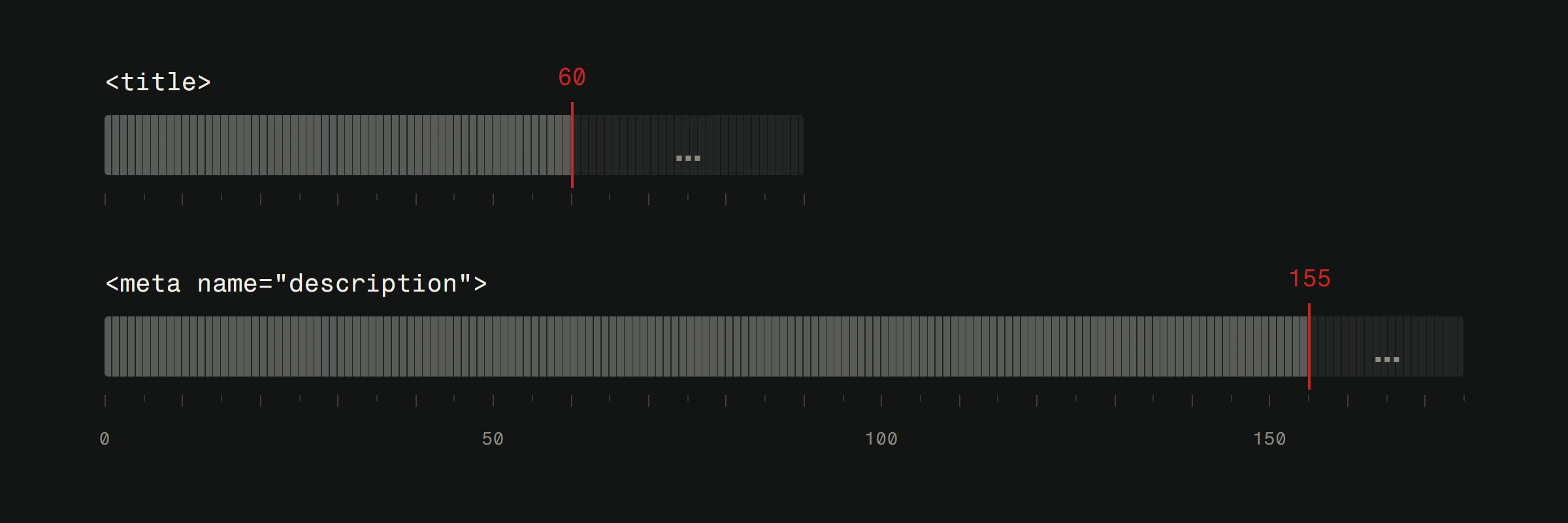
Meta descriptions: Don't directly affect rankings, but affect click-through rate, which does. Write them like ad copy. 155 characters max.
Content quality: Google's Helpful Content system penalizes thin, generic content. Every page needs to answer a question better than competing pages. If you can't explain why your page deserves to outrank page one results, it probably won't.
Internal linking: Connect your pages to each other with descriptive anchor text. This distributes authority across your site and helps Google discover content. Most sites massively underuse this.
Header structure: One H1, logical H2/H3 hierarchy. This isn't just for SEO. It makes your content scannable for real humans who skim before they read.
If you want a comprehensive walkthrough, check our SEO checklist.
3. Off-page SEO
This is everything that happens outside your website that affects your rankings. Primarily, that means backlinks.
When another website links to yours, Google treats it as a vote of confidence. But not all votes are equal. A link from a respected news site carries far more weight than a link from a random directory nobody visits.
Building quality backlinks is the hardest part of SEO. It requires creating content worth linking to, then actively promoting it. Guest posting, digital PR, creating original research or tools that others reference. Learn more about how backlinks work and why they matter.
What doesn't work anymore: buying links, spamming blog comments, link exchanges. Google's spam detection has gotten very good. These tactics now carry real risk.
4. Technical SEO
The invisible foundation. If your technical SEO is broken, nothing else matters.
Page speed: Google uses Core Web Vitals as ranking factors. If your site takes 5 seconds to load, you're losing both rankings and visitors. Our speed optimization guide covers the specifics.
Mobile responsiveness: Over 60% of searches happen on phones. Google uses mobile-first indexing, meaning it primarily looks at your mobile version. If your site isn't fully responsive, you're invisible to the majority of searchers.
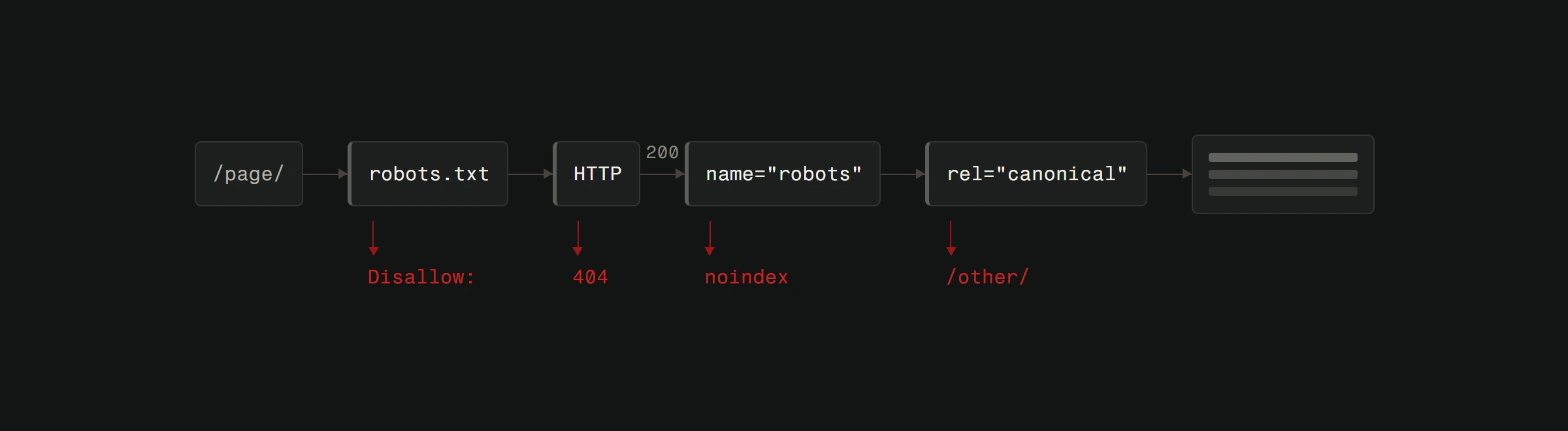
Crawlability: Can Google actually find and index your pages? Broken links, orphaned pages, incorrect robots.txt rules, missing XML sitemaps. These silent issues block Google from seeing content you've spent time creating.
HTTPS: Non-negotiable. If your site still runs on HTTP, fix that before touching anything else.
SEO vs. paid ads: Why not both?
A common question: why invest months in SEO when you can buy Google Ads today?
Paid ads stop the moment you stop paying. SEO compounds over time. A blog post that ranks well can drive traffic for years without additional investment. The cost per click on paid ads in competitive industries can be 5 to 15 euros. An SEO-driven page reaching the same audience costs nothing per click once it ranks.
The smart approach is using paid ads for immediate visibility while building SEO for long-term sustainability. As your organic traffic grows, your ad dependency shrinks.
How long does SEO take?
Honest answer: 3 to 6 months for measurable results. 6 to 12 months for significant traffic growth. That timeline frustrates people, but it's reality.
Beware anyone promising page one rankings in 30 days. They're either targeting keywords nobody searches for or using tactics that will get your site penalized.
The businesses that win at SEO are the ones that treat it as an ongoing practice, not a one-time project. Publish consistently. Update old content. Build links steadily. Monitor your analytics and adapt.
Where most businesses go wrong
After years of doing this, these are the mistakes we see most often:
Targeting vanity keywords. Ranking for "best website" means nothing if your customers search "web stranica za restoran." Target terms with commercial intent relevant to your business.
Ignoring existing content. Most sites have pages that could rank with minor updates. Refreshing an old blog post is often faster than writing a new one from scratch.
No measurement. If you're not tracking rankings, traffic, and conversions, you can't improve. Set up Google Search Console (free) and review it monthly at minimum.
Treating SEO as separate from the website. SEO should be part of how your site is built from day one. Retrofitting it is always harder and more expensive.
Not sure where your site stands? Our free website analysis breaks down your SEO performance across all four pillars. No fluff, just data you can act on.