
You built a website. It looks good. Nobody can find it on Google.
That's the problem SEO solves. Search Engine Optimization is the practice of making your website visible to people searching for what you offer. Not through paid ads. Through organic search results that keep working long after you stop paying.
How search engines actually work
Google sends bots (called crawlers or spiders) to visit your website. These bots read your pages, follow your links, and store your content in an index, a database of billions of web pages.
When someone searches "web design Zadar" or "best restaurant near me," Google doesn't search the live web. It searches its index. Then it runs your query through a ranking algorithm that considers hundreds of signals to decide which pages deserve the top spots.
Your job is to make sure your site is indexed correctly and ranks well for the searches that matter to your business.
Those ranking signals boil down to three areas: is your site technically sound, is your content relevant to the search query, and do other sites trust you enough to link to you? Get all three right and you compete. Miss one and you're invisible.
The three types of SEO
Technical SEO
This is the foundation. If your site is slow, broken, or hard to crawl, nothing else matters.
Technical SEO covers:
- Page speed. Every second of load time costs you visitors. Google measures Core Web Vitals and uses them in ranking. Here's how to speed up your site.
- Mobile responsiveness. More than 60% of searches happen on phones. If your site doesn't work on mobile, Google notices.
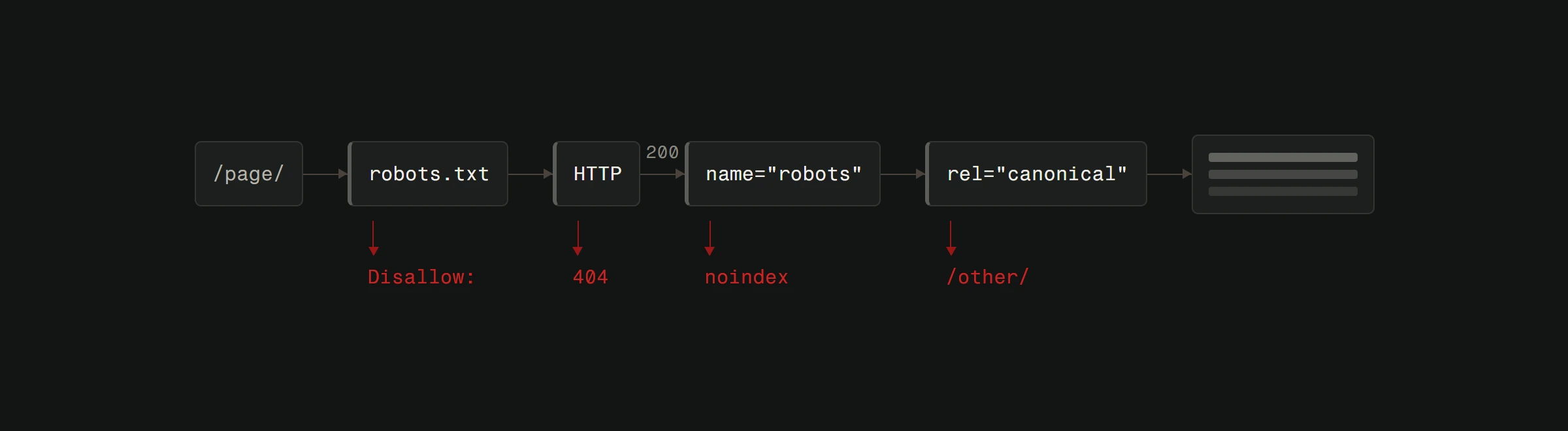
- Site structure. Clean URLs, proper heading hierarchy, XML sitemap, robots.txt. The basics that many sites get wrong.
- Security. HTTPS is mandatory. No exceptions.
On-page SEO
This is about content. Every page should target specific keywords and answer specific questions.
Key elements:
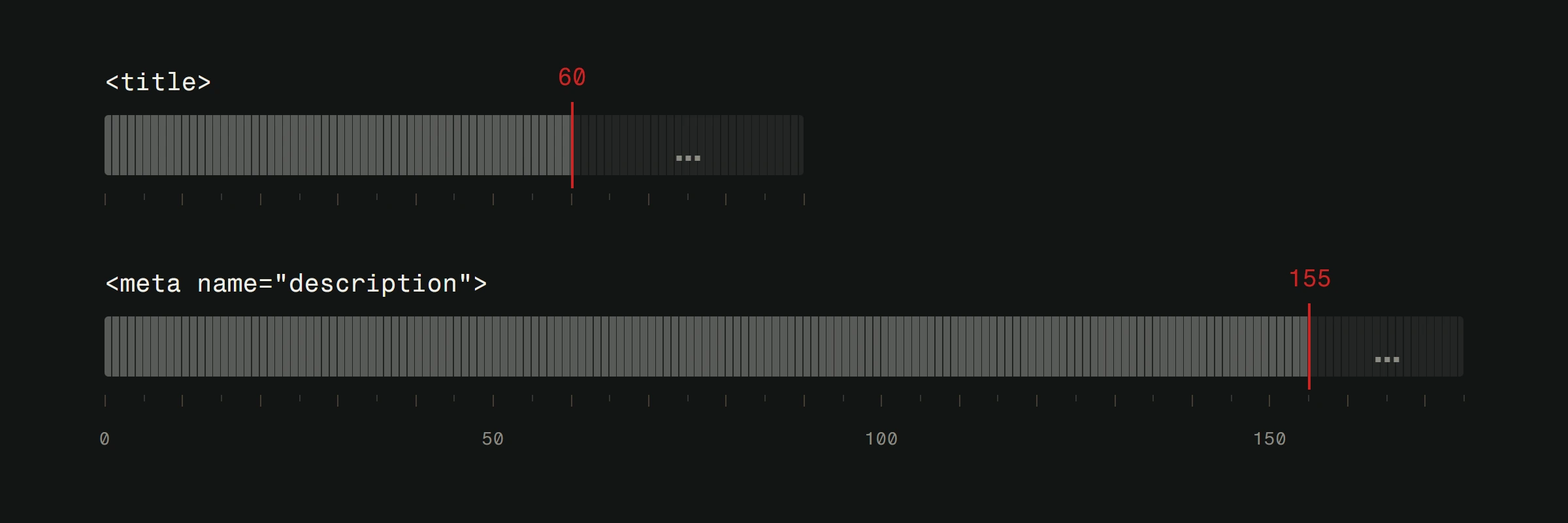
- Title tags. Keep them under 60 characters. Make them specific to the page.
- Meta descriptions. Your pitch in 160 characters. Not a direct ranking factor, but it affects click-through rates.
- Headings. H1 for the main topic, H2s for sections. They're structure, not decoration.
- Content quality. Write for humans first. If your content genuinely helps people, Google will notice.
Our full SEO checklist covers on-page in detail.
Off-page SEO
Backlinks are votes of confidence. When reputable sites link to yours, Google treats it as a signal that your content is worth reading.
How to earn backlinks:
- Create content worth linking to. Guides, original data, useful tools.
- Get listed in relevant business directories.
- Build relationships with other businesses in your space.
- Guest post on industry-relevant blogs.
More on backlinks and why they matter.
SEO myths that won't die
"SEO is a one-time thing." No. Google updates its algorithm thousands of times per year. Your competitors publish new content. Your rankings aren't permanent. SEO is ongoing maintenance, like keeping a car running.
"More pages means better rankings." Publishing 50 thin, useless pages hurts more than it helps. Google rewards depth and relevance. Ten well-written pages outperform a hundred lazy ones.
"Meta keywords still matter." Google has officially ignored the meta keywords tag since 2009. If someone is selling you "keyword optimization" by stuffing meta keyword tags, find someone else.
"You need to submit your site to Google." Google will find you through links and your sitemap. Manual submission through Google Search Console can speed things up, but it's not required. Focus on making your site crawlable.
How long does SEO take?
Honestly? Three to six months for most markets. Sometimes longer for competitive keywords. A brand new domain with no backlinks will take longer than an established site making improvements.
Anyone promising page 1 in 30 days is either lying or doing something that will get your site penalized. SEO is a long game. The results compound over time. A well-optimized page can bring traffic for years without paying for a single ad.
Common mistakes that kill your rankings
- Stuffing keywords. Google is smarter than that. Write naturally.
- Ignoring local search. If you serve a local market, your Google Business Profile matters more than you think. Set it up properly.
- Neglecting speed. A 3-second load time loses 53% of mobile visitors.
- Not tracking results. If you're not measuring, you're guessing. Use Google Search Console. It's free.
- Expecting instant results. SEO rewards patience and consistency.
When to do it yourself vs. hire someone
If you have time to learn and your market isn't highly competitive, you can handle basic SEO yourself. Google's own documentation is a solid starting point. A free website analysis can show you where you stand and what to prioritize first.
If you're in a competitive market, your site has technical issues, or you'd rather spend time running your business, hire someone who does this daily. The ROI on professional SEO work is hard to beat when done right. If you're wondering what that investment looks like, our breakdown of SEO pricing covers the real numbers.
We do SEO for businesses. Want to know where your site stands? Get a free website analysis. No pitch. Just a straight report.