
A useful website quote describes what will be delivered. Page count alone cannot tell you whether the price includes content, languages, payments, connections to other systems or care after launch. Start by comparing the same scope.
Why "it depends" is actually honest
A presentation site, a shop and a client portal solve different problems. The quote should name the required pages, user roles and important actions. Existing content and reusable page layouts can reduce work; migrating a catalogue or connecting an older system can add it. A firm quote becomes useful once these assumptions are explicit.
The real cost drivers
The main questions are practical: how many different layouts are needed, who prepares the text and images, which languages are included, and what must happen after a form or order is submitted? For a shop, also specify product variants, delivery rules, stock and payment handling. The web-development page explains these types of work; the project preparation guide helps you assemble the brief.
Realistic price ranges in 2026
We do not have a current market survey that supports one universal price range. Our own current figures are on the pricing page, where the calculator combines scope, features and delivery choices. Use that result for a Version2 project rather than a number copied into an older article. A published starting price describes its included scope, not every possible build.
What's NOT included (but should be discussed)
Separate the build from recurring costs. Ask which hosting, domain renewals, licences, payment-provider charges and maintenance are included, optional or billed by another provider. Record who owns the domain and who administers each account. Provider-managed hosting can be a valid arrangement; the important details are responsibility, access and a clear handover process. Our care plans describe the continuing work separately.
Website vs. web shop: The price gap explained
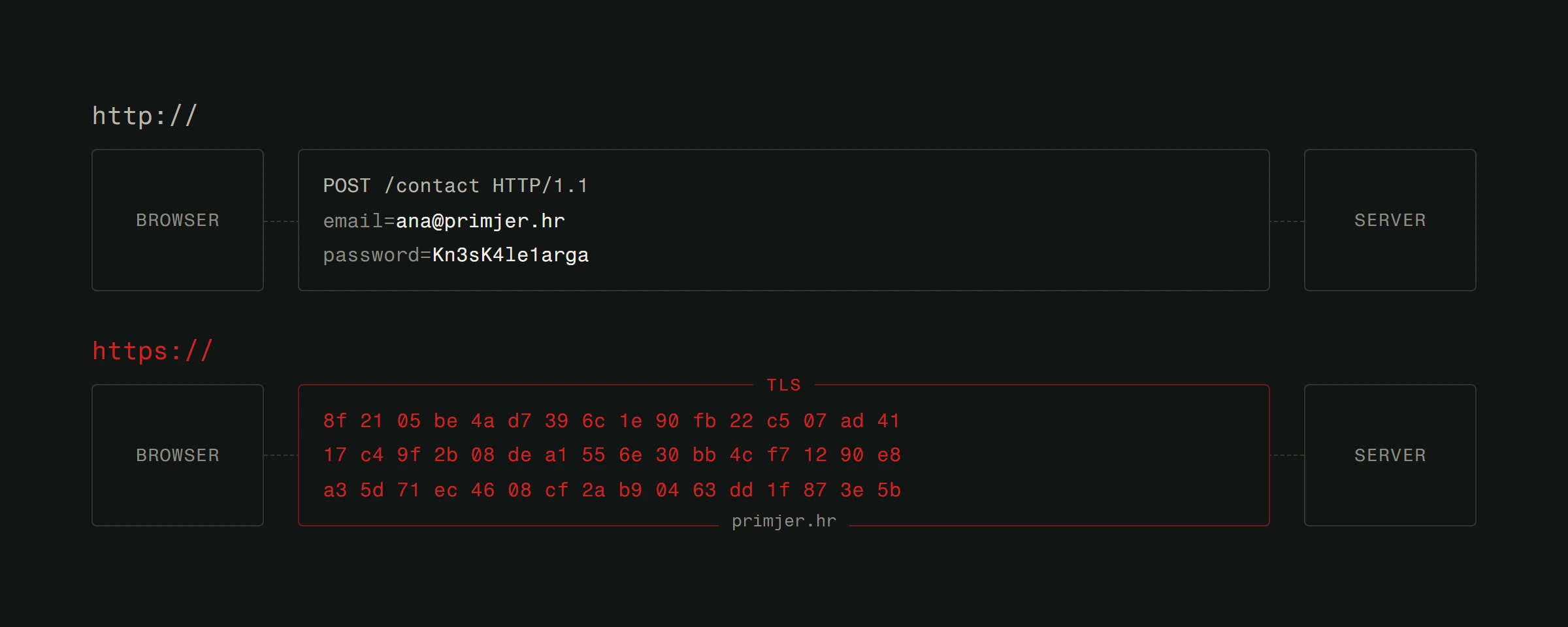
A shop adds operational flows: prices, stock, orders, payment confirmation, delivery and refunds. Their complexity determines the effort. A small shop can share an entry price with another project type when its scope is bounded. HTTPS is a baseline for both shops and presentation sites; a more expensive quote does not by itself prove stronger security.
Red flags when getting quotes
Ask for included deliverables, acceptance criteria, responsibilities and the treatment of changes. Check how forms and payments will be tested and which search-engine migration work is included. A platform name or design label alone is not enough to compare quality. Request examples of relevant work and ask which parts the team actually delivered.
How to get better value
Define the first version around the tasks that matter now, then price later additions separately. Agree who supplies content and who can approve decisions. Our portfolio shows completed work; the pricing calculator lets you compare scope choices before requesting a quote. Keep the written scope alongside the price when choosing an offer.