Most web companies will tell you to redesign your website every two to three years. That advice is suspiciously convenient for the people selling redesigns.
The truth is more nuanced. Some websites need a redesign after 18 months. Others hold up for five years with minor updates. The timeline depends on what your site actually does, who it serves, and whether the underlying tech still holds up.
Here is how to figure out which camp you fall into.
The real triggers for a redesign
Forget the calendar. A redesign should be driven by problems, not by some arbitrary schedule. These are the signals that actually matter.
Your conversion rate is declining. If fewer visitors are turning into leads or customers, something is broken. Maybe the user experience has degraded. Maybe the design no longer matches what your audience expects. Either way, the numbers tell the story.
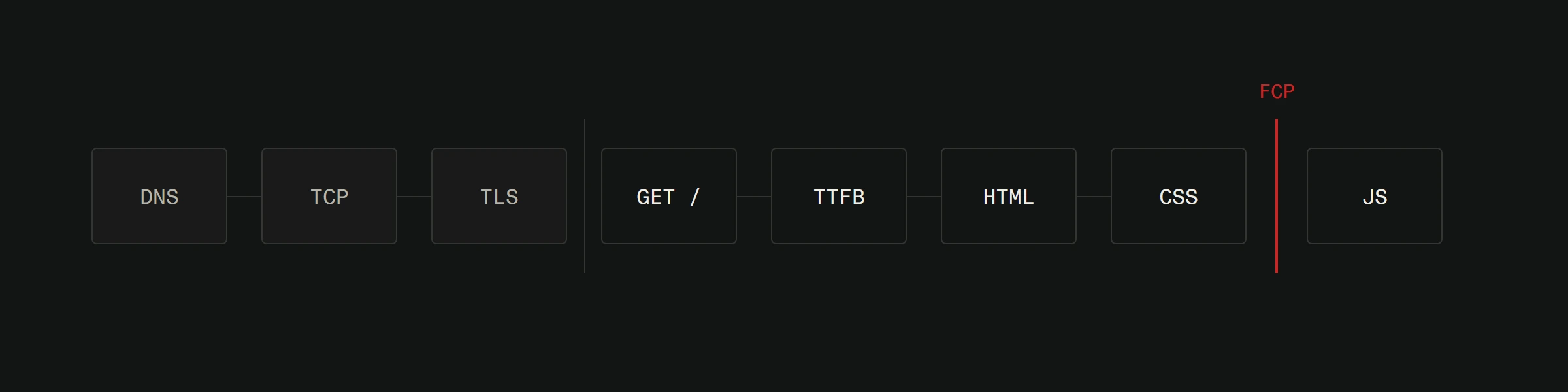
Your site is slow. Page speed directly affects both user satisfaction and search rankings. If your site takes more than two or three seconds to load, you are bleeding visitors. Sometimes a speed optimization pass is enough. But if the slowness is baked into the architecture, a rebuild is the only fix.
Your business has fundamentally changed. New services. New target audience. A merger. A pivot. If your brand has evolved but your website still reflects who you were three years ago, there is a disconnect. Your site should represent the company you are now. A website performing at 70% that does not match the premium quality of what you sell creates a credibility gap that costs you business.
The tech stack is holding you back. WordPress plugins from 2019 that nobody maintains. A page builder that cannot do what you need. Security vulnerabilities piling up. If your developers spend more time fighting the platform than building features, the foundation needs replacing.
Mobile experience is painful. More than half of web traffic comes from phones. If your site was designed desktop-first and responsiveness was bolted on as an afterthought, mobile users are suffering. A proper responsive design needs to be built from the ground up.
What a redesign actually involves
A website redesign is not a fresh coat of paint. If all you need is updated colors and a new hero image, that is a refresh. Different thing entirely.
A real redesign means rethinking the information architecture. It means questioning every page and asking whether it earns its place. It means rebuilding navigation based on what users actually do, not what you assume they do.
Good redesigns start with data. Analytics show you where people drop off. Heatmaps show you where they click. User feedback tells you what frustrates them. Without this data, you are guessing. And guessing is expensive.
The technical side matters just as much. A redesign is your chance to clean up the code, adopt a better framework, improve performance, and fix the SEO issues you have been ignoring. Our overview of the technical foundations of great web design covers the engineering decisions that make or break a redesign. Treat it as an engineering project, not just a design exercise.
When a redesign is overkill
Not every problem requires tearing everything down. Here is when a targeted update makes more sense.
Your content is outdated but the structure works. Rewrite the copy. Update the images. Refresh the case studies. You do not need a new website for that.
You want to follow a visual trend. Trends come and go. Chasing them with full redesigns is a waste of money. If your site is functional, accessible, and converting well, a trending gradient or animation style is not worth the investment.
Your competitor just redesigned. This is not a reason. Their redesign might have been driven by problems you do not have. Focus on your own metrics.
Someone on the team is bored of the design. Internal fatigue is real. You see your own website every day. Your customers do not. They care about whether it works, not whether you are tired of looking at it. If you want to stay current without a full rebuild, understanding the web design trends that actually matter helps you decide which changes are worth making incrementally.
The maintenance approach
The best strategy is to avoid needing a massive redesign in the first place. Treat your website like a product, not a project.
Run quarterly performance audits. Check page speed, mobile usability, and conversion rates. Fix small issues before they compound into big ones.
Update content regularly. A blog that has not been touched in six months signals neglect. Fresh, useful content keeps users coming back and keeps search engines happy.
Monitor your tech stack. When a framework drops long-term support or a critical plugin stops getting updates, plan your migration early. Do not wait for something to break.
This incremental approach means that when you do eventually redesign, it is a strategic evolution. Not a panicked overhaul because everything fell apart at once.
How to plan a redesign that actually works
If you have determined that a redesign is genuinely needed, here is how to set it up for success.
Define measurable goals. "We want a modern-looking website" is not a goal. "We want to increase lead form submissions by 30%" is a goal. Every design decision should tie back to something you can measure.
Audit what works. Not everything needs to change. Identify the pages and flows that perform well and protect them. Redesigning your best-performing landing page just because everything else is changing is self-sabotage.
Plan the migration. URL structure, redirects, SEO equity, existing content. A redesign that tanks your search rankings because nobody planned the 301 redirects is a failure, no matter how good it looks.

Budget for iteration. The site you launch is version one. Plan to spend the first three months after launch refining based on real user data. The best redesigns are not finished on launch day.
The bottom line
A website redesign is a significant investment. It should be driven by evidence, not by trend cycles or gut feelings. When the data says your site is underperforming and targeted fixes cannot solve the problem, it is time. When the data says things are working, leave it alone and focus on incremental improvements.
Your website is a tool. Tools get replaced when they stop doing the job. Not before.
Wondering whether your site needs a redesign or just a tune-up? Get a free website analysis and we'll tell you exactly what's working, what isn't, and what the right move is.