A website analysis should give you a short, evidenced list of problems and useful next steps. A test score alone does not explain why enquiries are low or prove what Google has indexed. The report needs to separate observations from assumptions.
What we actually look at
A developer reviews the public site, using automated checks where they help. We examine page titles and descriptions, navigation, mobile use, loading, images and public crawl controls. Useful evidence names the affected URL and shows the problem.
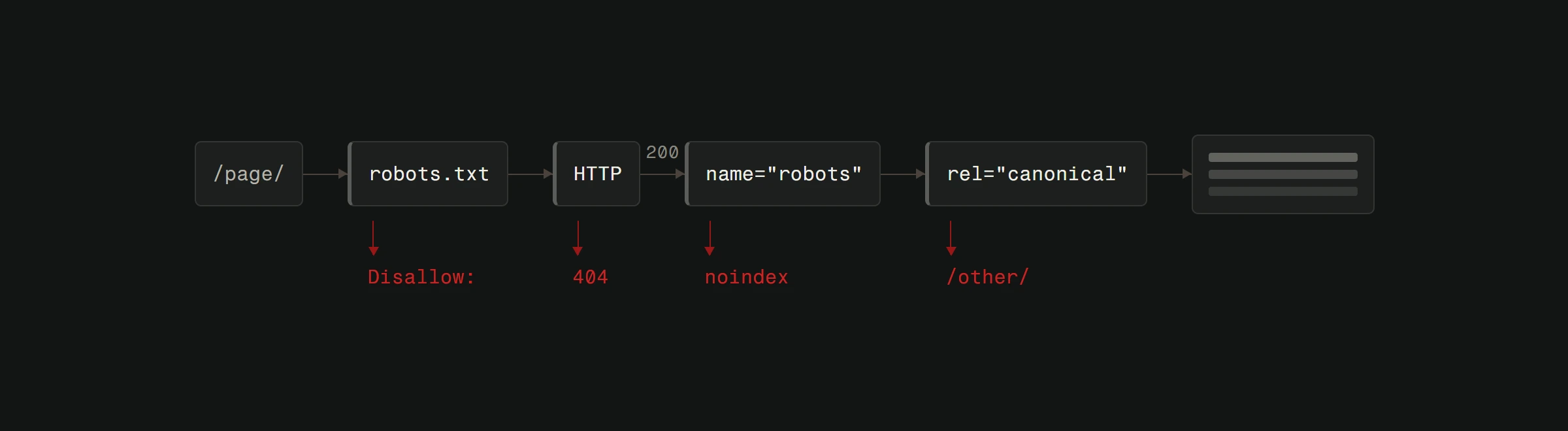
For speed, we distinguish a controlled test from real-user data. For images, we check size and purpose: meaningful images need useful alternatives, while decorative images can have empty alt text. For search, a crawlable page with a canonical is technically prepared, but this does not prove indexing. Google’s starter guide explains that distinction.
Keyword research and private Search Console or analytics reports require separate access and scope. The public-site review cannot establish traffic trends or sales attribution on its own.
Common problems
Examples of actionable findings are a contact form that reports success after an error, a menu that hides essential links on a phone, an important image that downloads at an unnecessarily large size, or an old URL that redirects to unrelated content. These are examples of what we check, not claims about your site.
Missing descriptions and weak explanations may deserve editorial work. They do not by themselves prove a ranking loss. A site also does not need a blog solely to appear active. The relevant question is whether its pages answer what potential customers need to know. Our speed guide and SEO checklist show how those checks fit together.
What happens after the analysis
The report explains what was found, the supporting evidence, why it matters and what to address first. A reproduced failure should be distinguished from a recommendation to investigate. You can use the report with your current developer or discuss the work with us.
The free website analysis page gives the current delivery terms and request form. A completed analysis is not the same as implemented fixes, a complete security audit or a guarantee of higher rankings.
Why we offer this for free
A concrete review helps determine whether a site needs a small correction, a content update or a larger development project. The report should help you make that decision even if you do not commission further work. When ongoing search work is appropriate, our SEO service describes that separate scope.