Page one of Google gets over 90% of all search traffic. Page two gets scraps. If your business website sits on page two or beyond, you're essentially invisible to the people searching for what you offer.
But here's what most "get to page one" articles won't tell you: it's not one tactic. It's not a secret. And it's not fast. Ranking on page one is the result of doing many things consistently well over months. There's no shortcut that doesn't eventually backfire.
Here's what the process actually looks like.
Step 1: Pick fights you can win
The biggest mistake businesses make is targeting keywords they have zero chance of ranking for. A new website targeting "web design" (a keyword dominated by Wikipedia, major publications, and established companies) is wasting effort.
Instead, be strategic about keyword selection.
Start with long-tail keywords. "Web design Zadar" is far more achievable than "web design." Lower search volume, but the traffic that comes is highly targeted. These visitors are closer to making a decision.
Use tools to assess difficulty. Tools like SEMrush or Ahrefs show keyword difficulty scores. If you're a newer site with a low domain rating, target keywords with difficulty scores under 30. Build authority gradually, then go after bigger terms.
Check who's currently ranking. Search your target keyword. If the top 10 results are all from massive sites with thousands of backlinks, pick a different keyword. If you see smaller sites ranking, that's your opening.
Step 2: Create content that deserves to rank
Google's entire business model depends on showing users the best result for their query. Your content needs to be that best result.
This means going beyond surface-level coverage. If someone searches "how to improve website SEO," they want a real guide. Not 300 words of generic advice. They want specific steps, tool recommendations, examples, and honest assessments of what works.
Match the search intent. If the top results for your keyword are all how-to guides, write a how-to guide. If they're comparison pages, write a comparison. Don't fight the format Google has already decided works for that query.
Add original value. What do you know from experience that a generic article doesn't cover? Include real examples from your work. Share specific numbers. Offer opinions backed by evidence. This is what sets your content apart from AI-generated filler.
Update regularly. Content decays. Statistics get outdated. Tools change. Google notices when content gets stale. Set a calendar reminder to review and update your key pages every 6 months.
Step 3: Fix the technical foundation
Great content on a technically broken site is like putting a billboard in a dark alley. Nobody sees it.
Technical SEO issues that kill rankings:
- Slow load times. If your page takes more than 3 seconds to load, over half of mobile visitors leave. Compress images, minify code, use a CDN. Our speed optimization guide covers this in detail.
- Poor mobile experience. Google uses mobile-first indexing. Your mobile site is what gets ranked. Test it on real phones, not just browser dev tools.
- Crawl errors. Broken links, redirect chains, and blocked resources prevent Google from properly indexing your site. Check Google Search Console weekly.
- Missing schema markup. Structured data helps Google understand your content. FAQ schema, Article schema, LocalBusiness schema. These increase your chances of appearing in rich results.

Step 4: Build authority through backlinks
Backlinks are votes of confidence from other websites. The more quality votes you have, the more Google trusts your site.
But quality is everything. Ten links from relevant, respected sites in your industry outperform a thousand links from random blogs.
Realistic link building approaches:
- Write genuinely useful content that people want to reference. Original research, unique data, comprehensive guides.
- Reach out to industry blogs and publications with content pitches. Not "please link to my page" emails. Offer something their audience would value.
- Get listed in relevant directories. Your local chamber of commerce, industry associations, business directories.
- Create tools or resources that earn links naturally. Calculators, templates, checklists.
For a detailed breakdown of link building tactics, read our backlink strategy guide.
Step 5: Own your local presence
For businesses serving a specific area, local SEO is the fastest path to page one. Local pack results (the map listings) appear above organic results for location-based searches.
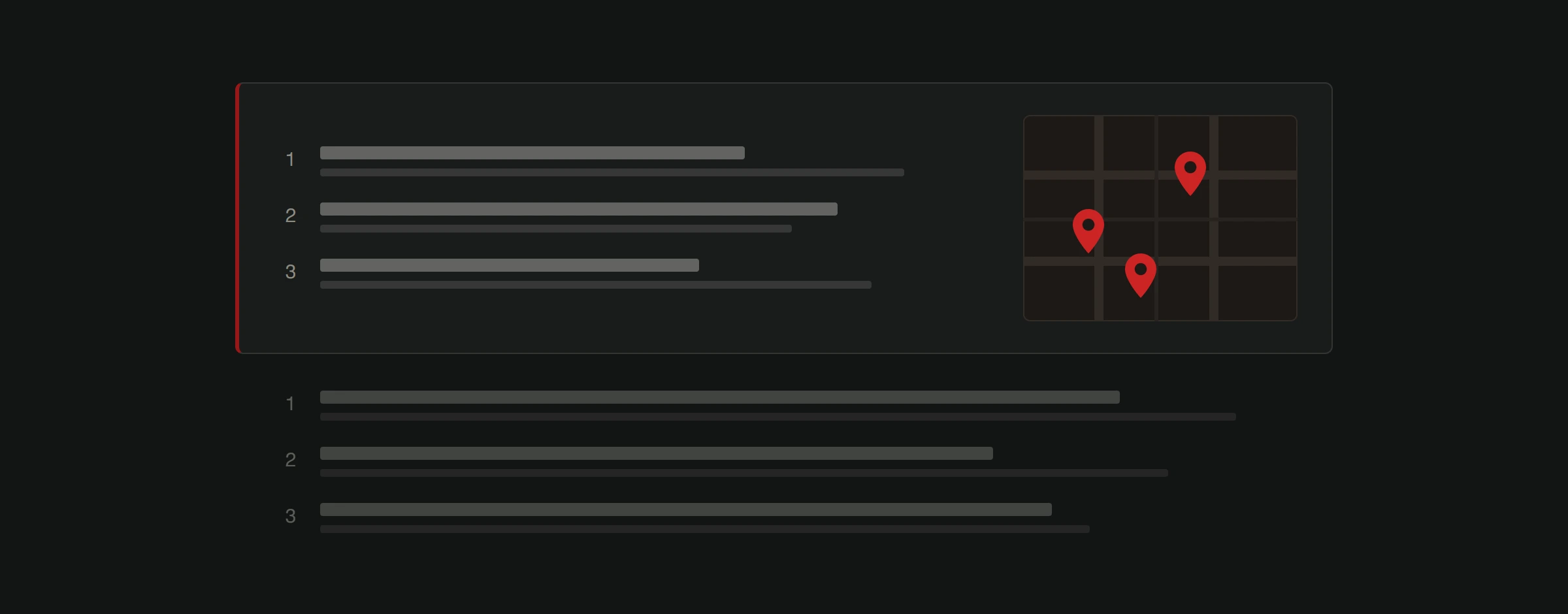
Your Google Business Profile is the foundation. Complete every section. Add photos weekly. Post updates. Respond to every review. Businesses that actively manage their profile consistently outrank those that set it and forget it.
Build local citations. Your business information (name, address, phone) should appear consistently across all platforms. Yelp, TripAdvisor (if relevant), industry directories, local business associations.
Earn reviews. Ask satisfied customers directly. Make it easy with a link to your Google review page. Volume, recency, and response rate all factor into local rankings.
Realistic timelines
Here's what nobody likes to hear: SEO takes time.
- New websites targeting low-competition keywords: 3-6 months to see page one results.
- Established sites targeting moderate keywords: 2-4 months with consistent effort.
- Competitive keywords in competitive industries: 6-12+ months. Sometimes longer.
Anyone promising page one rankings in 30 days is either targeting keywords nobody searches for or using tactics that will eventually get your site penalized.
The good news? Once you earn page one rankings through legitimate means, they tend to be stable. You're not renting a position. You've built the authority that sustains it.
What makes the difference
The businesses that reach page one share common traits. They treat SEO as a long-term investment, not a one-time project. They create content for their audience first, search engines second. They fix technical issues promptly. They build genuine relationships that lead to natural backlinks.
The ones that stay on page two? They're still looking for shortcuts.
Ready to build an SEO strategy that gets real results? Start with a free website analysis.