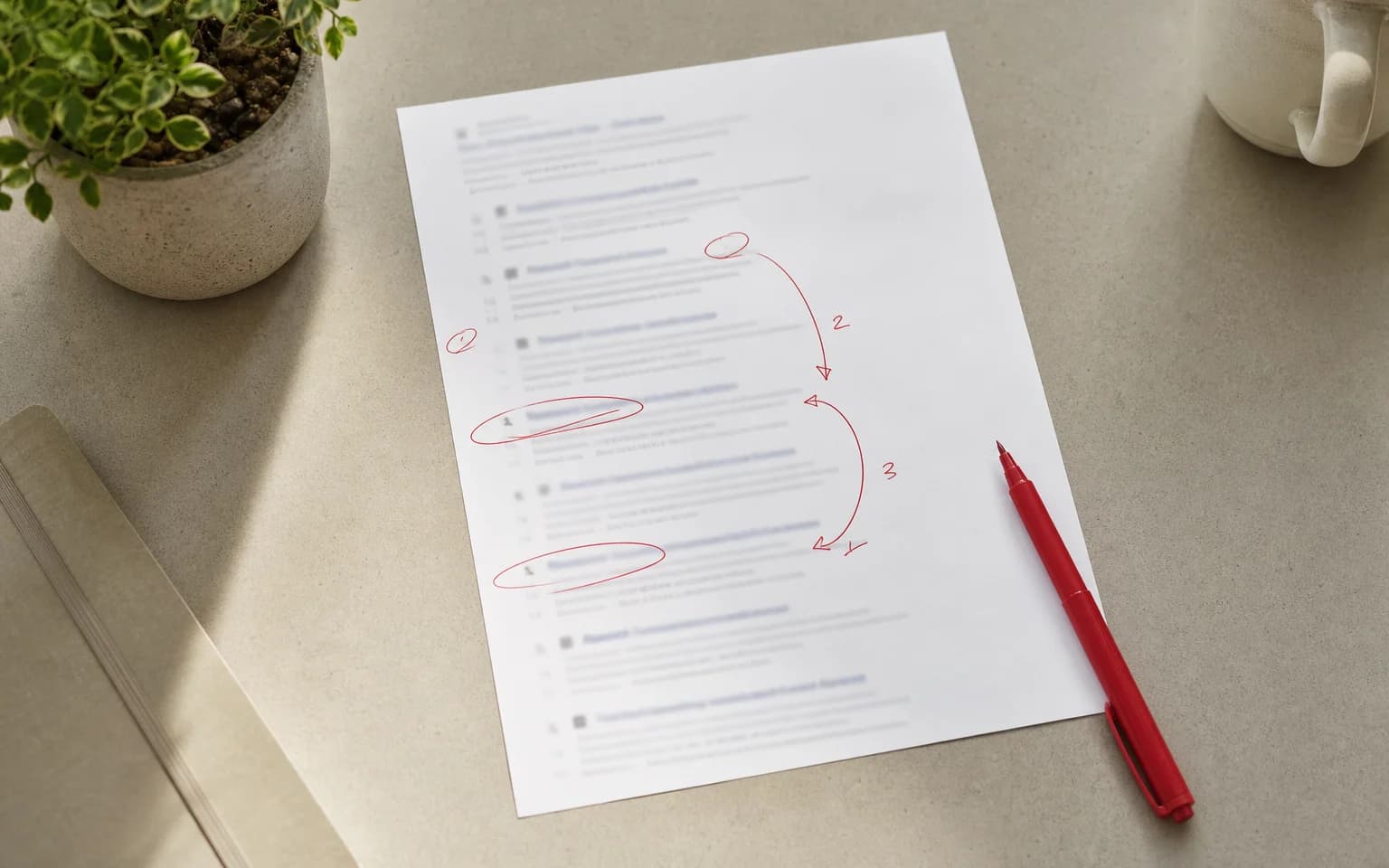
Every time someone types something into Google, they're using keywords. And every time Google decides which pages to show first, it's matching those keywords to content.
If you want your website to show up in search results, you need to understand this game. Not at a PhD level. Just well enough to play it smart.
What exactly are keywords?
Keywords are the words and phrases people type into search engines when they're looking for something. That's it. No mystery.
When someone searches "best pizza Zadar" or "how to speed up my website," those are keywords. Your job is to figure out which keywords your potential customers use and then create content that matches.
Search engines read your content, compare it to what people search for, and decide if your page deserves a spot on page one. Keywords are how you signal relevance.
Short-tail vs long-tail keywords
Not all keywords are created equal. They fall into two main categories.
Short-tail keywords are one or two words. Think "web design" or "SEO." They get massive search volume, but they're brutally competitive. Ranking for "web design" as a small business is like trying to outshout a stadium. Possible, but you'll lose your voice.
Long-tail keywords are longer, more specific phrases. Something like "how much does a custom website cost in Croatia" or "WordPress speed optimization tips." Fewer people search for these, but the ones who do are much closer to taking action.
Here's the thing most people miss: long-tail keywords convert better. Someone searching "shoes" is browsing. Someone searching "men's waterproof hiking boots size 43" is buying.
For most businesses, long-tail keywords are where the real opportunity lives.
Why keywords matter for your website
Without keyword strategy, your website is a billboard in the desert. It might look great, but nobody's driving by.
Keywords connect your content to the people who need it. When you build pages and blog posts around the terms your audience searches for, you create a direct path from Google to your business.
This matters because organic traffic (people finding you through search, not ads) is free and compounds over time. A blog post optimized for the right keyword can bring visitors for years. An ad stops the moment you stop paying. If you want a broader view of how this fits together, our guide on SEO strategies for better online visibility walks through the full picture.
If you're serious about growing online, start with understanding SEO fundamentals. Keywords are the foundation.
How to find the right keywords
Finding keywords isn't guesswork. There are tools for this.
Google Keyword Planner is free and gives you search volume data and competition levels. It's basic but solid for beginners.
Google Search itself is underrated. Start typing a phrase and look at the autocomplete suggestions. Those are real searches real people make. Scroll to the bottom of the results page and check "Related searches" too.
Google Search Console shows you which keywords your site already ranks for. Sometimes you're ranking on page two for a keyword you didn't even target. A little optimization can push you to page one.
Paid tools like Ahrefs, Semrush, or Ubersuggest give deeper data. Competitor analysis, keyword difficulty scores, content gaps. Worth it if SEO is a serious part of your strategy.
The goal isn't to find the keyword with the highest volume. It's to find keywords where you can realistically rank and where the intent matches what you offer.
How to use keywords without getting penalized
Google has gotten very good at detecting keyword stuffing. If you repeat "best web design company" fourteen times in a 500-word article, you won't rank higher. You'll rank lower. Or get removed entirely.
Here's how to do it right.
Title and H1 tag. Your primary keyword belongs here. Make it natural. "Keywords in SEO: What They Are and How to Use Them" works. "Keywords SEO Keywords Best Keywords Guide Keywords" does not.
First 100 words. Include your main keyword early in the content. Search engines pay attention to the opening of your text.
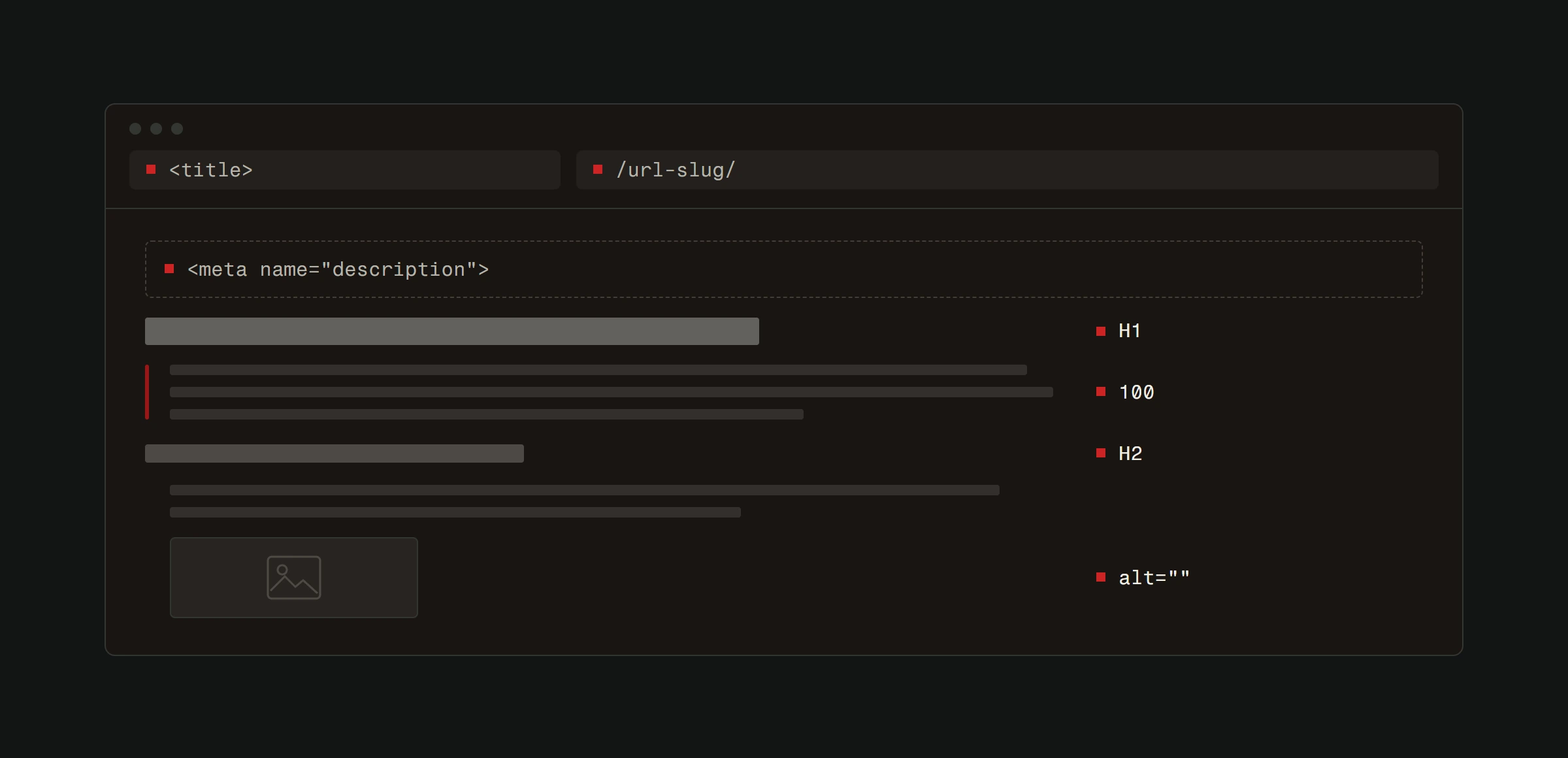
Headers (H2, H3). Use keyword variations in your subheadings. This helps Google understand your content structure and covers related search terms.
Body text. Write naturally. If your content genuinely covers the topic, keywords will appear organically. Don't force them.
Meta description. This is the snippet that shows in search results. Include your keyword and make it compelling enough that people actually click.
Image alt text. Describe your images using relevant keywords. This helps with image search and accessibility.
A good rule: if you read your content out loud and the keywords sound forced, rewrite those sentences.
Search intent: The keyword detail most people ignore
Two keywords can have the same volume but completely different intent.
Someone searching "what is SEO" wants information. Someone searching "SEO company Zadar" wants to hire someone. Your content needs to match the intent behind the keyword, not just the words.
There are four types of search intent:
Informational. The person wants to learn something. Blog posts and guides work here.
Navigational. They're looking for a specific website or brand. Not much you can do here unless it's your brand.
Commercial. They're researching before a purchase. Comparison posts and reviews work well.
Transactional. They're ready to buy or take action. Service pages and product pages should target these.
If you write an informational blog post targeting a transactional keyword, you'll struggle to rank. Google knows the difference.
Keywords and blogging work together
Regular blogging is one of the best ways to target more keywords without stuffing your main pages. Each blog post can target a specific long-tail keyword and bring in traffic you'd never capture otherwise.
This is exactly why blogging matters for your website. Every post is another entry point from Google to your site.
Over time, a library of well-targeted blog posts builds topical authority. Google starts seeing your site as a go-to resource in your niche, which lifts your rankings across the board. This is the core of SEO marketing on your website: consistent, keyword-driven content that compounds over months.
Getting started
You don't need to be an SEO expert to start using keywords effectively. Here's a simple starting point:
- List 10 questions your customers ask you regularly
- Research the search volume for those phrases
- Write one blog post for each, optimized around the keyword
- Track your rankings over the next 3 months
That alone will put you ahead of most competitors who never think about this.
If you want to go deeper, check out our guide on ranking better on Google. And if you'd rather have someone handle it for you, that's what our SEO service is for.
Keywords aren't magic. They're just the language your customers use to find what they need. Learn that language, and Google will do the rest. If you want help building a keyword strategy that actually works, let's talk.