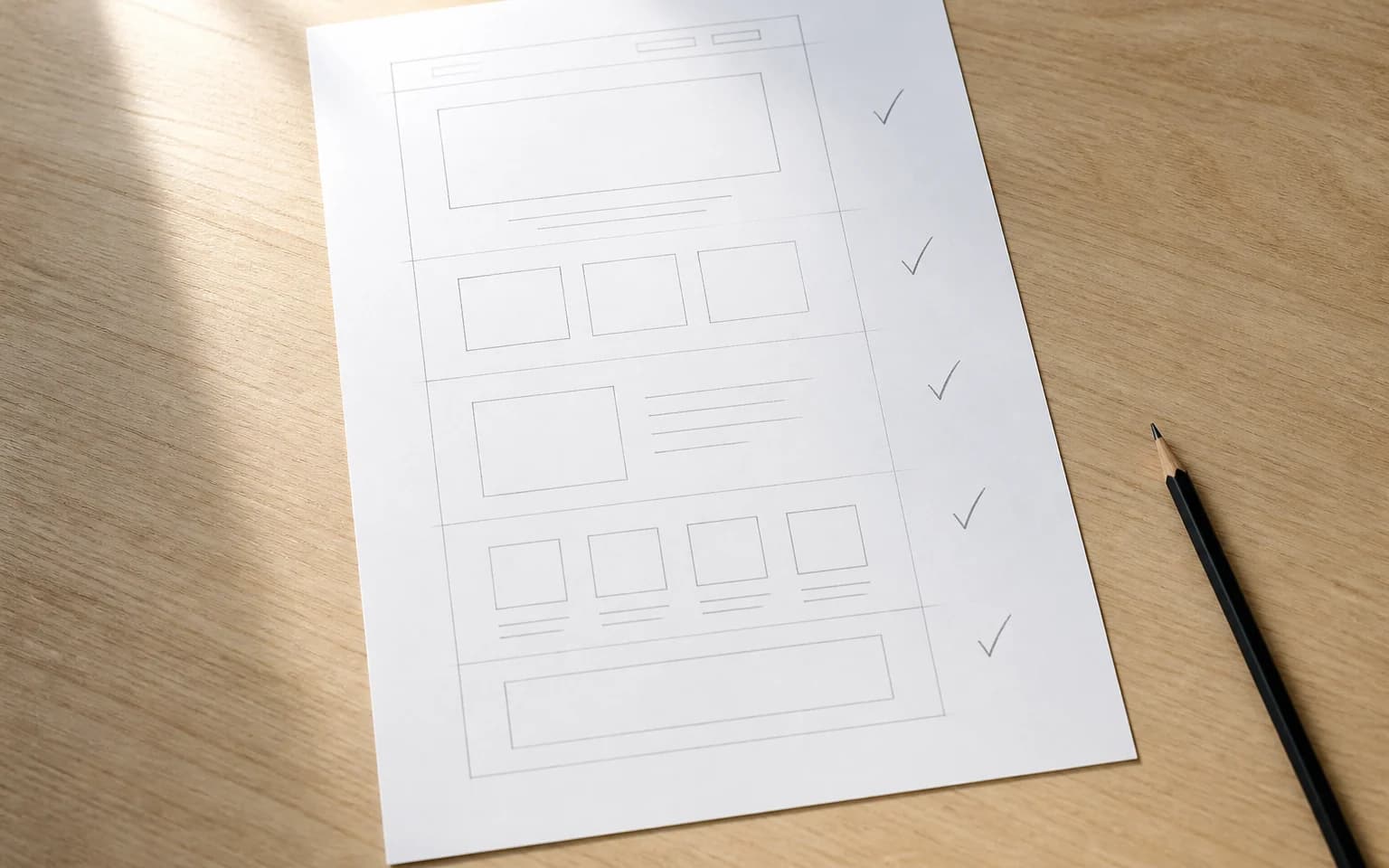
38% of visitors leave a website if the content or layout is unattractive. That number comes from Adobe's research, and it hasn't improved with time.
Your website is the first impression of your business for most people. Here are five things it absolutely needs. Most sites are missing at least one.
1. Responsive design that actually works
Over 60% of web traffic comes from mobile devices. If your site doesn't work well on a phone, you're losing more than half your audience.
Responsive design isn't just "it fits on a small screen." It means:
- Text is readable without zooming
- Buttons are big enough to tap with a finger
- Navigation works on a 5-inch screen
- Forms are easy to fill out on mobile
- Images resize without breaking the layout
Test your site on your own phone right now. Open it. Try to do what a customer would do. If anything frustrates you, it's frustrating your visitors too.
Google uses mobile-first indexing. That means Google evaluates the mobile version of your site first when deciding rankings. A desktop-only site is not just annoying to phone users. It's penalized in search results.
More on why responsive design matters.
2. Clear calls to action
Every page on your site should answer one question: what should the visitor do next?
- Homepage: Learn more about your services or get a quote
- Service page: Contact you or request a consultation
- Blog post: Read related content or explore your services
- Product page: Add to cart or book a demo
If a visitor reaches the bottom of your page and doesn't know what to do next, you've lost them.
Good CTAs are specific. "Get Your Free Quote" beats "Submit." "See Our Work" beats "Click Here." Color matters too: your CTA button should contrast sharply with the background. A red button on a white page gets noticed. A gray button on a gray page gets ignored.
Place your primary CTA above the fold (the part of the page visible without scrolling). Then repeat it after key sections. Visitors decide at different points. Give them the opportunity to act when they're ready.
Here's how to create CTAs that people actually click.
3. Fast load times
Google's research shows that 53% of mobile visitors abandon a site that takes longer than 3 seconds to load. Three seconds. That's how much patience people have.
Speed isn't just about user experience. Google uses page speed as a ranking factor. Slow sites rank lower. Period.
The biggest culprits: unoptimized images, too many plugins, heavy themes, and third-party scripts. Our speed optimization guide covers the specific fixes.
Quick test: run your site through PageSpeed Insights. If your mobile score is below 70, you have work to do.
4. Content that serves the visitor
"High-quality content" is vague. Here's what it actually means:
- Answer real questions. What do your customers ask before buying? Those questions should be answered on your site.
- Be specific. "We offer great service" tells nobody anything. "We build custom websites in two to three weeks, starting at EUR 500" tells them everything.
- Structure for scanning. Short paragraphs. Clear headings. Bullet points. Most people scan before they read.
- Keep it current. A blog with its last post from 2021 signals that you're not active. Here's why regular content matters.
Content isn't just blog posts. It's your service descriptions, your about page, your FAQ, your pricing info. Every word on your site should earn its place.
Here's a quick test: read your homepage out loud. If it sounds like every other company in your industry, rewrite it. Specific beats generic every time. Your visitors can smell filler copy from a mile away.
5. Basic security
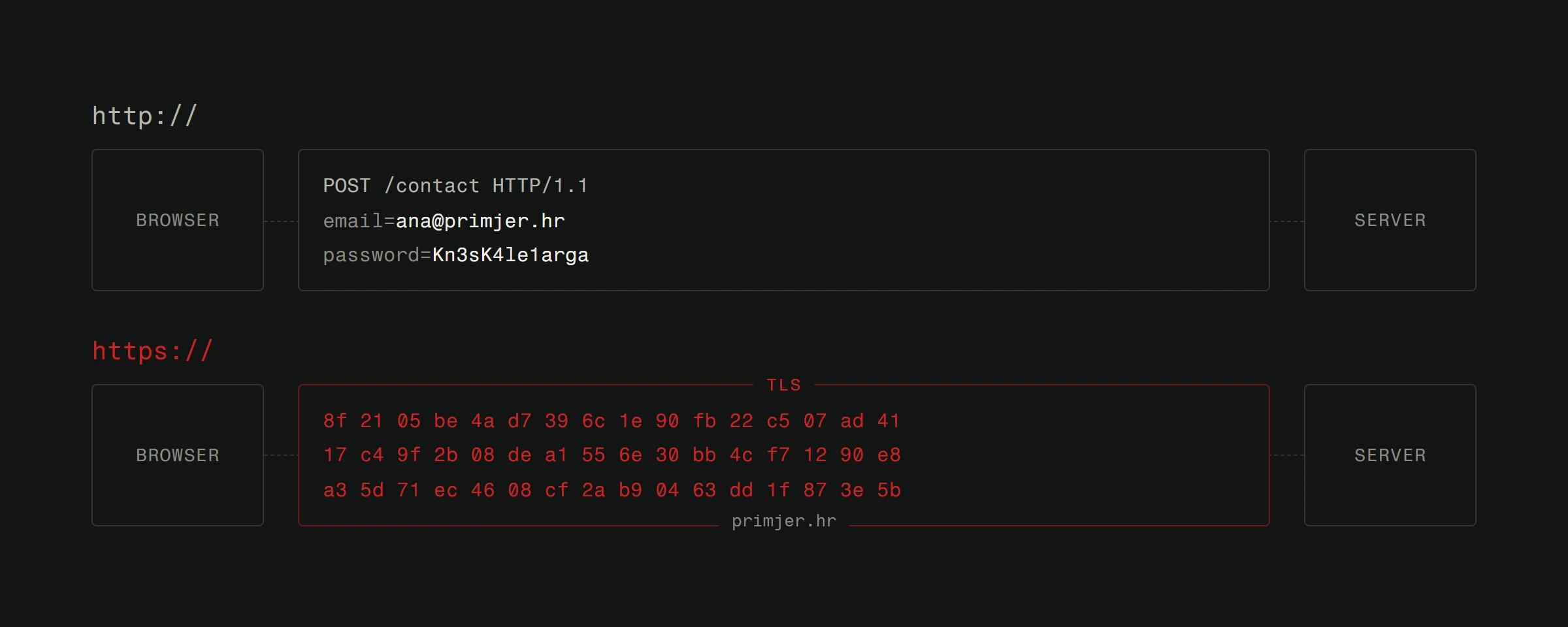
Your visitors trust you with their data the moment they fill out a contact form. Respect that trust.
The non-negotiables:
- SSL certificate (HTTPS). If your URL still shows "http://" without the "s," fix this today. Most hosting providers offer free SSL through Let's Encrypt.
- Regular updates. If you're on WordPress, keep core, themes, and plugins current. Outdated software is the number one attack vector. Our WordPress security guide covers this.
- Secure forms. Use spam protection (reCAPTCHA or honeypot fields). Validate inputs. Don't store data you don't need.
- Regular backups. Things break. Servers fail. Attacks happen. Automated daily backups mean you recover in hours, not weeks.
Bonus: Analytics you actually check
You can't improve what you don't measure. Install Google Analytics 4 and Google Search Console on day one. They're free.
Search Console shows which queries bring people to your site, which pages are indexed, and where Google found errors. Analytics shows what visitors do once they arrive: which pages they visit, how long they stay, where they drop off.
Check these numbers at least once a month. You don't need a data science degree. You need to know if traffic is going up or down and which pages are performing. That's enough to make informed decisions about what to fix, what to write next, and where your SEO efforts should focus.
The common thread
All five (plus the bonus) come down to one thing: respect for the visitor.
Responsive design respects their device. Fast load times respect their time. Clear CTAs respect their attention. Good content respects their intelligence. Security respects their trust.
Get these five right and you have a solid foundation. Skip any one of them and you're leaving visitors, rankings, and revenue on the table.
Want to know how your site scores on these five? Get a free website analysis. We'll check all of them and tell you exactly where to improve.