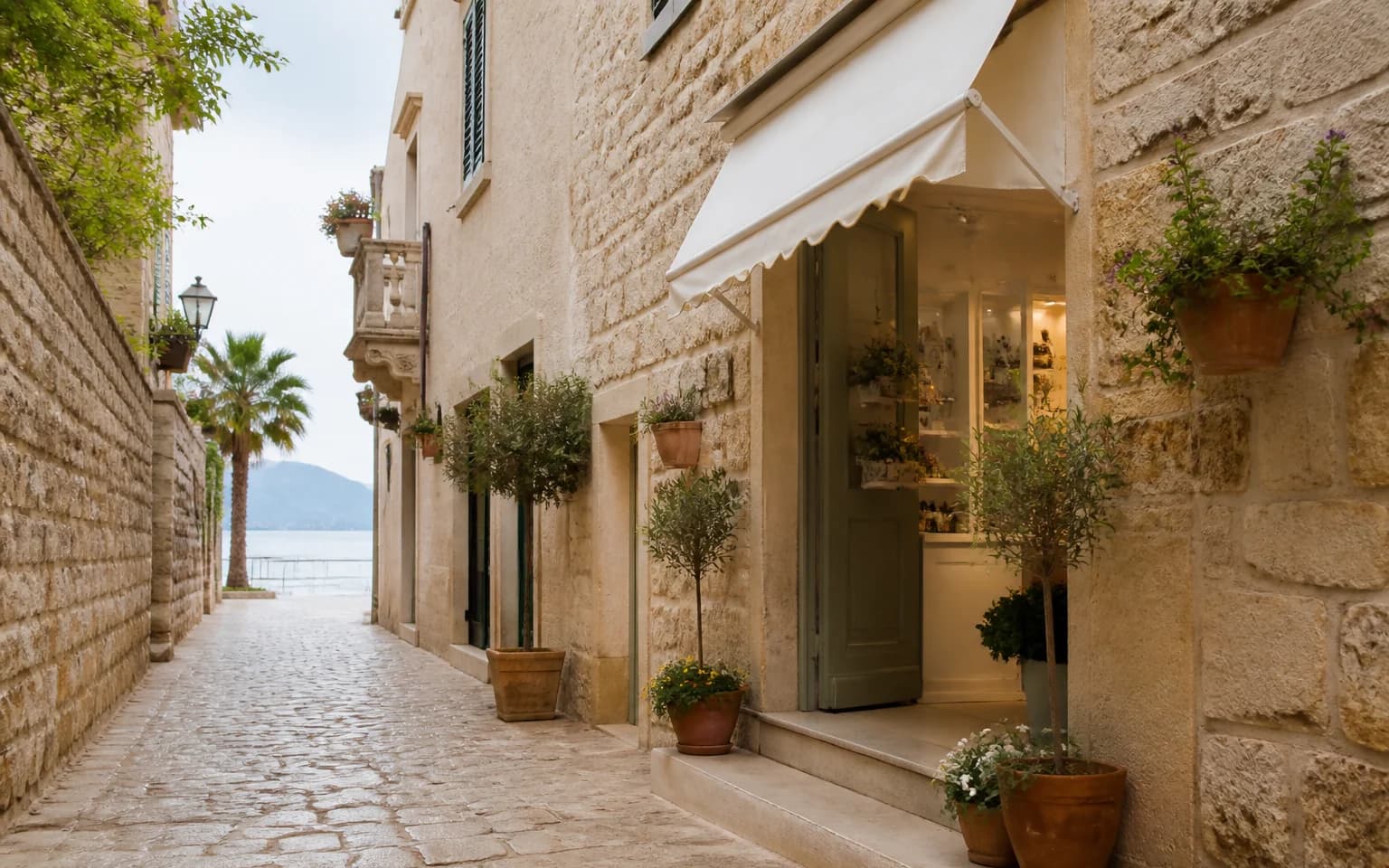
Zadar has a surprisingly active web development scene for a city its size. Between freelancers, small studios, and remote teams, you have real options. But having options also means you need to know what separates good web work from mediocre template installs.
Here is what to look for, what to avoid, and how to get a website that actually works for your business.
Why local still matters
You can hire a developer anywhere in the world. So why work with someone in Zadar?
Face-to-face still beats Zoom for some things. Kicking off a project, reviewing designs together, discussing business strategy. These conversations are richer in person. Especially when the team needs to understand your local market, your customers, and how your business actually operates.
They know the market. A Zadar-based web company understands Croatian business culture, local customer behavior, and the competitive landscape. They've likely built sites for businesses in your area and know what works for the local audience.
Time zone and language. No waiting 12 hours for a reply. No miscommunication across language barriers. When something needs fixing on your site at 10am, you can call someone who picks up the phone.
Accountability. It's harder to ghost a client you might run into at the farmers market. Local reputation matters. Teams that rely on their community for referrals tend to care more about the outcome.
What good web development looks like
Regardless of who you hire, here's what a professional result should include:
Custom design, not a template with your logo pasted in. Your website should reflect your brand, not look like 10,000 other sites using the same WordPress theme. Ask to see original design mockups before development starts.
Mobile-first approach. Over 60% of web traffic globally now comes from mobile devices, and Croatia follows the same trend. If your site isn't designed for phones first, it's designed wrong. This isn't a feature. It's a fundamental requirement.
Fast loading times. Every second of load time costs you visitors. A properly built site loads in under 3 seconds on a mobile connection. Ask about performance optimization during the initial conversation. If the team doesn't bring it up, that's a red flag.
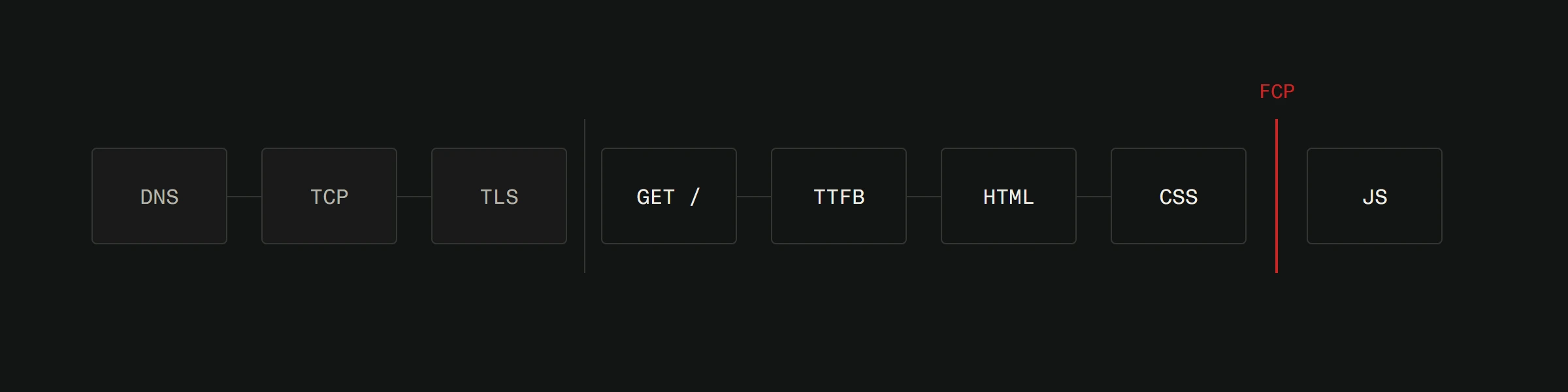
SEO from day one. Your site needs clean code, proper heading structure, meta tags, image optimization, and structured data baked in from the start. SEO isn't something you bolt on after launch. It's part of how the site is built.
Content management. You should be able to update text, images, and basic content yourself without calling the developer every time. A good CMS setup puts you in control of your own site.
Red flags to watch for
"We use WordPress for everything." WordPress is fine for blogs and simple sites. But if someone uses the same tool for every project regardless of requirements, they're a hammer looking for nails. Different projects need different approaches.
No discovery phase. If someone quotes you a price and timeline before understanding your business, goals, and audience, they're planning to deliver a generic product. Good work starts with good questions.
They can't show you similar work. Every professional team should have a portfolio of completed projects. If they can't show you sites that are still live, still fast, and still looking good, that tells you about the quality of their work and their client relationships.
Vague pricing. "It depends" is a valid starting point. "We'll figure it out as we go" is not. You should receive a clear proposal with defined scope, deliverables, and pricing before work begins.
They want to own your domain. Your domain name, your hosting account, your content, your code. These are yours. Anyone who registers your domain under their account is creating a dependency, not a partnership.
Questions to ask before signing
These questions separate the professionals from the amateurs:
-
What platform or technology do you recommend for my project, and why? The answer should be specific to your needs, not a default for all their clients.
-
What does your development process look like? You want to hear about discovery, wireframing, design, development, testing, and launch as distinct phases.
-
Who owns the code and assets when the project is done? The only acceptable answer: you do.
-
What happens after launch? Maintenance, hosting, support, updates. Get clarity on ongoing costs and responsibilities.
-
Can I talk to a past client? Confidence in their work means they should be happy to connect you with someone they've worked with.
What Version2 does differently
We're based in Zadar and we've been building websites for local and international clients since 2022. Here's our approach:
We think about your business first, the technology second. The right tech stack depends on what you're trying to accomplish, not what we're comfortable with.
We build for speed and user experience. A beautiful site that loads slowly or confuses visitors is a failed project, regardless of how good the design looks in a screenshot.
We handle the full picture: web design, development, SEO, and ongoing support. One team, one relationship, no finger-pointing between vendors.
The Zadar web scene
The local tech community here is growing. More businesses understand that a website isn't a checkbox item but a core business tool. That rising demand has pushed local teams to get better.
Competition is healthy. It means you have choices, and it means those who deliver poor results don't last long. The businesses that thrive here are the ones that treat their website as an investment in growth, not an expense to minimize.
Whether you're a restaurant on Kalelarga, a boat charter in Sukošan, or a tech startup downtown, the right website can be the difference between getting found and getting forgotten.
Want to talk about your project? Get in touch and we'll give you an honest assessment of what you need and what it'll cost. No jargon, no pressure.