You know SEO matters. You've heard it a hundred times. But when you sit down to actually improve your rankings, the advice online is either too vague ("create great content!") or too technical ("implement hreflang canonical tags with proper x-default annotations").
Here's the practical middle ground. Five areas that actually move the needle, with specific actions you can take this week.
Step 1: Get your keyword strategy right
Rankings don't happen by accident. They happen because you target specific terms people are searching for.
Audit your current keywords. Open Google Search Console. Go to Performance. Look at the queries bringing you impressions and clicks. You'll probably find you're ranking for terms you never intentionally targeted. Some of those are opportunities. Some are irrelevant.
Build a keyword map. Every important page on your site should target a primary keyword and two to three secondary keywords. Map them out in a spreadsheet. Page, primary keyword, search volume, current ranking position.
Find gaps. Use SEMrush or Ahrefs to see what keywords your competitors rank for that you don't. These gaps are your roadmap.
Prioritize by opportunity. Focus on keywords where you're already on page 2 (positions 11-20). These are closest to page 1 and often just need a content refresh or a few backlinks to break through.
Long-tail keywords are your friend, especially if your site is newer or your domain authority is still building. "Web design company" is a brutal keyword. "Custom web design for hotels in Dalmatia" is very winnable. Our keyword guide breaks down the selection process in detail.
Step 2: Fix your on-page fundamentals
On-page SEO is where most quick wins live. These are changes you control completely, and they often show results within weeks.
Title tags. Every page needs a unique, descriptive title tag under 60 characters with the primary keyword included. Check every page on your site. You'd be surprised how many have generic or duplicate titles.
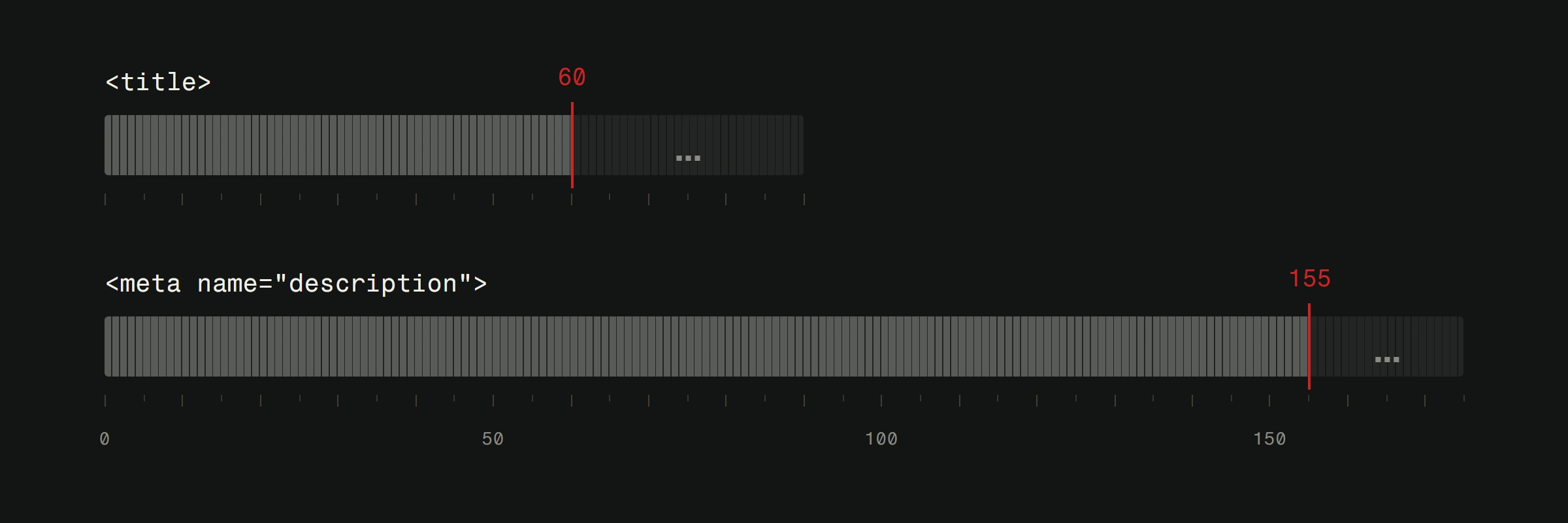
Meta descriptions. Write them for every page. Under 155 characters. Include the keyword. Make them compelling. Yes, Google sometimes rewrites them. Write them anyway.
Header hierarchy. One H1 per page (your page title). H2s for major sections. H3s for subsections. Don't skip levels. Don't use headers for styling. Proper hierarchy helps Google understand your content structure.
Content quality check. Read every page on your site with fresh eyes. Is the content genuinely useful? Is it better than what competitors have? If a page is thin (under 300 words with no real substance), either expand it or consider whether it should exist at all.
Image optimization. Compress images to reduce load time. Add descriptive alt text to every image. Use descriptive filenames. A single unoptimized hero image can add seconds to your load time. Speed matters for rankings. We cover this thoroughly in our speed optimization guide.
Internal linking. Every page should link to and receive links from other relevant pages. This distributes authority across your site and helps Google discover new content. When you publish a new blog post, go back and add links to it from relevant older posts.
Step 3: Sort out technical SEO
Technical SEO ensures Google can find, crawl, and index your site properly. If the technical foundation is broken, all the content optimization in the world won't help.
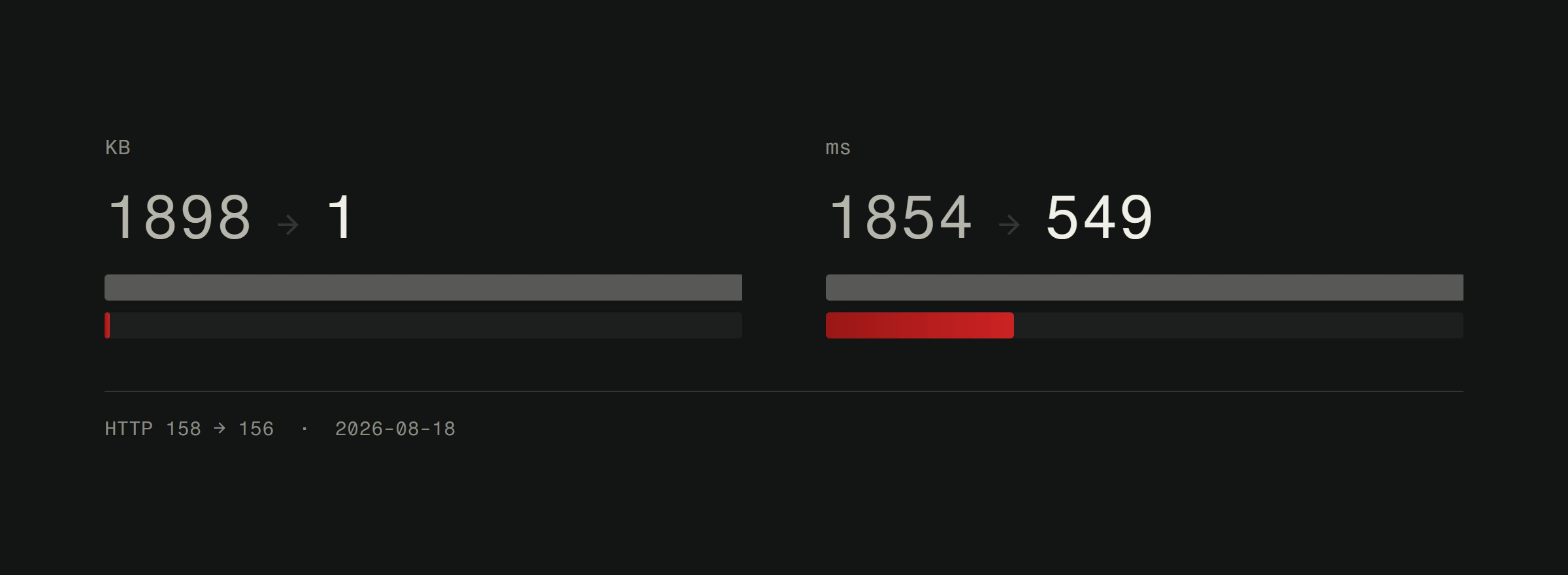
Site speed. Run your site through Google PageSpeed Insights. Fix what it tells you. Priority items: compress images, enable browser caching, minify CSS and JavaScript, remove unused code. Target a load time under 2.5 seconds.
Mobile responsiveness. Open every page on your phone. Can you read everything without zooming? Can you tap buttons without hitting the wrong one? Is the navigation usable? Google uses mobile-first indexing, so your mobile experience determines your rankings.
Crawlability. Submit a sitemap to Google Search Console. Check for crawl errors in the Coverage report. Fix broken links (404 errors). Make sure your robots.txt file isn't accidentally blocking important pages.
HTTPS. Your entire site must be on HTTPS. No exceptions. If you're still on HTTP, that's hurting your rankings and showing visitors a "Not Secure" warning.
Core Web Vitals. Google measures three specific user experience metrics: Largest Contentful Paint (loading speed), Interaction to Next Paint (interactivity), and Cumulative Layout Shift (visual stability). Check these in Search Console under Core Web Vitals and address any failing pages.
Structured data. Adding schema markup helps Google understand your content and can earn you rich snippets in search results. LocalBusiness schema for your homepage, FAQ schema for your FAQ pages, Article schema for blog posts. It's extra work that pays off in visibility.
Step 4: Create content that serves a purpose
Content isn't just blog posts. It's every page on your site. And every page should serve a clear purpose for a specific audience.
Map content to the buyer's journey. Awareness stage: blog posts about problems and trends. Consideration stage: comparison guides, case studies. Decision stage: service pages, testimonials, pricing.
Answer real questions. Look at the "People also ask" boxes in Google for your target keywords. Those are questions your audience is actively asking. Write content that answers them better than anyone else.
Update existing content. You don't always need to create new pages. Sometimes your best move is making an existing page substantially better. Add depth. Include current examples. Update outdated statistics. Google rewards freshness.
Write blog posts that rank. Every post should target a specific keyword, match search intent, include internal links, and offer more depth than competing pages. Publishing one well-researched post per month beats publishing four thin ones.
Don't forget your service pages. Many businesses over-invest in blog content while their actual service pages have a paragraph of generic text and a contact form. Your service pages are where conversions happen. They deserve detailed, keyword-targeted, persuasive content. Properly optimized service and portfolio pages are often what turn a site from invisible to a lead generation machine.
Step 5: Build authority through backlinks
Backlinks tell Google other sites think yours is worth referencing. You need them to compete for anything beyond low-competition keywords.
Start with easy wins. Industry directories, local business listings, professional association memberships. These aren't high-authority links, but they establish your site's basic credibility and are easy to obtain.
Create link-worthy content. Original research, comprehensive guides, and useful tools attract backlinks naturally. Think about what would make someone in your industry say "oh, this is useful, let me save and share this."
Guest post strategically. Write for publications your audience reads. Focus on quality and relevance, not quantity. One guest post on a respected industry site beats ten posts on random blogs. For more on building your backlink profile, read our backlinks guide.
Monitor your domain rating. Track it monthly. A steadily rising domain rating means your authority-building efforts are working. A sudden drop might indicate lost backlinks or a penalty worth investigating.
Local SEO: The multiplier for service businesses
If you serve a local market, local SEO deserves special attention. The Google Map Pack (those three listings with a map at the top of local search results) drives a massive share of clicks for local queries.
Claim and optimize your Google Business Profile. Fill out every field. Add photos. Post updates. Respond to reviews. This single action has more impact on local visibility than almost anything else.
Get consistent citations. Your business name, address, and phone number should be identical everywhere it appears online. Directories, social profiles, your website, review sites. Inconsistencies confuse Google.
Earn reviews. Ask happy clients to leave Google reviews. Respond to every review, positive or negative. Review quantity, quality, and recency all factor into local rankings.
Our local SEO strategies guide goes deeper on each of these tactics.
Put it all together
SEO improvement is a series of small, consistent actions. Not a one-time project. Here's a realistic monthly routine:
- Week 1: Check Search Console for new errors, review keyword positions, update one existing page.
- Week 2: Publish one new blog post targeting a specific keyword.
- Week 3: Build 2-3 backlinks through outreach or guest posting.
- Week 4: Review analytics, adjust strategy, plan next month's keyword targets.
Do this for six months. You'll be amazed at the compound effect.
Not sure where to start? Our free website analysis identifies your biggest SEO opportunities and gives you a prioritized action plan.