Every year, dozens of articles declare the "top SEO trends" for the coming months. Most are recycled predictions that never materialize. Voice search was supposed to take over five years ago. It didn't.
So let's skip the hype and focus on what's actually changing how Google ranks websites right now, and what you should do about it.
AI Overviews are reshaping search results
Google's AI Overviews (formerly SGE) are the biggest shift in search since featured snippets. When someone asks a question, Google now generates an AI summary at the top of results, pulling from multiple sources. As of late 2025, AI Overviews appear for roughly 15-30% of queries and have expanded to over 200 countries in 40+ languages. Google has also introduced AI Mode, a separate search tab powered by Gemini that eliminates the traditional ten blue links entirely.
What this means for you: traditional position one isn't always position one anymore. The AI Overview sits above it for many queries. But Google still cites sources within these overviews. Getting cited there requires the same things that have always mattered: clear, authoritative, well-structured content.
What to do about it:
- Structure content with clear, direct answers to specific questions. AI Overviews pull from concise, factual paragraphs.
- Build topical authority. Google's AI pulls from sites it considers authoritative on a topic. Topic clusters help here. See our SEO basics guide for the fundamentals.
- Don't panic about traffic drops from informational queries. Focus more on commercial and transactional queries where AI Overviews appear less frequently.
E-E-A-T is no longer optional
Google's E-E-A-T framework (Experience, Expertise, Authoritativeness, Trustworthiness) has gone from a quality guideline to a functional ranking factor. The double "E" for Experience was added because Google wants content from people who have actually done the thing they're writing about.
A blog post about "best restaurants in Zadar" written by someone who has never been to Zadar is worth less than one written by a local who has eaten at all of them. Google is getting better at detecting which is which.
What to do about it:
- Add author bios with real credentials to every piece of content. Link to LinkedIn profiles or professional portfolios.
- Include first-hand experience markers: original photos, specific details that only come from direct experience, personal opinions backed by evidence.
- Build author entities. Publish on multiple reputable sites under the same name. Google connects the dots.
- Get mentioned or cited by other authoritative sources. This is what "Authoritativeness" actually means in practice.
Semantic SEO has replaced keyword stuffing (finally)
Google doesn't match keywords anymore. It understands topics, relationships between concepts, and user intent. Searching "best way to make coffee" and "how to brew coffee at home" return nearly identical results because Google knows they mean the same thing.
This means you no longer need to create separate pages for every keyword variation. One comprehensive page that covers a topic thoroughly will outrank five thin pages targeting individual keyword phrases.
What to do about it:
- Write about topics, not keywords. Use your keyword research to understand what questions people ask, then answer them comprehensively.
- Include related terms and concepts naturally. If you're writing about website speed, mentioning Core Web Vitals, lazy loading, CDNs, and image compression tells Google your content has depth.
- Use "People also ask" boxes as a content outline. These reveal the semantic relationships Google expects around your topic.
- Stop obsessing over exact keyword density. It hasn't mattered for years.
User signals are weighing heavier
Google has long said user behavior doesn't directly affect rankings. The leaked Google algorithm documentation from 2024 suggested otherwise. Metrics like click-through rate, time on page, and pogo-sticking (clicking a result then immediately bouncing back to search) appear to influence how pages rank.
Whether these are direct ranking factors or indirect signals, the practical advice is the same: make people want to click your result and stay on your page.
What to do about it:
- Write better title tags and meta descriptions. These are your ad copy in search results. A boring title means nobody clicks, even if you rank well.
- Put the most valuable information at the top of the page. If someone has to scroll past 500 words of preamble, they'll go back to Google instead.
- Improve page speed. A slow-loading page causes bounces before users even see your content.
- Design for mobile first. Clunky mobile experiences drive pogo-sticking.
Topical authority beats Domain Authority
Historically, big sites with high domain authority could rank for almost anything. That's shifting. Google increasingly rewards topical depth over general authority.
A small website that publishes 30 deeply researched articles about local SEO will outrank a massive site that has one surface-level article about local SEO. Google is getting better at recognizing who actually knows what they're talking about within a specific domain.
What to do about it:
- Pick your lanes. You can't be authoritative about everything. Choose 3 to 5 core topics and go deep.
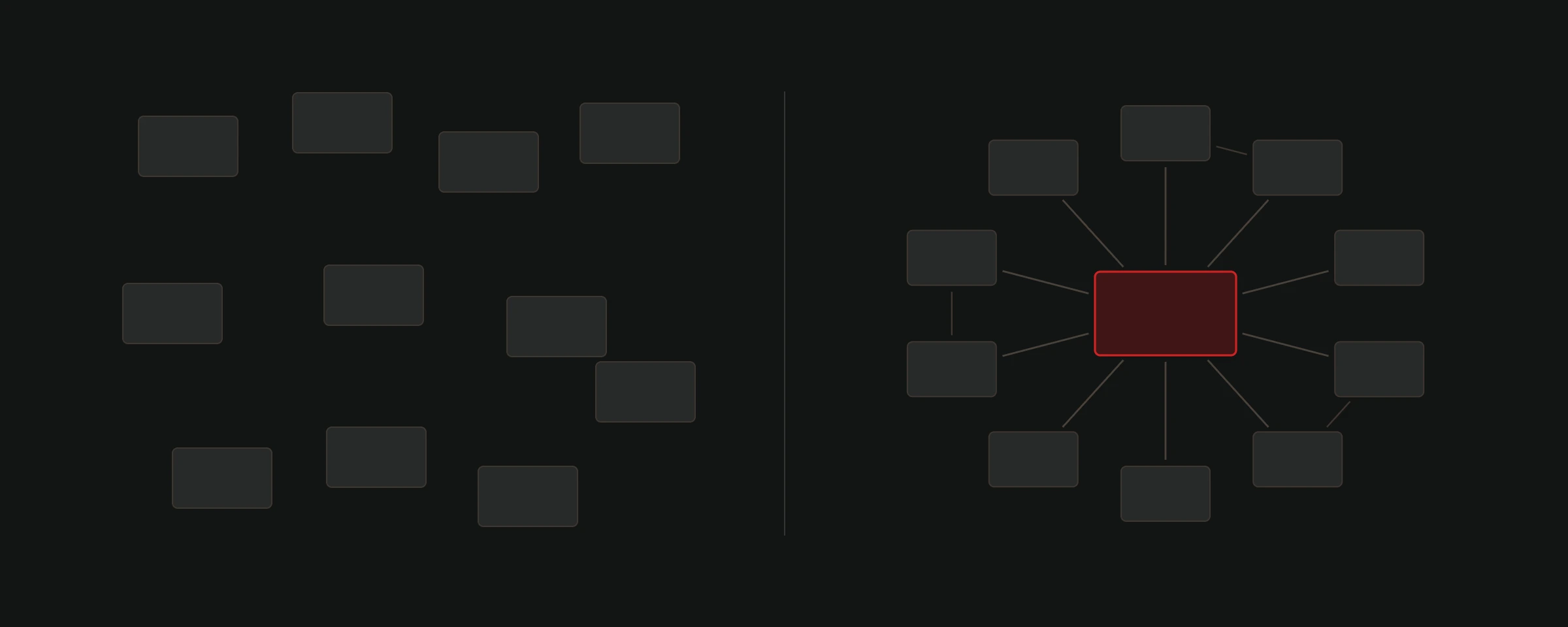
- Build content clusters. A pillar page plus 8 to 12 supporting articles, all interlinked. This is how you signal depth.
- Update existing content regularly. A 2023 article with 2026 information shows Google you're actively maintaining expertise.
- Don't spread thin. Publishing one excellent article per week beats three mediocre ones.
Zero-click searches keep growing
Roughly 60-70% of Google searches now end without a click to any website. People get their answer directly from the search results page through featured snippets, knowledge panels, AI Overviews, and "People also ask" boxes. On mobile, the rate is even higher.
This isn't necessarily bad. It means your SEO strategy needs to account for visibility without clicks.
What to do about it:
- Optimize for featured snippets. Even if someone doesn't click, they see your brand name and URL. That builds recognition.
- Focus on queries where clicks still happen. Commercial queries ("web design Zadar"), comparison queries ("WordPress vs custom website"), and how-to queries that require detailed steps still drive clicks.
- Track impressions, not just clicks. Your Google Search Console impression data tells you how visible you are, even when clicks are declining.
- Build brand recognition so people search for you specifically. Branded searches always lead to clicks.
What hasn't changed (and won't)
Amid all the trends, the fundamentals remain the same. Quality content, solid technical foundation, relevant backlinks, good user experience. Every "trend" above is really just Google getting better at evaluating these things.
Don't chase trends at the expense of basics. Your SEO checklist should still cover the foundational elements. The trends just tell you where to add emphasis.
Wondering how well your site adapts to current search patterns? Our free website analysis benchmarks your performance against what Google actually rewards today.