Most website projects don't fail during development. They stall during preparation. Someone forgot to write the About page. The logo exists only as a blurry JPEG from 2014. Nobody agreed on what the site should actually accomplish.
We've built enough websites to know the pattern. The best projects start with prepared clients. Not because we're demanding. Because preparation eliminates the back-and-forth that turns a project of a few weeks into one that drags on for months.
Here's what you actually need before the first design meeting.
Know what your website should do
This sounds obvious. It isn't. "We need a new website" is not a goal. "We need a website that generates 20 qualified leads per month" is a goal.
Sit down and answer three questions honestly. What do you want visitors to do on your site? How will you measure success? What's not working on your current site?
If your answer to all three is "I don't know," that's fine. But figuring this out before development starts saves everyone time. A website without clear goals is just a digital brochure that collects dust.
Think about your conversion points. Do you want people to call you, fill out a form, buy something, or book an appointment? Every page should push visitors toward one of these actions.
Know your audience
You'd be surprised how many businesses can't describe their ideal customer beyond "everyone." That's not a target audience. That's wishful thinking.
Get specific. What problems do your customers have? What words do they use to describe those problems? Where do they hang out online? What competing sites are they comparing you against?
This matters because design decisions follow from audience decisions. A law firm's website looks nothing like a skateboard shop's site. Not because of arbitrary style choices, but because the audiences expect fundamentally different things.
If you've done any customer research, bring it. Surveys, analytics data, even anecdotal feedback from your sales team. All useful. If you haven't, at minimum write down 2-3 detailed descriptions of your typical customers.
Prepare your content
Here's the truth nobody wants to hear. Content is almost always the bottleneck. We can design and build an entire site in a few weeks. But we can't write your story for you.
Before we start, you need at a minimum:
Text content. Homepage copy, About page, service or product descriptions, contact information. It doesn't need to be perfect. First drafts are fine. But having something to work with beats waiting weeks for copy that never arrives.
Images. Real photos of your team, your office, your products. Stock photos are a last resort, not a strategy. People can tell the difference between "stock photo of smiling business team" and an actual photo of your actual team. It affects trust.
Logo and brand assets. Your logo in vector format (SVG or AI file). Brand colors as hex codes, not "it's kind of blue." Any brand guidelines you have, even informal ones.
The content you prepare directly shapes the user experience of your finished site. Placeholder text leads to placeholder design decisions.
Sort out your domain and hosting
If you don't already have a domain name, pick one before the project starts. Short, memorable, and ideally matching your business name. Avoid hyphens. Avoid clever spellings. If people can't type it from memory, it's too complicated.
Hosting is a bigger decision than most people think. Cheap shared hosting will cost you in site speed and reliability. You don't need the most expensive option, but you do need hosting that won't buckle under moderate traffic.
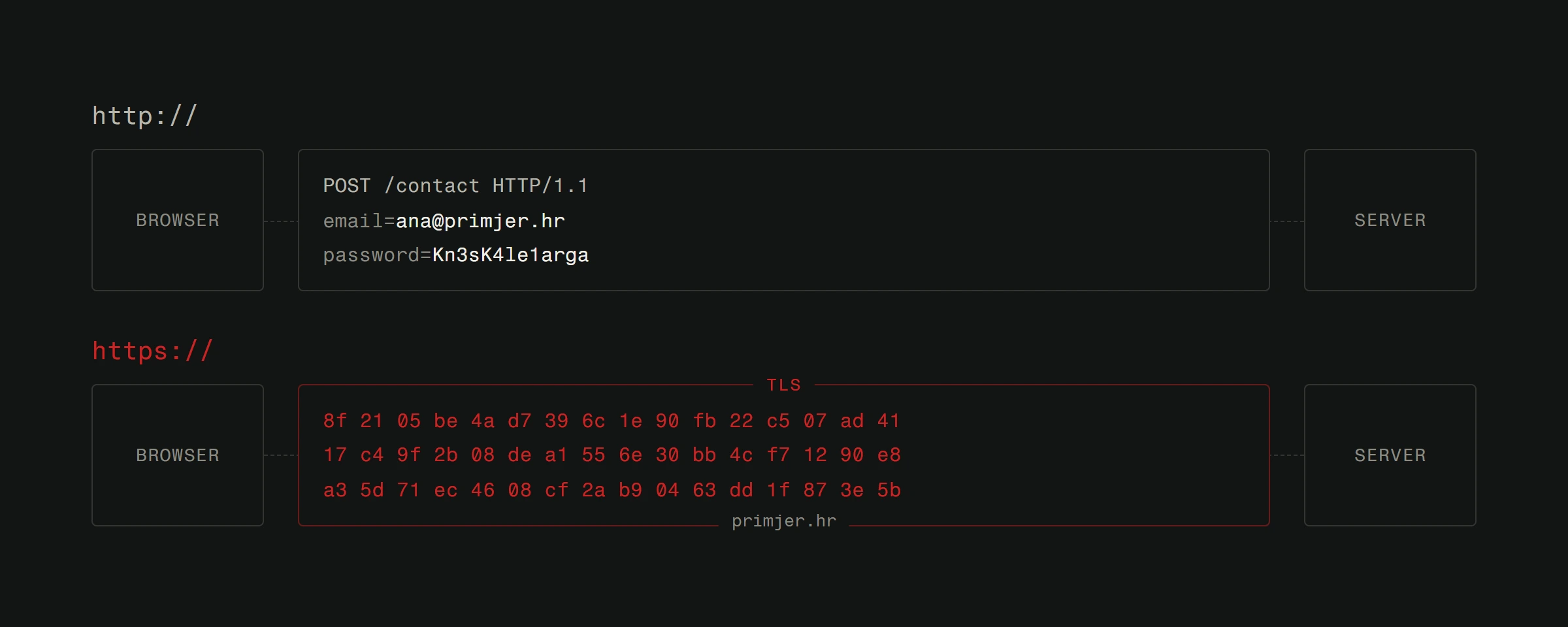
SSL certificates are non-negotiable. Every site needs HTTPS. It's a security requirement and a ranking factor for SEO. Most decent hosting plans include SSL now, so this shouldn't be a separate expense.
Think about structure
You don't need to be a web designer to sketch a basic sitemap. Just list the pages you need and how they relate to each other.
Most business websites need: Home, About, Services (with subpages), a Contact page, and possibly a Blog or Portfolio. E-commerce sites add product categories, individual product pages, cart, and checkout flows.
Think about how a visitor would navigate from your homepage to the information they need. Can they get there in 2-3 clicks? If your mental sitemap requires 6 levels of navigation, simplify it.
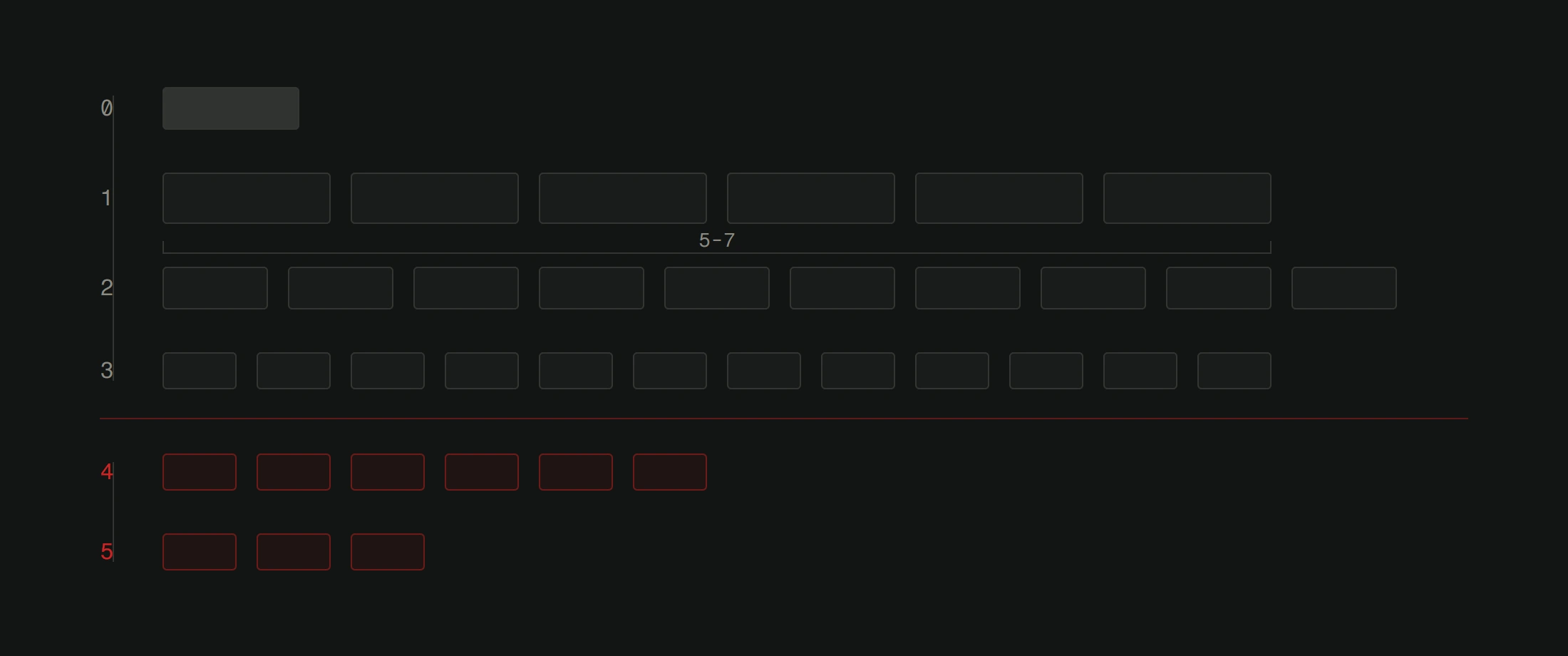
Good structure isn't just about user convenience. It's the foundation for good SEO. Search engines crawl your site following links. If your important pages are buried deep, they might not get indexed properly.
Have a realistic budget and timeline
Custom websites cost money. That's not a sales pitch. It's reality. A properly built site requires design work, development, content creation, testing, and optimization. Each of these takes time from skilled people.
Check out our breakdown of website pricing to calibrate your expectations. Knowing your budget upfront lets us scope the project correctly. We'd rather build something great within your budget than promise everything and deliver a mess.
Timeline-wise, a typical business website takes two to three weeks from kickoff to launch, and a one-page starter site about one. That assumes you've prepared the materials listed above. Every week of waiting for content is a week added to the timeline.
What you don't need to worry about
Here's the flip side. Some things clients spend way too much time on before the project even starts:
Wireframes and mockups. That's our job. You can bring inspiration (screenshots of sites you like), but you don't need to design anything yourself.
Technical decisions. You don't need to choose between React and WordPress before our first meeting. We work that out together.
Perfection. Your first draft of anything doesn't need to be final. We iterate. That's the whole point.
The real checklist
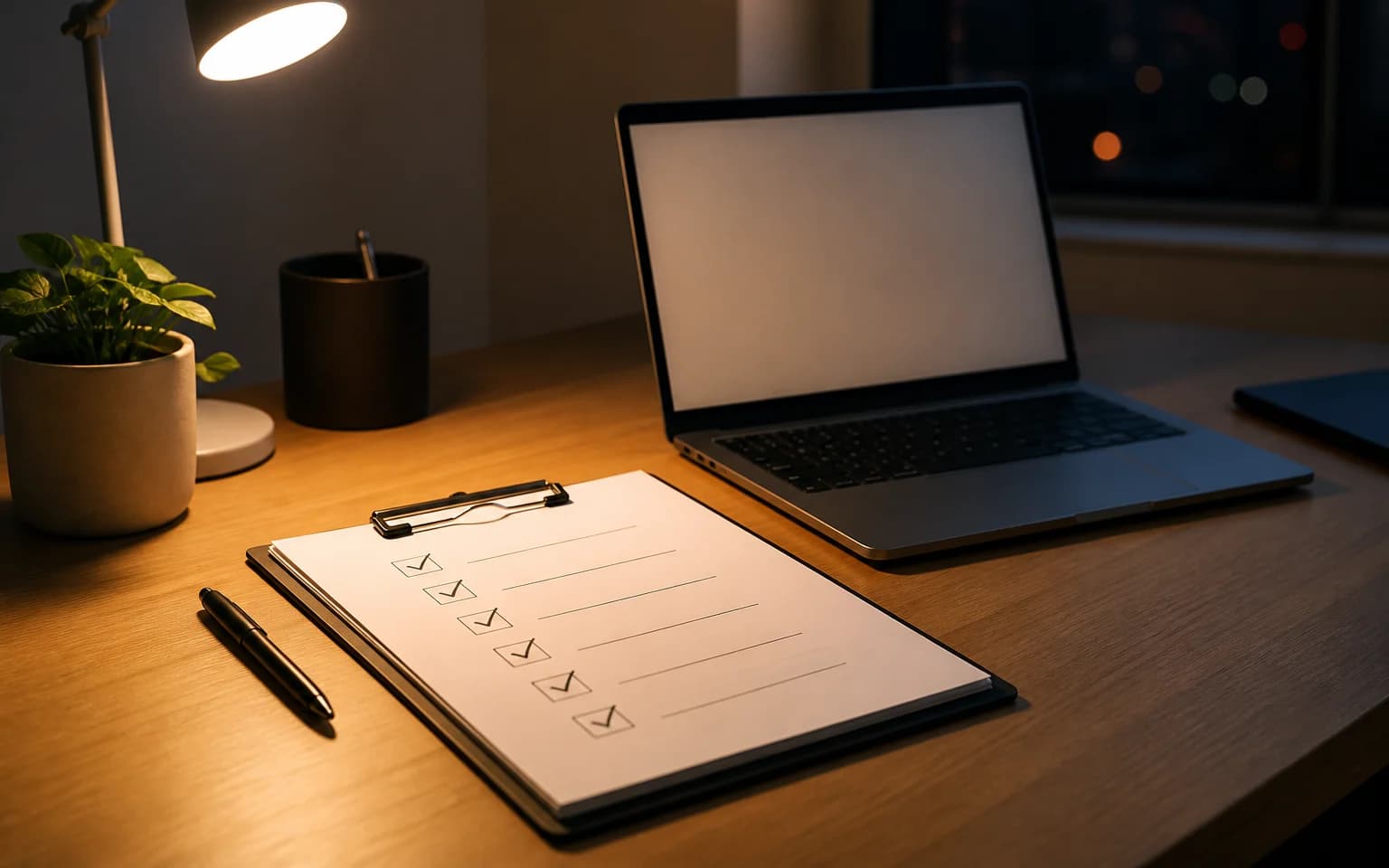
Here's what actually matters, in order of importance:
- Clear goals for the website
- Written content (even rough drafts)
- Images and brand assets
- Domain name secured
- Budget range decided
- Timeline expectations set
Get these sorted and the project will move fast. Skip them and we'll spend the first month asking for things instead of building.
Ready to start? Book a free 10-minute call and tell us what you're planning. It's the quickest way to find out whether we're the right fit and what happens next.