Every business is a brand whether it tries to be or not. The question is whether you are building that brand intentionally or letting it happen by accident.
A lot of small businesses skip branding entirely. They pick a name, get a quick logo from a freelancer, choose some colors that "feel right," and start selling. Then they wonder why nobody remembers them. Why they look exactly like five other companies in the same space. Why customers treat them like a commodity.
That is what happens when you skip the strategy.
Branding is not a logo project
Let's get this straight from the start. Branding is not picking a font and a color palette. Those are outputs of the branding process, not the process itself.
A brand is the complete picture of who your business is, what it stands for, and how it shows up in the world. It includes your visual identity, yes. But also your voice, your values, your customer experience, and the promise you make to the people who buy from you.
When someone visits your website and gets a clear feeling about who you are, that is branding. When they see your social media post and recognize it instantly without seeing your name, that is branding. When a customer describes you to a friend and nails exactly what makes you different, that is branding.
Step 1: Define what you actually stand for
Before you design anything, you need to know what your brand is built on. This is the foundational work that most people skip because it is not as fun as picking colors.
Your position. What space do you occupy? What is your point of view about your industry? If you are a web development company, your position might be "we build fast, clean websites that actually generate business, not pretty brochures that collect dust." That is a position. "We make websites" is not.
Your values. Not the motivational poster kind. The real ones. The ones that affect how you make decisions when nobody is watching. If quality is a value, that means you turn down projects where the budget would force you to cut corners. If transparency is a value, that means you tell clients the truth even when it is uncomfortable.
Your audience. Not "everyone who might need our service." The specific people you serve best. The ones who will appreciate what makes you different. Understanding them deeply affects everything from your visual style to your pricing.
Step 2: Build your visual identity
With strategy in place, now you can make it visible. Visual identity is the collection of design elements that make your brand recognizable at a glance.
The logo
Your logo is a symbol, not a summary. It does not need to explain what you do. It needs to be simple, distinctive, and work at every size. A logo that falls apart at small sizes is a problem because your logo will live on browser tabs, social media avatars, and mobile screens.
If you want to go deeper, we have a full guide on how to design a good logo.
Colors
Colors do psychological work. They trigger feelings before anyone reads a single word. Blue builds credibility. Red creates energy. Green suggests growth. Black communicates sophistication.
Pick a primary color, a secondary color, and a neutral palette. Document the exact hex codes. Use them consistently everywhere. Inconsistent color usage is one of the fastest ways to make a brand look unprofessional.
Learn more about how colors affect user experience on your website.
Typography
Fonts carry personality. A rounded, friendly sans-serif communicates very differently from a sharp, geometric one. Your font choices should match your brand voice.
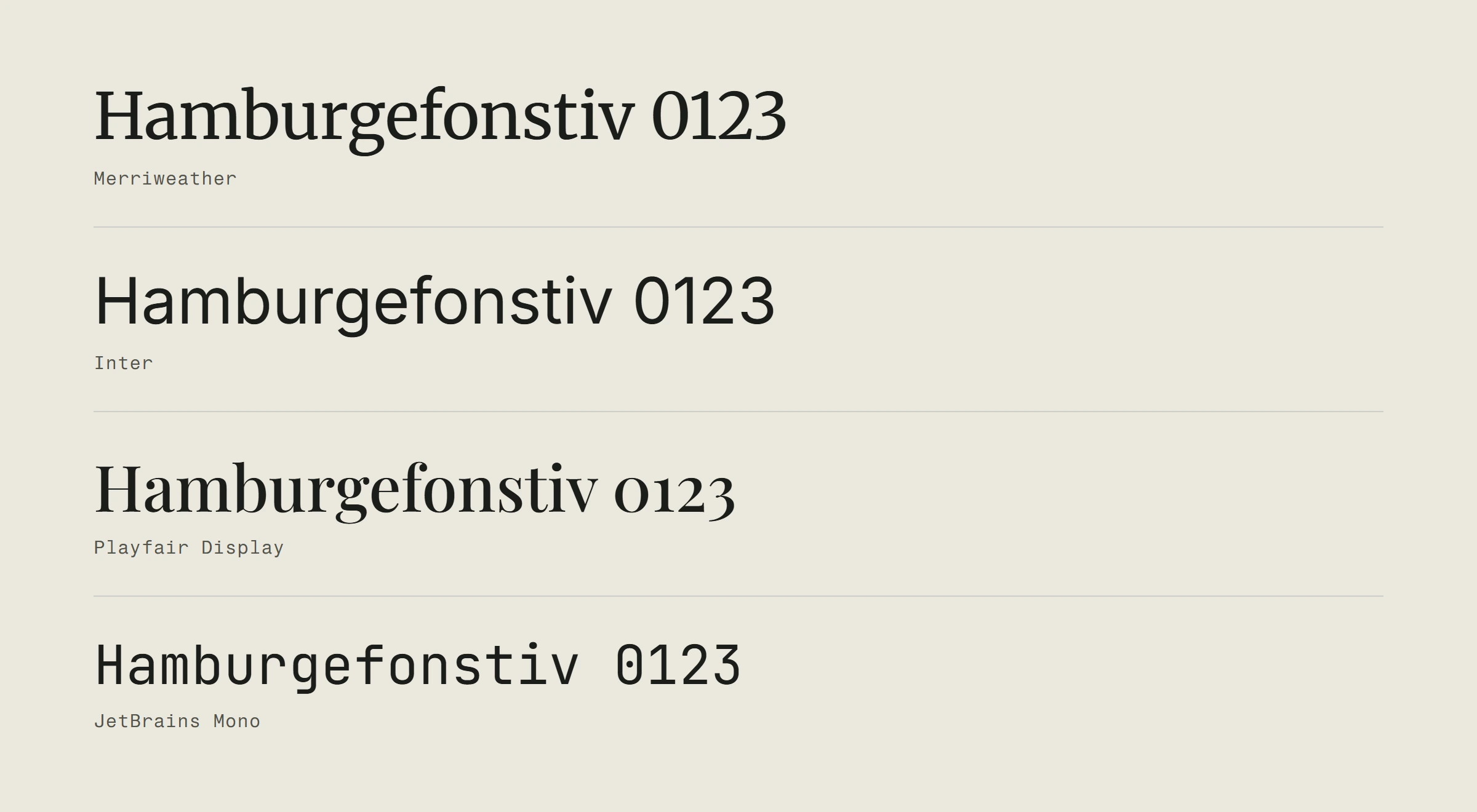
And on the web, fonts affect performance. Every custom font file adds to your page load time. Choose wisely and optimize aggressively. Our guide on choosing the right font covers this in detail.
Photography and imagery style
Define the look of your images. Are they bright and airy or dark and moody? Do you use illustrations or photography? Is there a consistent filter or treatment?
This might seem like a small detail, but scroll through any strong brand's Instagram or website. The visual consistency is what makes it feel like a brand instead of a random collection of posts.
Step 3: Create brand guidelines
You have the strategy. You have the visual identity. Now document it so that every person, tool, and platform that touches your brand applies it correctly.
Brand guidelines do not need to be a 50-page PDF. For most small businesses, a simple document covering these elements is enough:
- Logo usage rules (spacing, minimum size, what not to do)
- Color palette with exact codes (hex, RGB, CMYK)
- Font choices and usage hierarchy
- Tone of voice with examples
- Photography style notes
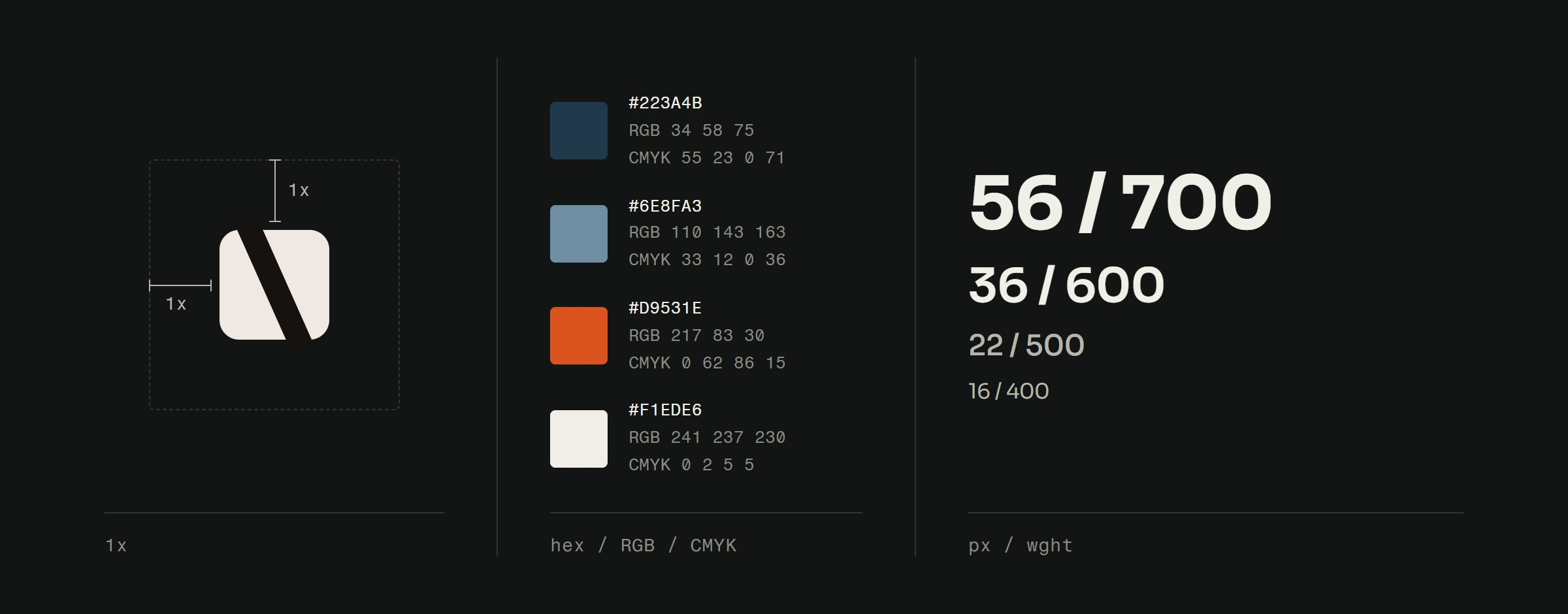
This document saves you from the slow erosion of brand consistency that happens when different people make different decisions over time.
Step 4: Make your website the center of everything
Your website is the one place where you fully control the experience. Social media is rented space. Your website is owned property. And it should be the purest expression of your brand.
That means your website is not just a collection of pages. It is a brand experience. Every color choice, every font pairing, every piece of copy, every interaction should feel intentional. A visitor should land on your site and immediately sense a personality behind it.
A generic template does not do this. A custom-designed website that is built from your brand strategy does. This is where all the work you did in the previous steps pays off.
Step 5: Be consistent. Then be more consistent.
Consistency is the most boring part of branding. It is also the most important.
Every time someone encounters your brand and it looks or sounds different from the last time, trust erodes a tiny bit. Do that enough times and people stop feeling sure about who you are.
Use the same fonts everywhere. The same colors. The same voice. The same style of imagery. Whether it is your website, your email newsletter, your invoice, or your proposal document. Everything should feel like it came from the same place.
This does not mean everything looks identical. It means everything feels connected. There is a family resemblance across every touchpoint.
How to know if it is working
Branding results are slower than ad campaigns. You will not see a spike in your dashboard next week. But over time, there are clear signals:
People recognize you. New clients say "I've seen you around" or "someone mentioned you." That is brand awareness working.
You attract better-fit clients. When your brand is clear, it repels the wrong people and attracts the right ones. If you start hearing "your website is exactly what I was looking for," the brand is doing its job.
You can charge more. Strong brands command premium pricing. People pay more for a brand they trust than for an unknown commodity. That is just how markets work.
Your website metrics improve. Higher time on site, lower bounce rate, more pages per session. These signals tell you that people are connecting with what they find.
The shortcut that does not exist
There is no shortcut to building a real brand. No logo generator, no template, no weekend workshop will give you what intentional brand building produces over time.
But the businesses that do this work, that take the time to define who they are and then show up consistently, are the ones that get remembered. They are the ones that do not have to compete on price. They are the ones that turn first-time visitors into loyal customers.
Branding is not a project you finish. It is a practice you maintain. Start with strategy, build it into your website, and stay consistent. The rest follows.
Ready to build a brand that lives online? Start with a website that matches your ambition and everything else gets easier.