
Most websites don't have an SEO strategy. They have a collection of random tactics someone read about once. A meta description here. A blog post there. Maybe some keywords stuffed into a homepage.
That doesn't work. What works is a systematic approach across four areas: on-page, technical, off-page, and local SEO. Each one builds on the others. Skip one, and the rest underperform.
Here's how to approach each area with actual specifics, not vague advice.
On-page SEO: What's on your pages
On-page SEO is everything visitors and search engines can see on your site. It's the foundation everything else sits on.
Content quality comes first. Google's helpful content system specifically targets pages written primarily for search engines rather than people. If your content doesn't answer a real question or solve a real problem, no amount of keyword optimization will save it.
Here's what good on-page SEO looks like in practice:
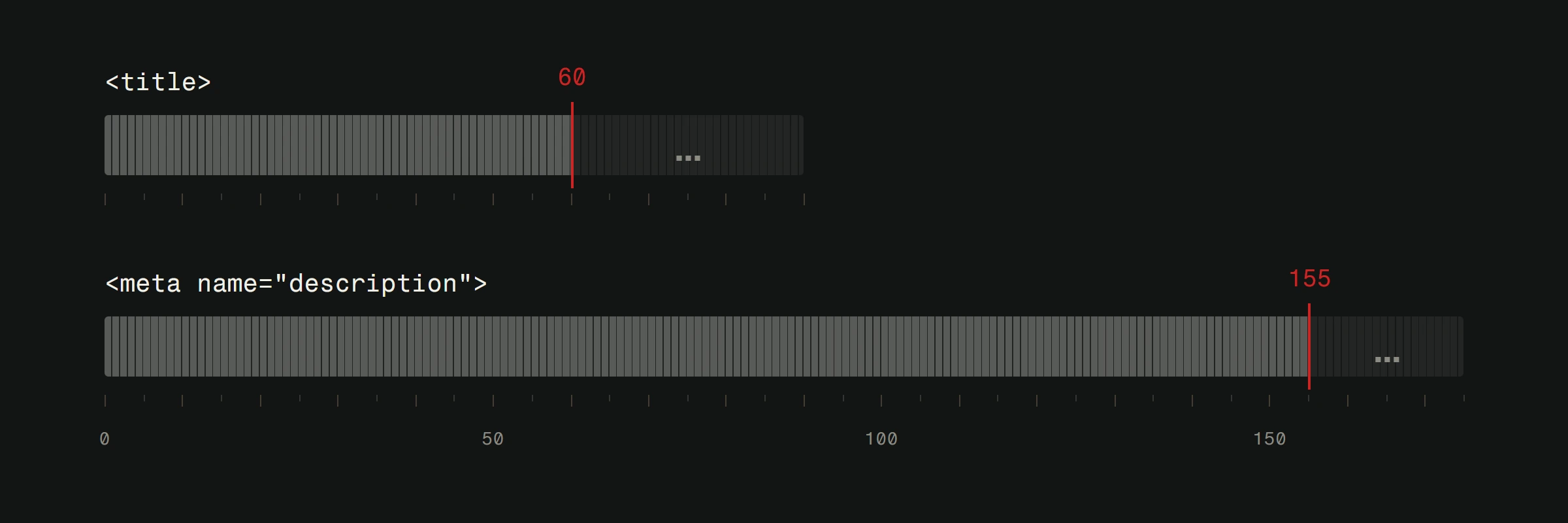
- Title tags: Include your primary keyword near the beginning. Keep titles under 60 characters. Make them click-worthy, not keyword-stuffed.
- Meta descriptions: These don't directly affect rankings, but they affect click-through rates. Write them like ad copy. Around 155 characters. Include a reason to click.
- Header structure: Use H1 for the main topic (one per page). H2s for major sections. H3s for subsections. This isn't just for SEO. It helps users scan your content.
- Keyword placement: Primary keyword in the title, first paragraph, and a few H2s. Related terms throughout the content. Natural language, not forced repetition.
- Internal linking: Link to relevant pages on your own site. This helps Google understand your site structure and distributes ranking authority between pages.
One thing people overlook: content length. There's no magic word count. But for competitive topics, thin content won't cut it. Look at what's ranking for your target keyword. If the top results are 2,000-word guides, your 300-word page isn't going to compete.
Technical SEO: What's under the hood
You can have great content and still rank poorly if search engines can't properly crawl and index your site. Technical SEO fixes that.
Start with these essentials:
Site speed matters more than you think. Google has confirmed page speed as a ranking factor. Users confirm it with their behavior. Every additional second of load time increases bounce rates. Use Google PageSpeed Insights to identify specific issues.
Practical speed fixes include compressing images to WebP format, minifying CSS and JavaScript, using a CDN, and implementing browser caching. For a detailed walkthrough, check our guide on optimizing website speed.
Mobile responsiveness is mandatory. Google uses mobile-first indexing. Your site's mobile version is what gets evaluated. Test with Lighthouse (Google retired the standalone Mobile-Friendly Test in December 2023). Check every page type, not just the homepage.
Crawlability basics:
- Submit an XML sitemap through Google Search Console.
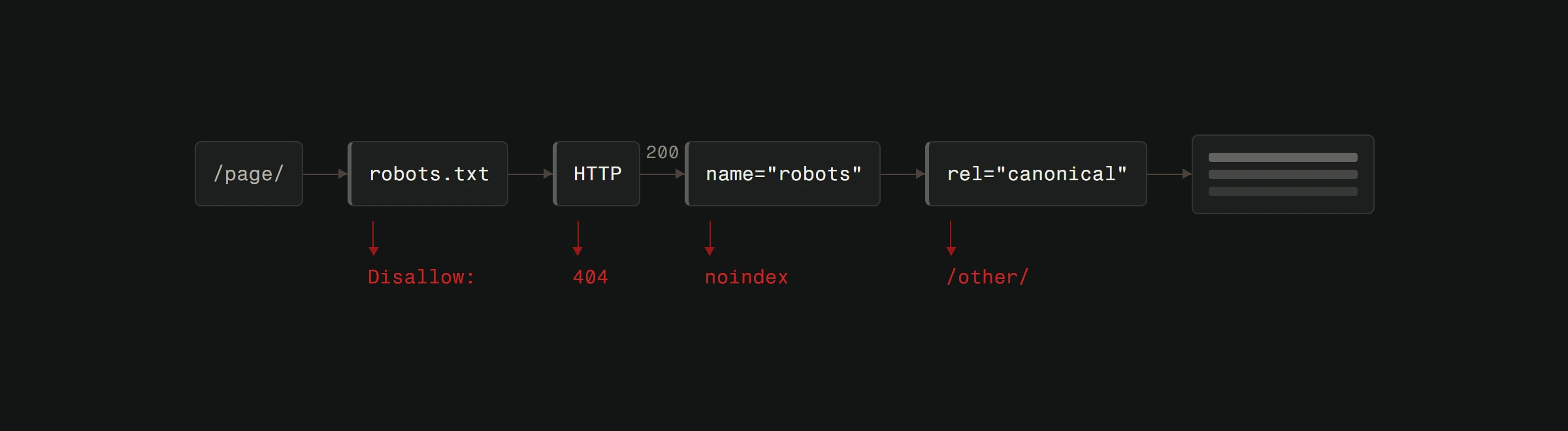
- Check your robots.txt file. Make sure you're not accidentally blocking important pages.
- Fix broken links. Use Screaming Frog or Ahrefs Site Audit to find them.
- Implement proper canonical tags to avoid duplicate content issues.
Structured data (schema markup) helps Google understand what your content is about. Add Organization schema to your homepage, Article schema to blog posts, LocalBusiness schema if you serve a geographic area. Test with Google's Rich Results Test.
Off-page SEO: Your reputation online
Off-page SEO is how the rest of the internet perceives your site. The primary signal here is backlinks.
Not all links are created equal. One link from a respected industry publication is worth more than a hundred links from random directories. Quality over quantity. Always.
How to earn quality backlinks:
- Create content worth linking to. Original research, comprehensive guides, useful tools. Content that makes other writers think "I should reference this."
- Guest posting on relevant industry sites. Write something genuinely useful for their audience, not a thinly veiled advertisement.
- Digital PR. If your business does something noteworthy, make sure journalists and bloggers know about it.
- Fix broken links. Find broken outbound links on relevant sites and suggest your content as a replacement. Tools like Ahrefs make this easy.
For more strategies, read our guide on how to get more backlinks.
What to avoid: Buying links, link farms, private blog networks (PBNs), and reciprocal link schemes. Google is very good at detecting these. The penalty isn't worth the shortcut.
Local SEO: Getting found nearby
If your business serves customers in a specific area, local SEO is where you'll see the fastest return on effort.
Google Business Profile is your starting point. Claim it. Fill out every field. Add photos. Post updates regularly. Respond to every review, positive and negative.
Here's what moves the needle for local rankings:
- NAP consistency: Your Name, Address, and Phone number must be identical everywhere it appears online. Google My Business, your website footer, directory listings, social profiles. Inconsistencies confuse Google and hurt rankings.
- Local keywords: Include your city and region in title tags, content, and meta descriptions where it's natural. "Web design Zadar" not just "web design."
- Reviews: Ask happy customers to leave Google reviews. The number, recency, and quality of reviews directly affect local rankings.
- Local backlinks: Links from local news sites, chambers of commerce, business directories, and community organizations carry extra weight for local SEO.
For a deeper dive into local strategy, check our local SEO guide.
Putting it all together
SEO isn't a one-time project. It's ongoing maintenance and improvement. Here's a realistic priority order:
- Fix technical issues first. If Google can't crawl your site properly, nothing else matters.
- Optimize your most important pages. Homepage, service pages, top blog posts.
- Build a content strategy around topics your audience actually searches for.
- Earn backlinks through quality content and outreach.
- Keep your Google Business Profile active if you serve local customers.
Measure everything. Google Search Console shows which queries bring traffic, which pages perform best, and where technical issues exist. Check it weekly.
The sites that win at SEO are the ones that treat it as a continuous process, not a checkbox.
Want a clear picture of where your site stands and what to fix first? Request a free website analysis.